

Give the Gift of Choice!
Too many options? Treat your friends and family to their favourite stores with a Bayshore Shopping Centre gift card, redeemable at participating retailers throughout the centre. Click below to purchase yours today!Purchase HereHome
Pan-Nationalism as a Category Theory and Practice
Coles
Loading Inventory...
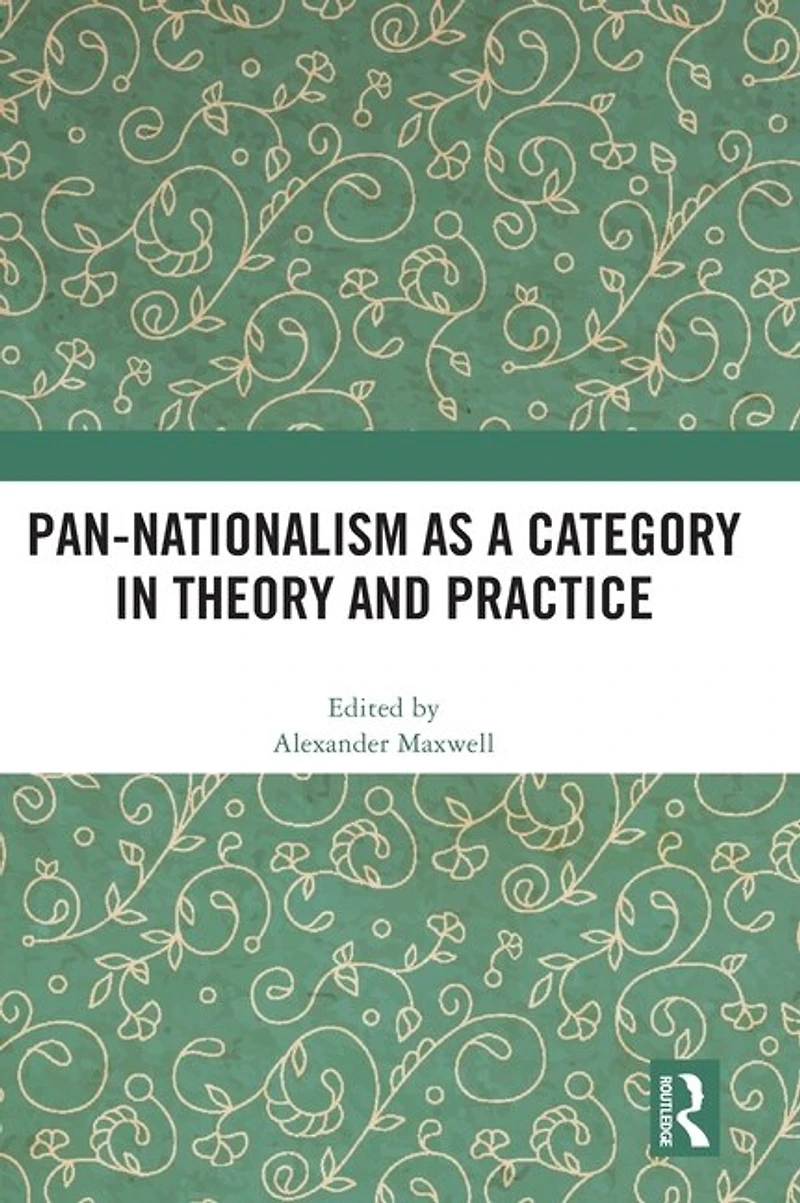

Pan-Nationalism as a Category Theory and Practice in Ottawa, ON
Current price: $281.50

Pan-Nationalism as a Category Theory and Practice in Ottawa, ON
Current price: $281.50
Loading Inventory...
Size: Hardcover
*Product information may vary - to confirm product availability, pricing, shipping and return information please contact Coles
How is pan-nationalism different from other forms of nationalism? This book explores the diversity of pan-nationalism in both theory and practice. Drawing on Rogers Brubaker, the book introduces "pan-nationalism" as a category of practice. It shows that pan-nationalism implied transcending political frontiers, intermittently possessed a pejorative subtext, and differed from unmodified "nationalism" partly due to a retroactively applied success/failure criterion. Pan-nationalists always look across political frontiers, but do not always want a single pan-national state. The book explores the diversity of pan-nationalism through case studies and a selection of pan-national movements such as: Habsburg pan-Slavism from both the Slavic and Hungarian perspective, pan-Saxonism in Europe and North America, pan-Ethiopianism and pan-Somalism in the horn of Africa, and pan-Hinduism online. The book will be of interest to students and researchers of politics including comparative politics, various forms of nationalism and history. The chapters in this book were originally published as a special issue of Nationalism and Ethnic Politics.
How is pan-nationalism different from other forms of nationalism? This book explores the diversity of pan-nationalism in both theory and practice. Drawing on Rogers Brubaker, the book introduces "pan-nationalism" as a category of practice. It shows that pan-nationalism implied transcending political frontiers, intermittently possessed a pejorative subtext, and differed from unmodified "nationalism" partly due to a retroactively applied success/failure criterion. Pan-nationalists always look across political frontiers, but do not always want a single pan-national state. The book explores the diversity of pan-nationalism through case studies and a selection of pan-national movements such as: Habsburg pan-Slavism from both the Slavic and Hungarian perspective, pan-Saxonism in Europe and North America, pan-Ethiopianism and pan-Somalism in the horn of Africa, and pan-Hinduism online. The book will be of interest to students and researchers of politics including comparative politics, various forms of nationalism and history. The chapters in this book were originally published as a special issue of Nationalism and Ethnic Politics.
You May Also Like














More About Coles at Bayshore Shopping Centre
Coles is renowned for its outstanding customer service and great selection of books. Along with the vast array of magazines, stationary, audio-books, children's literature, fiction, non-fiction and reference books, you can find accessories to make your reading experience more pleasurable. We can recommend the very best in reading today. We will help you search our titles for exactly what you need, and if we do not have it in stock, we will order it for you.
100 Bayshore Dr, Nepean, ON K2B 8C1, Canada
Find Coles at Bayshore Shopping Centre in Ottawa, ON
Visit Coles at Bayshore Shopping Centre in Ottawa, ON