

Give the Gift of Choice!
Too many options? Treat your friends and family to their favourite stores with a Bayshore Shopping Centre gift card, redeemable at participating retailers throughout the centre. Click below to purchase yours today!Purchase HereHome
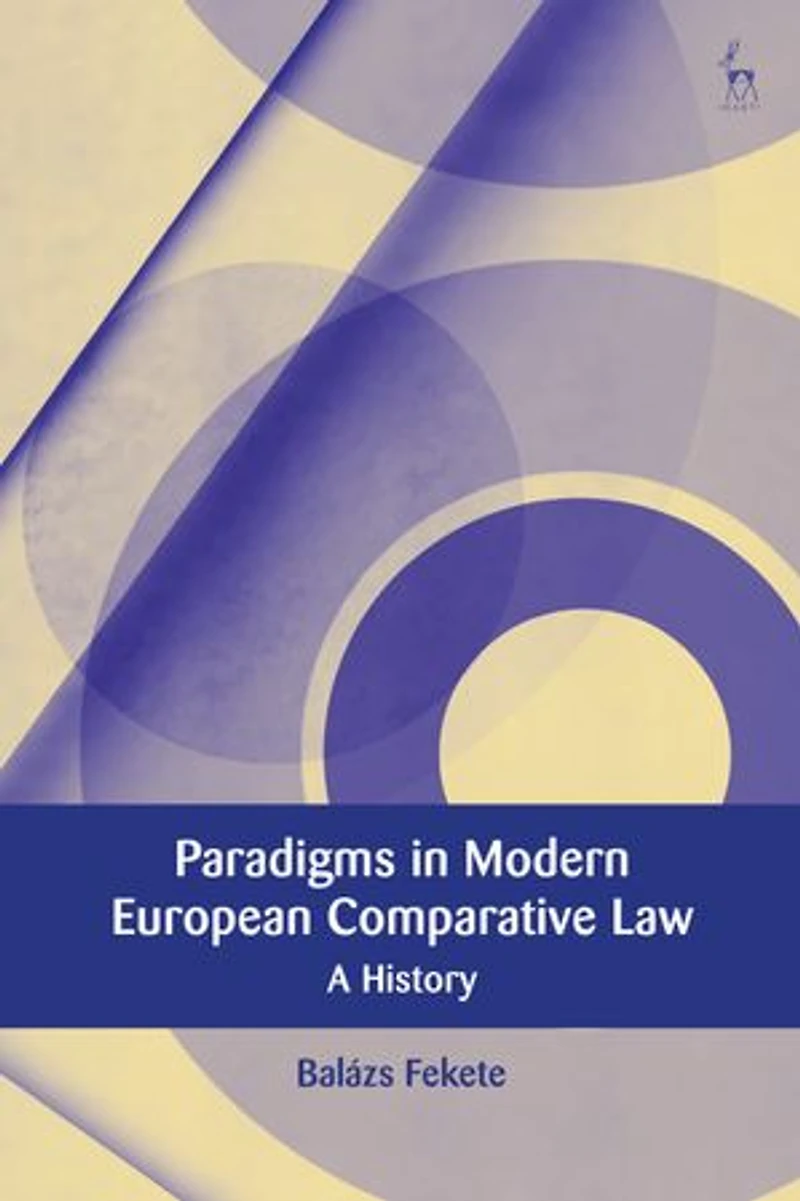
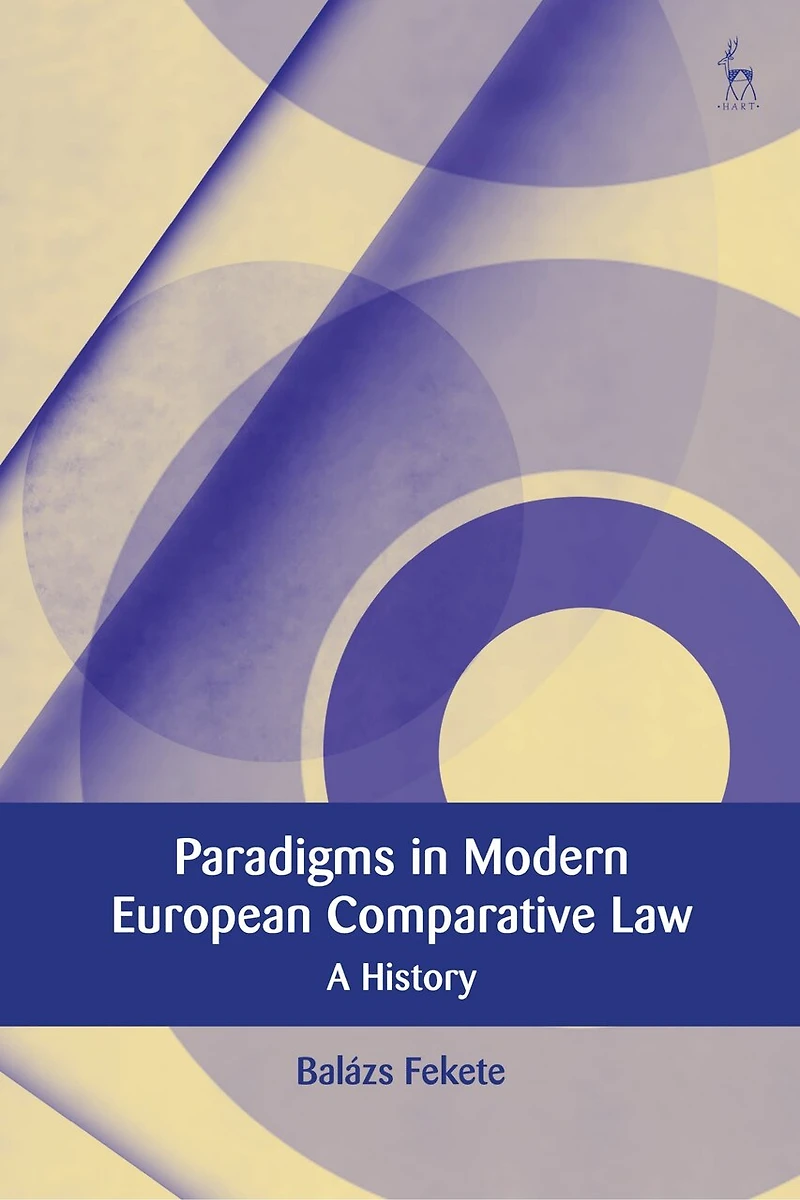
Paradigms Modern European Comparative Law: A History
Coles
Loading Inventory...
Paradigms Modern European Comparative Law: A History in Ottawa, ON
Current price: $54.69
Original price: $68.35

Paradigms Modern European Comparative Law: A History in Ottawa, ON
Current price: $54.69
Original price: $68.35
Loading Inventory...
Size: Kobo eBook
*Product information may vary - to confirm product availability, pricing, shipping and return information please contact Coles
This book uses the philosophy of Thomas Kuhn to provide a new vision of the development of European comparative law that will challenge and inspire scholars in the field. With the 'empathic' use of some ideas from Kuhn's theories on the history of science - paradigm, paradigm-shift, puzzle-solving research and incommensurability - the book rethinks the modern history of European comparative law from the late 19th century to the modern day. It argues that three major paradigms determine modern comparative law: - historical and comparative jurisprudence, - droit comparé , and - post-World War II comparative law. It concludes that contemporary methodological trends are not signs of a paradigm-shift toward a postmodern and culturalist understanding of comparative law, but that the new approach spreads the idea of methodological plurality.
This book uses the philosophy of Thomas Kuhn to provide a new vision of the development of European comparative law that will challenge and inspire scholars in the field. With the 'empathic' use of some ideas from Kuhn's theories on the history of science - paradigm, paradigm-shift, puzzle-solving research and incommensurability - the book rethinks the modern history of European comparative law from the late 19th century to the modern day. It argues that three major paradigms determine modern comparative law: - historical and comparative jurisprudence, - droit comparé , and - post-World War II comparative law. It concludes that contemporary methodological trends are not signs of a paradigm-shift toward a postmodern and culturalist understanding of comparative law, but that the new approach spreads the idea of methodological plurality.
You May Also Like











More About Coles at Bayshore Shopping Centre
Coles is renowned for its outstanding customer service and great selection of books. Along with the vast array of magazines, stationary, audio-books, children's literature, fiction, non-fiction and reference books, you can find accessories to make your reading experience more pleasurable. We can recommend the very best in reading today. We will help you search our titles for exactly what you need, and if we do not have it in stock, we will order it for you.
100 Bayshore Dr, Nepean, ON K2B 8C1, Canada
Find Coles at Bayshore Shopping Centre in Ottawa, ON
Visit Coles at Bayshore Shopping Centre in Ottawa, ON