

Give the Gift of Choice!
Too many options? Treat your friends and family to their favourite stores with a Bayshore Shopping Centre gift card, redeemable at participating retailers throughout the centre. Click below to purchase yours today!Purchase HereHome
Paradise Lost
Coles
Loading Inventory...
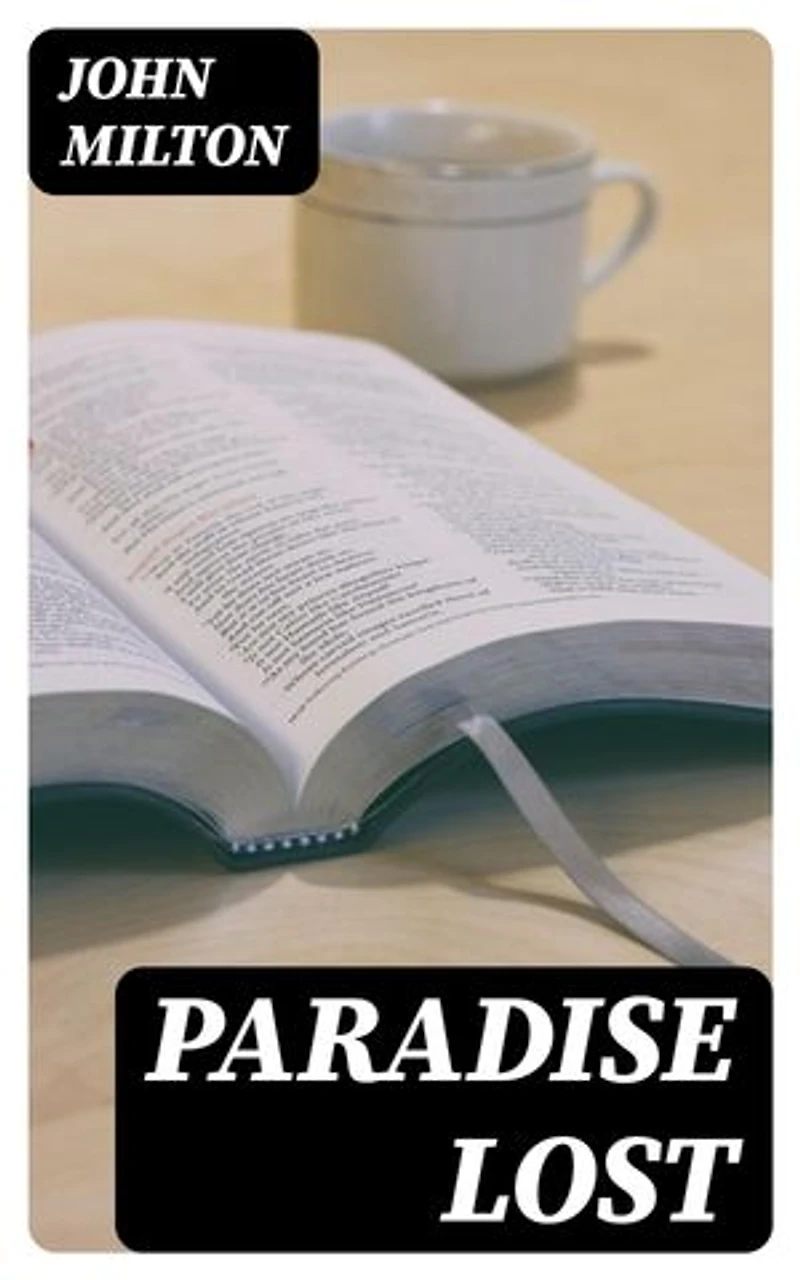
Paradise Lost in Ottawa, ON
Current price: $2.99

Paradise Lost in Ottawa, ON
Current price: $2.99
Loading Inventory...
Size: Kobo eBook
*Product information may vary - to confirm product availability, pricing, shipping and return information please contact Coles
John Milton's "Paradise Lost" is an epic poem that meticulously explores the biblical story of the Fall of Man, blending classical literary techniques with profound theological inquiry. Composed in blank verse, this monumental work unfolds through a grand narrative that delves into themes of free will, obedience, and the struggle between good and evil. Rich in allegory and symbolism, Milton employs vivid characterizations of iconic figures such as Satan, Adam, and Eve to convey the complexities of human nature and divine justice, thereby situating his work in the context of the Renaissance's burgeoning interest in individual agency and moral philosophy. John Milton, a prolific writer and staunch advocate for personal liberties, drew from his own experiences of political upheaval and religious turbulence in 17th-century England. Influenced by the Civil War and his subsequent loss of sight, Milton's fervent belief in the role of divine providence and human choice informs the narrative structure and moral underpinnings of "Paradise Lost." His background as a scholar and his deep engagement with both classical and biblical texts lend the poem an intellectual depth that reflects the era's cumulative knowledge. "Paradise Lost" is a must-read for those seeking to encounter a profound meditation on existential questions that resonate throughout time. Milton's deft intertwining of poetic mastery and philosophical inquiry invites readers to reflect on their own beliefs and the human condition, offering a rich tapestry of language and thought that continues to inspire readers, scholars, and theologians alike.
John Milton's "Paradise Lost" is an epic poem that meticulously explores the biblical story of the Fall of Man, blending classical literary techniques with profound theological inquiry. Composed in blank verse, this monumental work unfolds through a grand narrative that delves into themes of free will, obedience, and the struggle between good and evil. Rich in allegory and symbolism, Milton employs vivid characterizations of iconic figures such as Satan, Adam, and Eve to convey the complexities of human nature and divine justice, thereby situating his work in the context of the Renaissance's burgeoning interest in individual agency and moral philosophy. John Milton, a prolific writer and staunch advocate for personal liberties, drew from his own experiences of political upheaval and religious turbulence in 17th-century England. Influenced by the Civil War and his subsequent loss of sight, Milton's fervent belief in the role of divine providence and human choice informs the narrative structure and moral underpinnings of "Paradise Lost." His background as a scholar and his deep engagement with both classical and biblical texts lend the poem an intellectual depth that reflects the era's cumulative knowledge. "Paradise Lost" is a must-read for those seeking to encounter a profound meditation on existential questions that resonate throughout time. Milton's deft intertwining of poetic mastery and philosophical inquiry invites readers to reflect on their own beliefs and the human condition, offering a rich tapestry of language and thought that continues to inspire readers, scholars, and theologians alike.
You May Also Like







More About Coles at Bayshore Shopping Centre
Coles is renowned for its outstanding customer service and great selection of books. Along with the vast array of magazines, stationary, audio-books, children's literature, fiction, non-fiction and reference books, you can find accessories to make your reading experience more pleasurable. We can recommend the very best in reading today. We will help you search our titles for exactly what you need, and if we do not have it in stock, we will order it for you.
100 Bayshore Dr, Nepean, ON K2B 8C1, Canada
Find Coles at Bayshore Shopping Centre in Ottawa, ON
Visit Coles at Bayshore Shopping Centre in Ottawa, ON