

Give the Gift of Choice!
Too many options? Treat your friends and family to their favourite stores with a Bayshore Shopping Centre gift card, redeemable at participating retailers throughout the centre. Click below to purchase yours today!Purchase HereHome
Paradoxes of Media and Information Literacy: The Crisis
Coles
Loading Inventory...
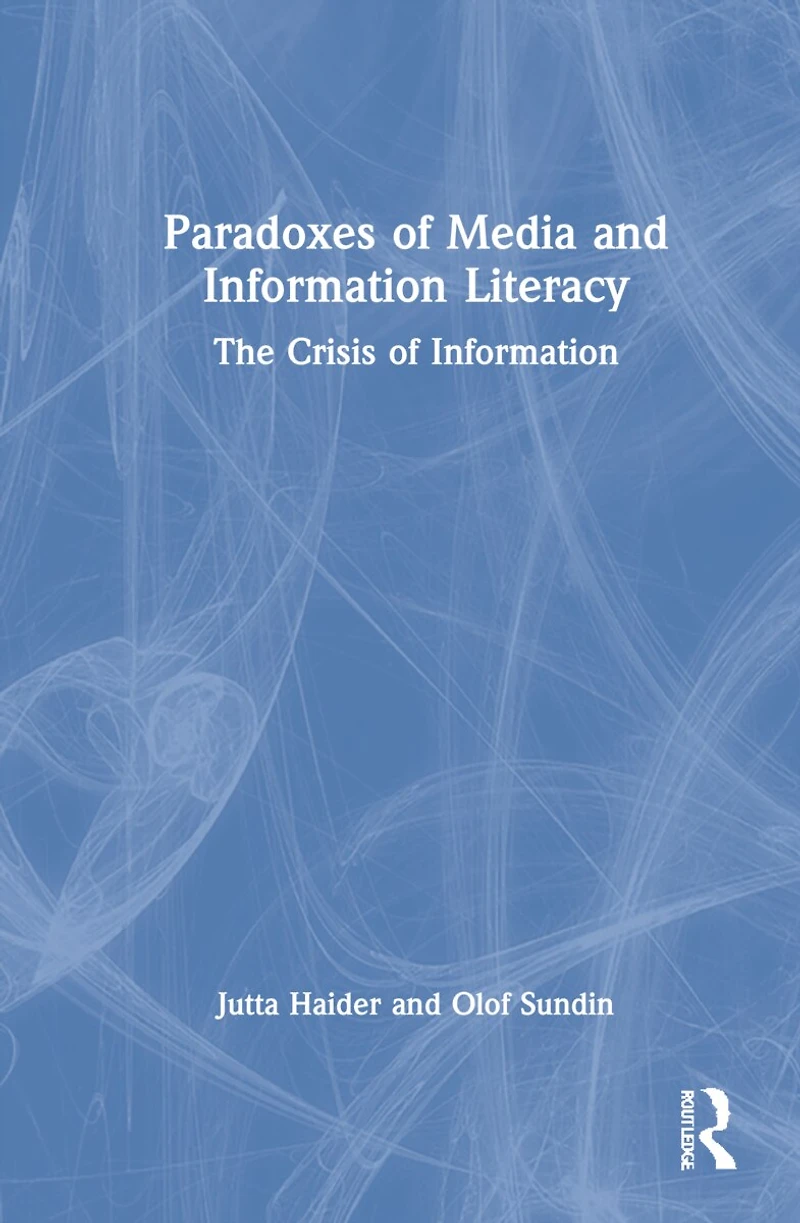
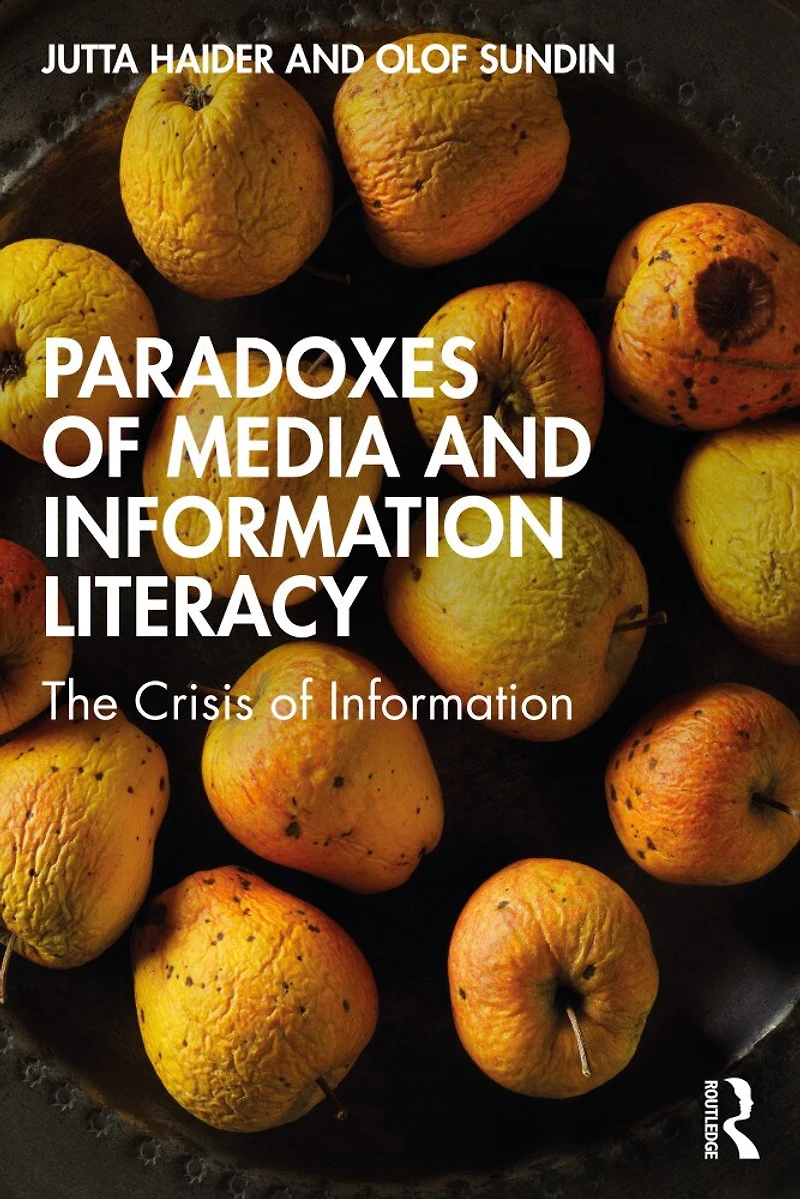
Paradoxes of Media and Information Literacy: The Crisis in Ottawa, ON
Current price: $296.50

Paradoxes of Media and Information Literacy: The Crisis in Ottawa, ON
Current price: $296.50
Loading Inventory...
Size: Hardcover
*Product information may vary - to confirm product availability, pricing, shipping and return information please contact Coles
Paradoxes of Media and Information Literacy contributes to ongoing conversations about control of knowledge and different ways of knowing. It does so by analysing why media and information literacy (MIL) is proposed as a solution for addressing the current information crisis. Questioning why MIL is commonly believed to wield such power, the book throws into sharp relief several paradoxes that are built into common understandings of such literacies. Haider and Sundin take the reader on a journey across different fields of practice, research and policymaking, including librarianship, information studies, teaching and journalism, media and communication and the educational sciences. The authors also consider national information policy proposals and the recommendations of NGOs or international bodies, such as UNESCO and the OECD. Showing that MIL plays an active role in contemporary controversies, such as those on climate change or vaccination, Haider and Sundin argue that such controversies challenge existing notions of fact and ignorance, trust and doubt, and our understanding of information access and information control. The book thus argues for the need to unpack and understand the contradictions forming around these notions in relation to MIL, rather than attempting to arrive at a single, comprehensive definition. Paradoxes of Media and Information Literacy combines careful analytical and conceptual discussions with an in-depth understanding of information practices and of the contemporary information infrastructure. It is essential reading for scholars and students engaged in library and information studies, media and communication, journalism studies and the educational sciences.
Paradoxes of Media and Information Literacy contributes to ongoing conversations about control of knowledge and different ways of knowing. It does so by analysing why media and information literacy (MIL) is proposed as a solution for addressing the current information crisis. Questioning why MIL is commonly believed to wield such power, the book throws into sharp relief several paradoxes that are built into common understandings of such literacies. Haider and Sundin take the reader on a journey across different fields of practice, research and policymaking, including librarianship, information studies, teaching and journalism, media and communication and the educational sciences. The authors also consider national information policy proposals and the recommendations of NGOs or international bodies, such as UNESCO and the OECD. Showing that MIL plays an active role in contemporary controversies, such as those on climate change or vaccination, Haider and Sundin argue that such controversies challenge existing notions of fact and ignorance, trust and doubt, and our understanding of information access and information control. The book thus argues for the need to unpack and understand the contradictions forming around these notions in relation to MIL, rather than attempting to arrive at a single, comprehensive definition. Paradoxes of Media and Information Literacy combines careful analytical and conceptual discussions with an in-depth understanding of information practices and of the contemporary information infrastructure. It is essential reading for scholars and students engaged in library and information studies, media and communication, journalism studies and the educational sciences.
You May Also Like







More About Coles at Bayshore Shopping Centre
Coles is renowned for its outstanding customer service and great selection of books. Along with the vast array of magazines, stationary, audio-books, children's literature, fiction, non-fiction and reference books, you can find accessories to make your reading experience more pleasurable. We can recommend the very best in reading today. We will help you search our titles for exactly what you need, and if we do not have it in stock, we will order it for you.
100 Bayshore Dr, Nepean, ON K2B 8C1, Canada
Find Coles at Bayshore Shopping Centre in Ottawa, ON
Visit Coles at Bayshore Shopping Centre in Ottawa, ON