

Give the Gift of Choice!
Too many options? Treat your friends and family to their favourite stores with a Bayshore Shopping Centre gift card, redeemable at participating retailers throughout the centre. Click below to purchase yours today!Purchase HereHome
Paratextuality Anglophone and Hispanophone Poems the US Press, 1855–1901
Coles
Loading Inventory...
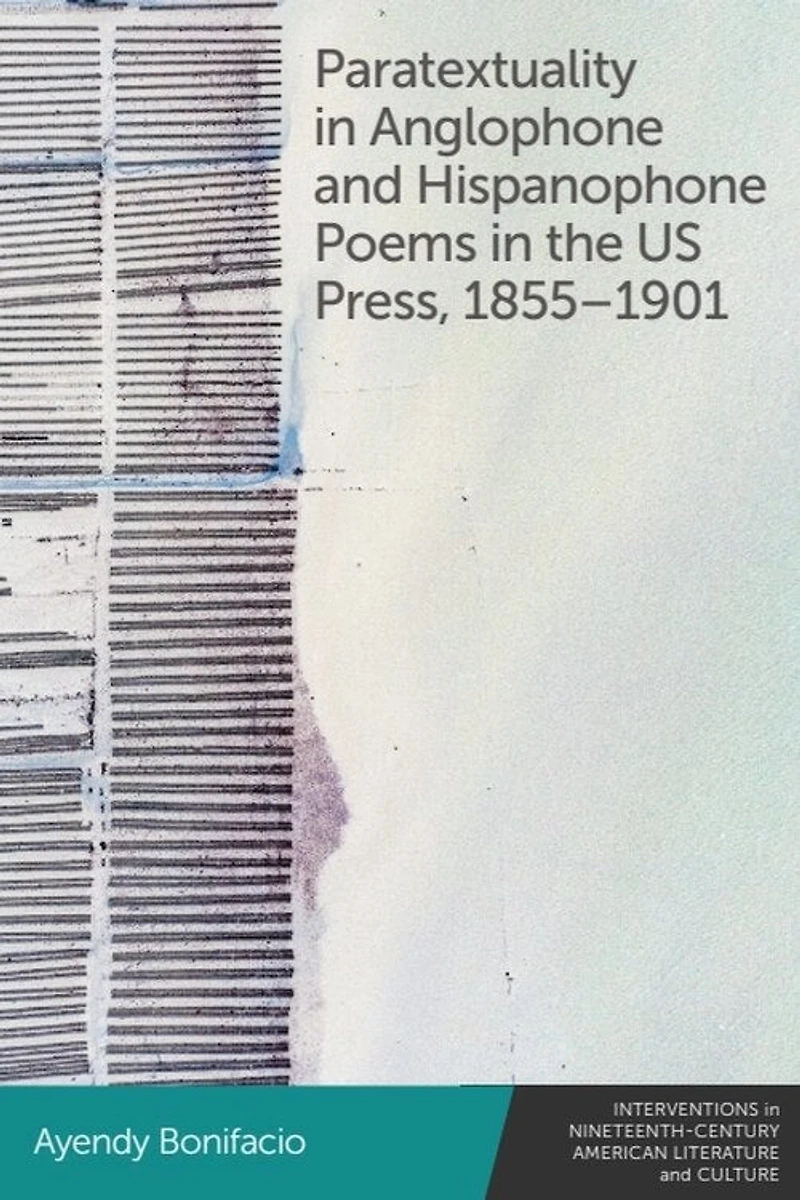
Paratextuality Anglophone and Hispanophone Poems the US Press, 1855–1901 in Ottawa, ON
Current price: $151.83

Paratextuality Anglophone and Hispanophone Poems the US Press, 1855–1901 in Ottawa, ON
Current price: $151.83
Loading Inventory...
Size: Hardcover
*Product information may vary - to confirm product availability, pricing, shipping and return information please contact Coles
Drawing examples from over 200 English-language and Spanish-language newspapers and periodicals published between January 1855 and October 1901, Paratextuality in Anglophone and Hispanophone Poems in the US Press, 1855–1901 argues that nineteenth-century newspaper poems are inherently paratextual. The paratextual situation of many newspaper poems (their links to surrounding textual items and discourses), their editorialisation through circulation (the way poems were altered from newspaper to newspaper) and their association and disassociation with certain celebrity bylines, editors and newspaper titles enabled contemporaneous poetic value and taste that, in the mid- to late-nineteenth century, were not only sentimental, Romantic and/or genteel. In addition to these important categories for determining a good and bad poem, poetic taste and value were determined, Bonifacio argues, via arbitrary consequences of circulation, paratextualisation, typesetter error and editorial convenience.
Drawing examples from over 200 English-language and Spanish-language newspapers and periodicals published between January 1855 and October 1901, Paratextuality in Anglophone and Hispanophone Poems in the US Press, 1855–1901 argues that nineteenth-century newspaper poems are inherently paratextual. The paratextual situation of many newspaper poems (their links to surrounding textual items and discourses), their editorialisation through circulation (the way poems were altered from newspaper to newspaper) and their association and disassociation with certain celebrity bylines, editors and newspaper titles enabled contemporaneous poetic value and taste that, in the mid- to late-nineteenth century, were not only sentimental, Romantic and/or genteel. In addition to these important categories for determining a good and bad poem, poetic taste and value were determined, Bonifacio argues, via arbitrary consequences of circulation, paratextualisation, typesetter error and editorial convenience.
You May Also Like









More About Coles at Bayshore Shopping Centre
Coles is renowned for its outstanding customer service and great selection of books. Along with the vast array of magazines, stationary, audio-books, children's literature, fiction, non-fiction and reference books, you can find accessories to make your reading experience more pleasurable. We can recommend the very best in reading today. We will help you search our titles for exactly what you need, and if we do not have it in stock, we will order it for you.
100 Bayshore Dr, Nepean, ON K2B 8C1, Canada
Find Coles at Bayshore Shopping Centre in Ottawa, ON
Visit Coles at Bayshore Shopping Centre in Ottawa, ON