

Give the Gift of Choice!
Too many options? Treat your friends and family to their favourite stores with a Bayshore Shopping Centre gift card, redeemable at participating retailers throughout the centre. Click below to purchase yours today!Purchase HereHome
Parenting Education in Indonesia: Review and Recommendations to Strengthen Programs and Systems
Coles
Loading Inventory...
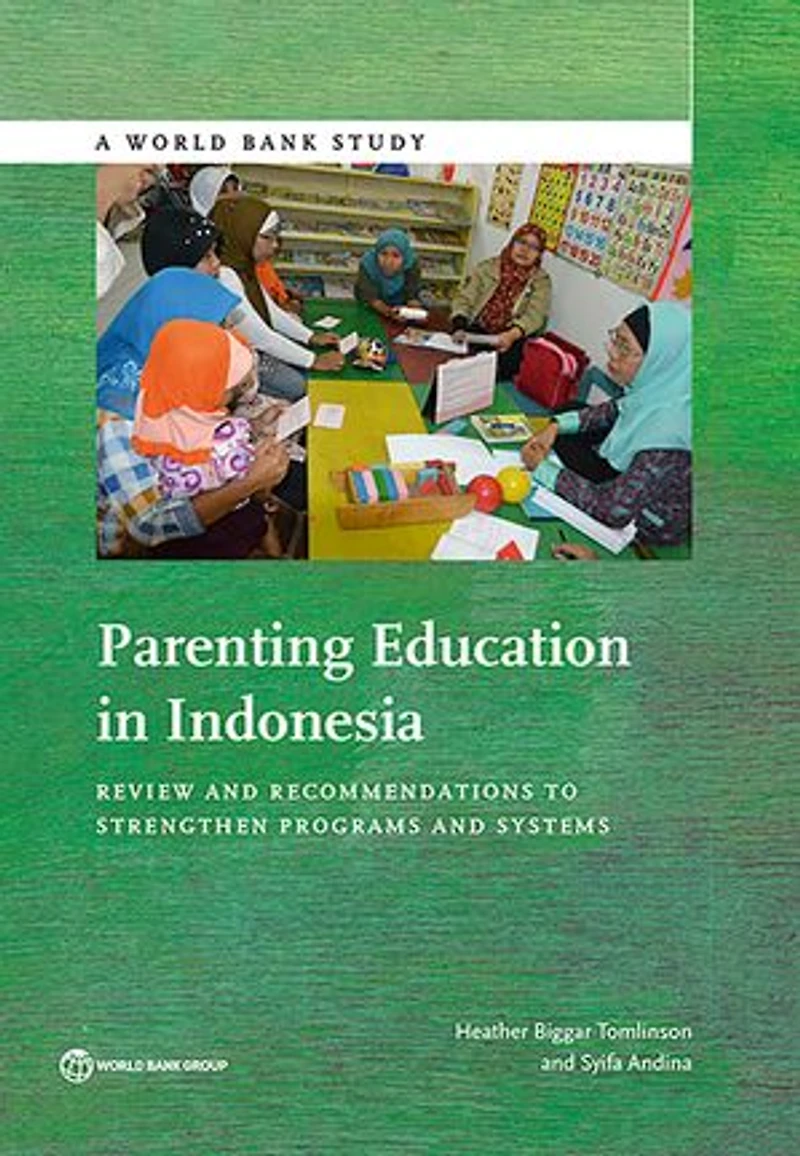
Parenting Education in Indonesia: Review and Recommendations to Strengthen Programs and Systems in Ottawa, ON
Current price: $32.99

Parenting Education in Indonesia: Review and Recommendations to Strengthen Programs and Systems in Ottawa, ON
Current price: $32.99
Loading Inventory...
Size: Kobo eBook
*Product information may vary - to confirm product availability, pricing, shipping and return information please contact Coles
There is a dynamic and growing energy in Indonesia focusing on parenting education, particularly for low-SES families. However, little is known about parenting styles and related outcomes, much less the coverage and effectiveness of various parenting education approaches. In 2013, the Government of Indonesia commissioned the World Bank to review existing programs and make recommendations to strengthen its parenting education system. This report synthesizes international research while providing detailed information on the seven agencies currently providing parenting education programs in Indonesia, collected from interviews, reports, and data presentations in 2013 and early 2014. Four government ministries and three non-governmental organizations currently offer programming: Ministry of Health, Ministry of Education and Culture, Ministry of Social Affairs, Family Planning Board, Plan, Save the Children, and World Vision. The report notes the commonalities in current program structures and approaches, then articulates recommendations to create a more cohesive and effective system with adequate coverage. In terms of content, authors recommend that providers choose a narrow and meaningful set of messages for respective programs, and enhance content for particularly vulnerable families, such as those with children with disabilities or dealing with chronic illness, natural disaster, conflict, and so forth. To strengthen program design and delivery, eight recommendations emerge, such as articulating measurable goals, ensuring active learning, encourage in-session practice, improving training and compensation for facilitators, and increasing the use of technology. The report includes a matrix of short-term (1-2 years) and medium-term (3-5 years) steps to build a coordinated system of parenting education that involves four areas of action: (1) create the framework; (2) develop an enabling environment; (3) conduct the research; and (4) implement and refine programming. Steps are both simultaneous and sequential and should lead to increased coverage and quality of programs within 5 years.
There is a dynamic and growing energy in Indonesia focusing on parenting education, particularly for low-SES families. However, little is known about parenting styles and related outcomes, much less the coverage and effectiveness of various parenting education approaches. In 2013, the Government of Indonesia commissioned the World Bank to review existing programs and make recommendations to strengthen its parenting education system. This report synthesizes international research while providing detailed information on the seven agencies currently providing parenting education programs in Indonesia, collected from interviews, reports, and data presentations in 2013 and early 2014. Four government ministries and three non-governmental organizations currently offer programming: Ministry of Health, Ministry of Education and Culture, Ministry of Social Affairs, Family Planning Board, Plan, Save the Children, and World Vision. The report notes the commonalities in current program structures and approaches, then articulates recommendations to create a more cohesive and effective system with adequate coverage. In terms of content, authors recommend that providers choose a narrow and meaningful set of messages for respective programs, and enhance content for particularly vulnerable families, such as those with children with disabilities or dealing with chronic illness, natural disaster, conflict, and so forth. To strengthen program design and delivery, eight recommendations emerge, such as articulating measurable goals, ensuring active learning, encourage in-session practice, improving training and compensation for facilitators, and increasing the use of technology. The report includes a matrix of short-term (1-2 years) and medium-term (3-5 years) steps to build a coordinated system of parenting education that involves four areas of action: (1) create the framework; (2) develop an enabling environment; (3) conduct the research; and (4) implement and refine programming. Steps are both simultaneous and sequential and should lead to increased coverage and quality of programs within 5 years.
You May Also Like










More About Coles at Bayshore Shopping Centre
Coles is renowned for its outstanding customer service and great selection of books. Along with the vast array of magazines, stationary, audio-books, children's literature, fiction, non-fiction and reference books, you can find accessories to make your reading experience more pleasurable. We can recommend the very best in reading today. We will help you search our titles for exactly what you need, and if we do not have it in stock, we will order it for you.
100 Bayshore Dr, Nepean, ON K2B 8C1, Canada
Find Coles at Bayshore Shopping Centre in Ottawa, ON
Visit Coles at Bayshore Shopping Centre in Ottawa, ON