

Give the Gift of Choice!
Too many options? Treat your friends and family to their favourite stores with a Bayshore Shopping Centre gift card, redeemable at participating retailers throughout the centre. Click below to purchase yours today!Purchase HereHome
Paris and the Commune 1871–78: The politics of forgetting
Coles
Loading Inventory...
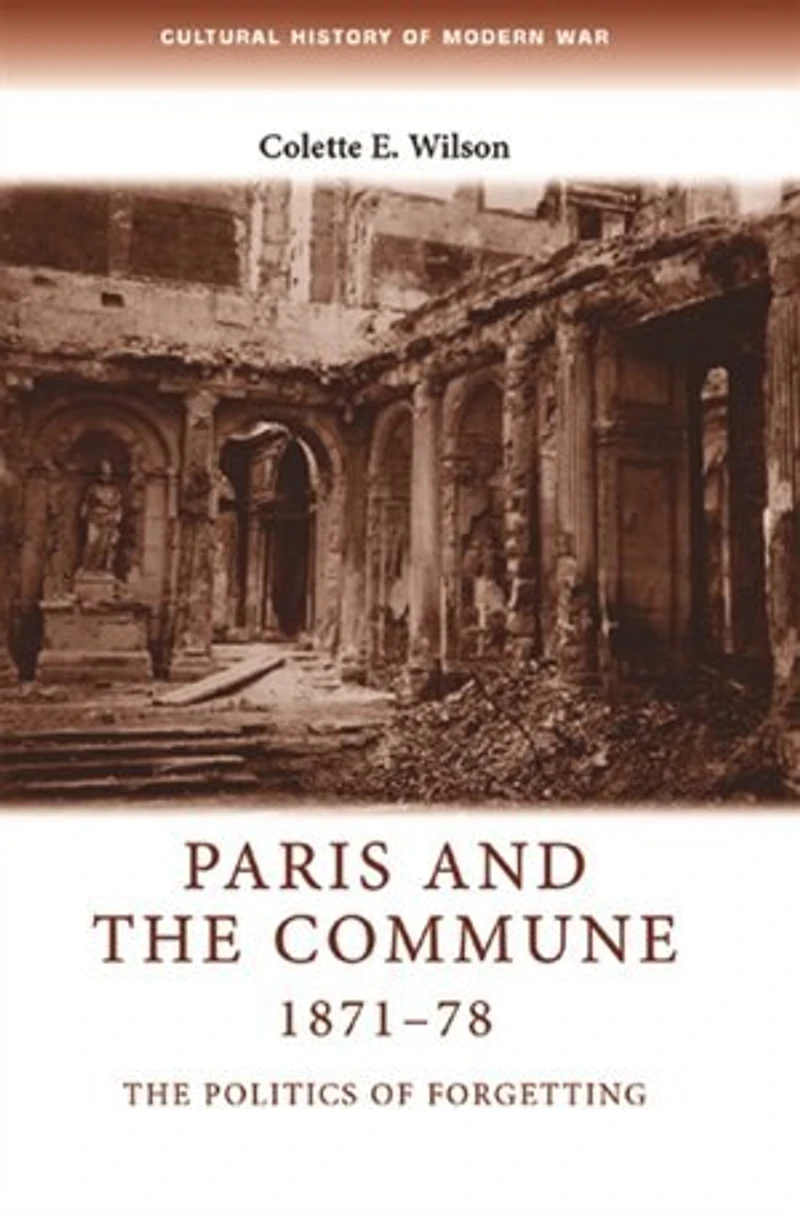
Paris and the Commune 1871–78: The politics of forgetting in Ottawa, ON
Current price: $49.99

Paris and the Commune 1871–78: The politics of forgetting in Ottawa, ON
Current price: $49.99
Loading Inventory...
Size: Paperback
*Product information may vary - to confirm product availability, pricing, shipping and return information please contact Coles
Despite the scholarship and political activism devoted to keeping the memory of the Paris Commune alive, there still remains much ignorance both in France and elsewhere, about the traumatic civil war of 1871; some 20,000 to 35,000 people were killed on the streets of Paris in just the final week of the conflict.
Colette Wilson identifies a critical blind-spot in French studies and employs new critical approaches to neglected texts, marginalised aspects of the illustrated press, early photography and a selection of novels by Emile Zola. This book will be of interest to students and academics studying France in the nineteenth century from a number of different perspectives war and revolution studies, cultural studies, history and cultural memory, literature, art history, photography, the illustrated press, city studies and human geography. The book will appeal equally to all lovers of Paris who wish to know and understand more about the city’s turbulent past.
Despite the scholarship and political activism devoted to keeping the memory of the Paris Commune alive, there still remains much ignorance both in France and elsewhere, about the traumatic civil war of 1871; some 20,000 to 35,000 people were killed on the streets of Paris in just the final week of the conflict.
Colette Wilson identifies a critical blind-spot in French studies and employs new critical approaches to neglected texts, marginalised aspects of the illustrated press, early photography and a selection of novels by Emile Zola. This book will be of interest to students and academics studying France in the nineteenth century from a number of different perspectives war and revolution studies, cultural studies, history and cultural memory, literature, art history, photography, the illustrated press, city studies and human geography. The book will appeal equally to all lovers of Paris who wish to know and understand more about the city’s turbulent past.











More About Coles at Bayshore Shopping Centre
Coles is renowned for its outstanding customer service and great selection of books. Along with the vast array of magazines, stationary, audio-books, children's literature, fiction, non-fiction and reference books, you can find accessories to make your reading experience more pleasurable. We can recommend the very best in reading today. We will help you search our titles for exactly what you need, and if we do not have it in stock, we will order it for you.
100 Bayshore Dr, Nepean, ON K2B 8C1, Canada
Find Coles at Bayshore Shopping Centre in Ottawa, ON
Visit Coles at Bayshore Shopping Centre in Ottawa, ON