

Give the Gift of Choice!
Too many options? Treat your friends and family to their favourite stores with a Bayshore Shopping Centre gift card, redeemable at participating retailers throughout the centre. Click below to purchase yours today!Purchase HereHome
Part Two: The Promised Land 2000BC to 1000BC
Coles
Loading Inventory...
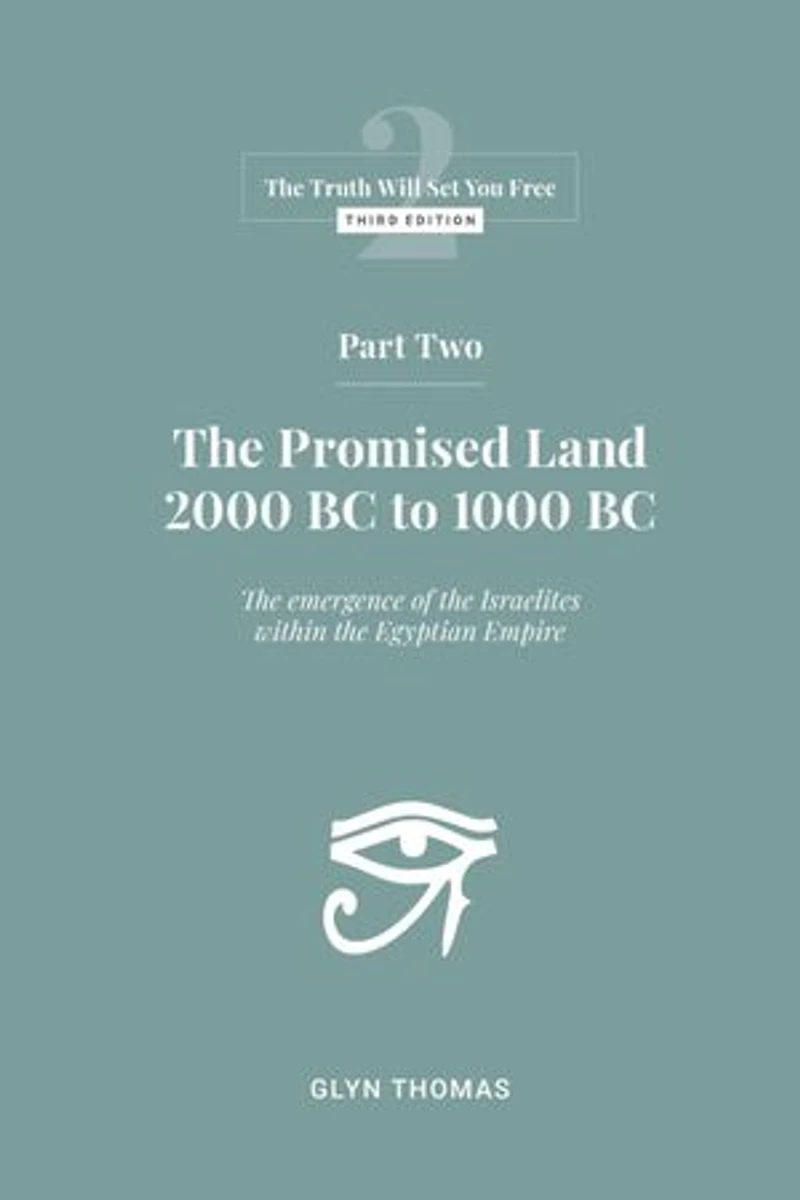
Part Two: The Promised Land 2000BC to 1000BC in Ottawa, ON
Current price: $6.29
Original price: $6.99

Part Two: The Promised Land 2000BC to 1000BC in Ottawa, ON
Current price: $6.29
Original price: $6.99
Loading Inventory...
Size: Kobo eBook
*Product information may vary - to confirm product availability, pricing, shipping and return information please contact Coles
The advent of printing in the 15th Century allowed common usage of the Bible, establishing its authority as the sole record of ancient history without competition from other sources for over 4 centuries. It was only in the 19th Century that we rediscovered how to understand ancient cuneiform and hieroglyphic texts from the Mesopotamian and Egyptian civilisations. Gradually, translations of ancient original texts dating back up to 5000 years, far earlier than any fragments of the Old Testament, revealed the muddled record of history contained in the Bible. This is hardly surprising as Hebrew writing emerged only to 1000BC, when adopting the Phoenician alphabet.
Perhaps surprisingly, even texts from the Monarchical period (1000BC to 597BC) generally appear to have been written, or at least heavily redacted, hundreds of years after the events recorded. Indeed, the bulk of the Old Testament scripture uses language and references clearly dating authorship to the time of the Exile (597BC to 538BC) or later.
When the priests in Babylon tried to craft the national foundation story from ancient oral traditions, they only had a hazy understanding of history and lacked any method of verification. In the Bible, the Exodus follows slavery under the Egyptians, but research for this book points to an Expulsion, followed later, by slavery under Egyptian rule.
The advent of printing in the 15th Century allowed common usage of the Bible, establishing its authority as the sole record of ancient history without competition from other sources for over 4 centuries. It was only in the 19th Century that we rediscovered how to understand ancient cuneiform and hieroglyphic texts from the Mesopotamian and Egyptian civilisations. Gradually, translations of ancient original texts dating back up to 5000 years, far earlier than any fragments of the Old Testament, revealed the muddled record of history contained in the Bible. This is hardly surprising as Hebrew writing emerged only to 1000BC, when adopting the Phoenician alphabet.
Perhaps surprisingly, even texts from the Monarchical period (1000BC to 597BC) generally appear to have been written, or at least heavily redacted, hundreds of years after the events recorded. Indeed, the bulk of the Old Testament scripture uses language and references clearly dating authorship to the time of the Exile (597BC to 538BC) or later.
When the priests in Babylon tried to craft the national foundation story from ancient oral traditions, they only had a hazy understanding of history and lacked any method of verification. In the Bible, the Exodus follows slavery under the Egyptians, but research for this book points to an Expulsion, followed later, by slavery under Egyptian rule.
You May Also Like









More About Coles at Bayshore Shopping Centre
Coles is renowned for its outstanding customer service and great selection of books. Along with the vast array of magazines, stationary, audio-books, children's literature, fiction, non-fiction and reference books, you can find accessories to make your reading experience more pleasurable. We can recommend the very best in reading today. We will help you search our titles for exactly what you need, and if we do not have it in stock, we will order it for you.
100 Bayshore Dr, Nepean, ON K2B 8C1, Canada
Find Coles at Bayshore Shopping Centre in Ottawa, ON
Visit Coles at Bayshore Shopping Centre in Ottawa, ON