

Give the Gift of Choice!
Too many options? Treat your friends and family to their favourite stores with a Bayshore Shopping Centre gift card, redeemable at participating retailers throughout the centre. Click below to purchase yours today!Purchase HereHome
Passages: On Geo-Analysis and the aesthetics of precarity
Coles
Loading Inventory...
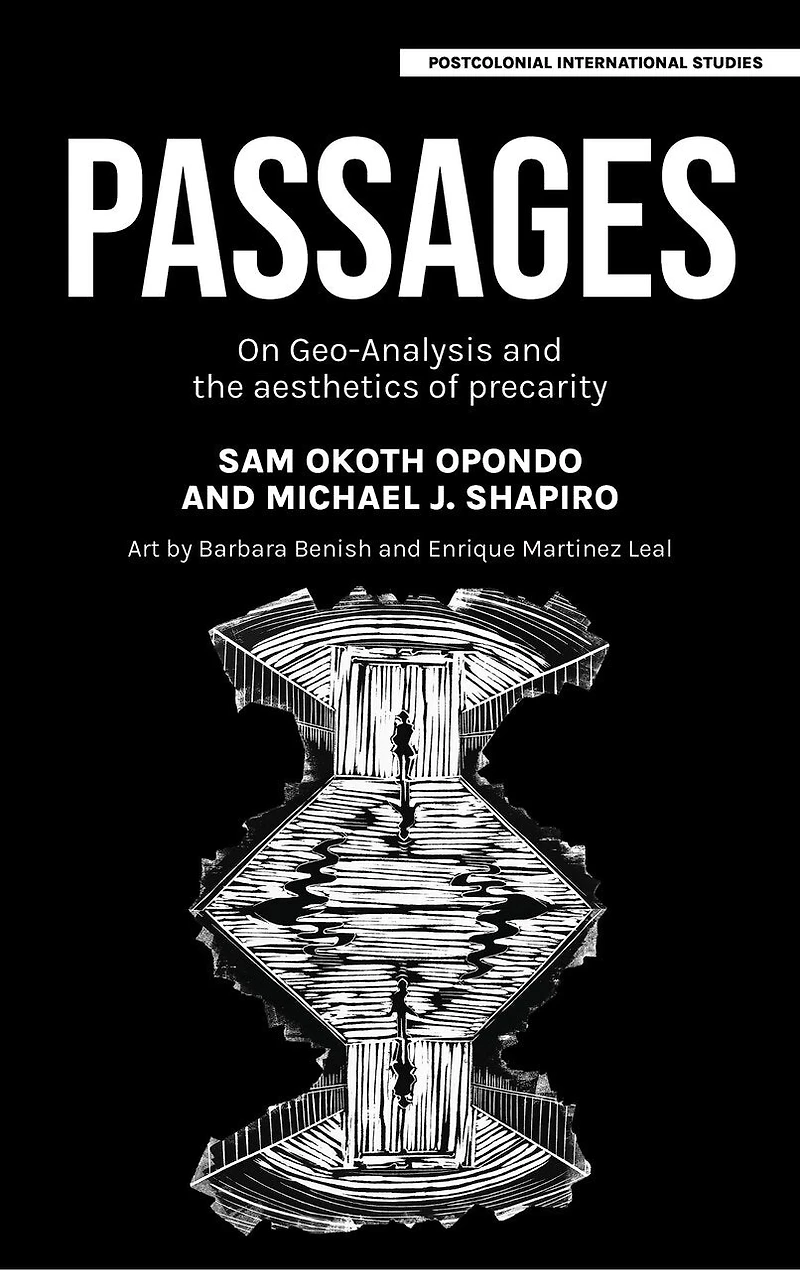

Passages: On Geo-Analysis and the aesthetics of precarity in Ottawa, ON
Current price: $180.00

Passages: On Geo-Analysis and the aesthetics of precarity in Ottawa, ON
Current price: $180.00
Loading Inventory...
Size: Hardcover
*Product information may vary - to confirm product availability, pricing, shipping and return information please contact Coles
Passages: On geo-analysis and the aesthetics of precarity is a multi-genre and transdisciplinary text addressing themes such as colonialism, nuclear zones of abandonment, migration control regimes, transnational domestic work, the biocolonial hostilities of the hospitality industry, legal precarities behind the international criminal justice regime, the shadow-worlds of the African soccerscape, and immunity regimes related to the COVID-19 pandemic. This book invites inquiry into today’s apocalyptic narratives, humanitarian reason, and international criminal justice regimes, as well as the precarity generated by citizen time and 'consulate time'. The aesthetic breaks emerging from the book’s image-text montage draw attention to the ethics of encounter and passage that challenges colonial, domestic, and nation-statist sovereignty regimes of inattention.
Passages: On geo-analysis and the aesthetics of precarity is a multi-genre and transdisciplinary text addressing themes such as colonialism, nuclear zones of abandonment, migration control regimes, transnational domestic work, the biocolonial hostilities of the hospitality industry, legal precarities behind the international criminal justice regime, the shadow-worlds of the African soccerscape, and immunity regimes related to the COVID-19 pandemic. This book invites inquiry into today’s apocalyptic narratives, humanitarian reason, and international criminal justice regimes, as well as the precarity generated by citizen time and 'consulate time'. The aesthetic breaks emerging from the book’s image-text montage draw attention to the ethics of encounter and passage that challenges colonial, domestic, and nation-statist sovereignty regimes of inattention.
You May Also Like













More About Coles at Bayshore Shopping Centre
Coles is renowned for its outstanding customer service and great selection of books. Along with the vast array of magazines, stationary, audio-books, children's literature, fiction, non-fiction and reference books, you can find accessories to make your reading experience more pleasurable. We can recommend the very best in reading today. We will help you search our titles for exactly what you need, and if we do not have it in stock, we will order it for you.
100 Bayshore Dr, Nepean, ON K2B 8C1, Canada
Find Coles at Bayshore Shopping Centre in Ottawa, ON
Visit Coles at Bayshore Shopping Centre in Ottawa, ON