

Give the Gift of Choice!
Too many options? Treat your friends and family to their favourite stores with a Bayshore Shopping Centre gift card, redeemable at participating retailers throughout the centre. Click below to purchase yours today!Purchase HereHome
Past Progress: Time and Politics at the Borders of China, Russia, Korea
Coles
Loading Inventory...
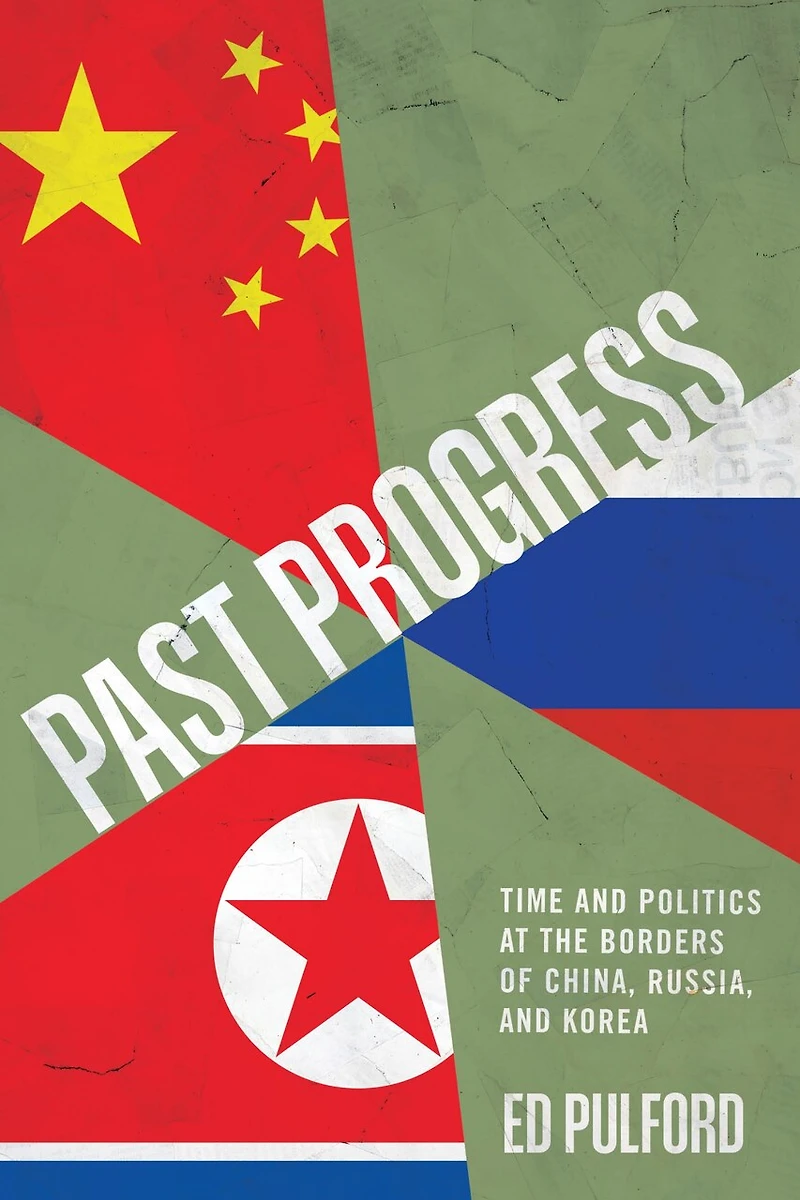
Past Progress: Time and Politics at the Borders of China, Russia, Korea in Ottawa, ON
Current price: $175.99

Past Progress: Time and Politics at the Borders of China, Russia, Korea in Ottawa, ON
Current price: $175.99
Loading Inventory...
Size: Hardcover
*Product information may vary - to confirm product availability, pricing, shipping and return information please contact Coles
While anxiety abounds in the old Cold War West that progress – whether political or economic – has been reversed, for citizens of former-socialist countries, murky temporal trajectories are nothing new. Grounded in the multiethnic frontier town of Hunchun at the triple border of China, Russia, and North Korea, Ed Pulford traces how several of global history's most ambitiously totalizing progressive endeavors have ended in cataclysmic collapse here. From the Japanese empire which banished Qing, Tsarist, and Choson dynastic histories from the region, through Chinese, Soviet, and Korean socialisms, these borderlands have seen projections and disintegrations of forward-oriented ideas accumulate on a grand scale.
Taking an archaeological approach to notions of historical progress, the book's three parts follow an innovative structure moving backwards through linear time. Part I explores "post-historical" Hunchun's diverse sociopolitics since high socialism's demise. Part II covers the socialist era, discussing cross-border temporal synchrony between China, Russia, and North Korea. Finally, Part III treats the period preceding socialist revolutions, revealing how the collapse of Qing, Tsarist, and Choson dynasties marked a compound "end of history" which opened the area to projections of modernity and progress. Examining a borderland across linguistic, cultural, and historical lenses, Past Progress is a simultaneously local and transregional analysis of time, borders, and the state before, during, and since socialism.
While anxiety abounds in the old Cold War West that progress – whether political or economic – has been reversed, for citizens of former-socialist countries, murky temporal trajectories are nothing new. Grounded in the multiethnic frontier town of Hunchun at the triple border of China, Russia, and North Korea, Ed Pulford traces how several of global history's most ambitiously totalizing progressive endeavors have ended in cataclysmic collapse here. From the Japanese empire which banished Qing, Tsarist, and Choson dynastic histories from the region, through Chinese, Soviet, and Korean socialisms, these borderlands have seen projections and disintegrations of forward-oriented ideas accumulate on a grand scale.
Taking an archaeological approach to notions of historical progress, the book's three parts follow an innovative structure moving backwards through linear time. Part I explores "post-historical" Hunchun's diverse sociopolitics since high socialism's demise. Part II covers the socialist era, discussing cross-border temporal synchrony between China, Russia, and North Korea. Finally, Part III treats the period preceding socialist revolutions, revealing how the collapse of Qing, Tsarist, and Choson dynasties marked a compound "end of history" which opened the area to projections of modernity and progress. Examining a borderland across linguistic, cultural, and historical lenses, Past Progress is a simultaneously local and transregional analysis of time, borders, and the state before, during, and since socialism.
You May Also Like















More About Coles at Bayshore Shopping Centre
Coles is renowned for its outstanding customer service and great selection of books. Along with the vast array of magazines, stationary, audio-books, children's literature, fiction, non-fiction and reference books, you can find accessories to make your reading experience more pleasurable. We can recommend the very best in reading today. We will help you search our titles for exactly what you need, and if we do not have it in stock, we will order it for you.
100 Bayshore Dr, Nepean, ON K2B 8C1, Canada
Find Coles at Bayshore Shopping Centre in Ottawa, ON
Visit Coles at Bayshore Shopping Centre in Ottawa, ON