

Give the Gift of Choice!
Too many options? Treat your friends and family to their favourite stores with a Bayshore Shopping Centre gift card, redeemable at participating retailers throughout the centre. Click below to purchase yours today!Purchase HereHome
Paul and the Corinthians: Leadership, Ordeals, and the Politics of Displacement
Coles
Loading Inventory...
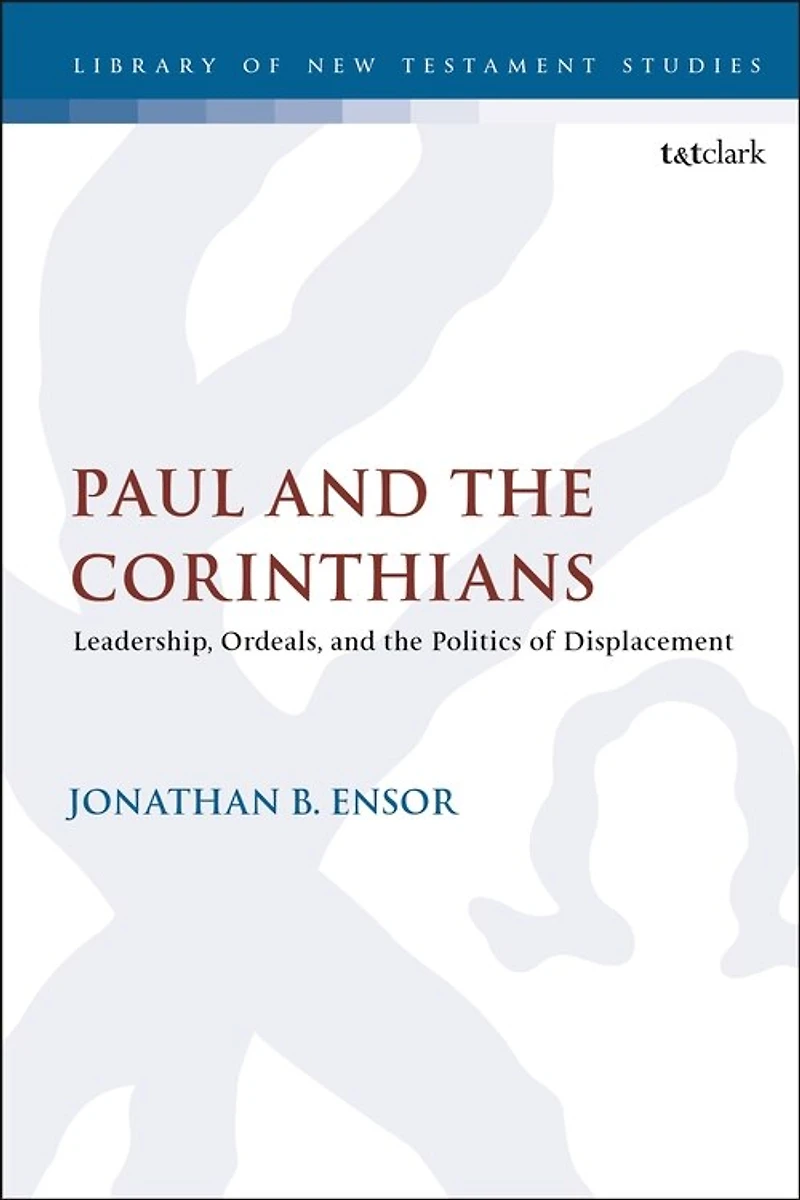
Paul and the Corinthians: Leadership, Ordeals, and the Politics of Displacement in Ottawa, ON
Current price: $189.95

Paul and the Corinthians: Leadership, Ordeals, and the Politics of Displacement in Ottawa, ON
Current price: $189.95
Loading Inventory...
Size: Hardcover
*Product information may vary - to confirm product availability, pricing, shipping and return information please contact Coles
Jonathan B. Ensor revisits the scholarly consensus concerning Paul's intermediate visit to the Corinthians between his first and second epistles. Ensor re-evaluates the textual evidence, interpreting the event through a socio-historical lens that focuses upon ancient trial by ordeal and exit in the context of communal conflict, shedding significant light upon the social behaviours involved in this event and its interpretation. Beginning with a review of relational and social-spacial dynamics and sources of conflict, Ensor then explores the politics of displacement in Graeco-Roman antiquity to analyse the relational contours of Paul's intermediate visit to Corinth. From these insights, Ensor interprets Paul's autobiographical narrations of apostolic ordeal and Paul's announcement of imminent return to Corinth in 2 Corinthians. Ensor concludes that Paul, through the ordeal accounts, aimed both to reverse the judgments against him emerging from the intermediate visit, and to undermine the evaluative structure of his detractors who viewed him as impotent, illegitimate, and displaced.
Jonathan B. Ensor revisits the scholarly consensus concerning Paul's intermediate visit to the Corinthians between his first and second epistles. Ensor re-evaluates the textual evidence, interpreting the event through a socio-historical lens that focuses upon ancient trial by ordeal and exit in the context of communal conflict, shedding significant light upon the social behaviours involved in this event and its interpretation. Beginning with a review of relational and social-spacial dynamics and sources of conflict, Ensor then explores the politics of displacement in Graeco-Roman antiquity to analyse the relational contours of Paul's intermediate visit to Corinth. From these insights, Ensor interprets Paul's autobiographical narrations of apostolic ordeal and Paul's announcement of imminent return to Corinth in 2 Corinthians. Ensor concludes that Paul, through the ordeal accounts, aimed both to reverse the judgments against him emerging from the intermediate visit, and to undermine the evaluative structure of his detractors who viewed him as impotent, illegitimate, and displaced.
You May Also Like









More About Coles at Bayshore Shopping Centre
Coles is renowned for its outstanding customer service and great selection of books. Along with the vast array of magazines, stationary, audio-books, children's literature, fiction, non-fiction and reference books, you can find accessories to make your reading experience more pleasurable. We can recommend the very best in reading today. We will help you search our titles for exactly what you need, and if we do not have it in stock, we will order it for you.
100 Bayshore Dr, Nepean, ON K2B 8C1, Canada
Find Coles at Bayshore Shopping Centre in Ottawa, ON
Visit Coles at Bayshore Shopping Centre in Ottawa, ON