

Give the Gift of Choice!
Too many options? Treat your friends and family to their favourite stores with a Bayshore Shopping Centre gift card, redeemable at participating retailers throughout the centre. Click below to purchase yours today!Purchase HereHome
Paul Simon's Graceland
Coles
Loading Inventory...
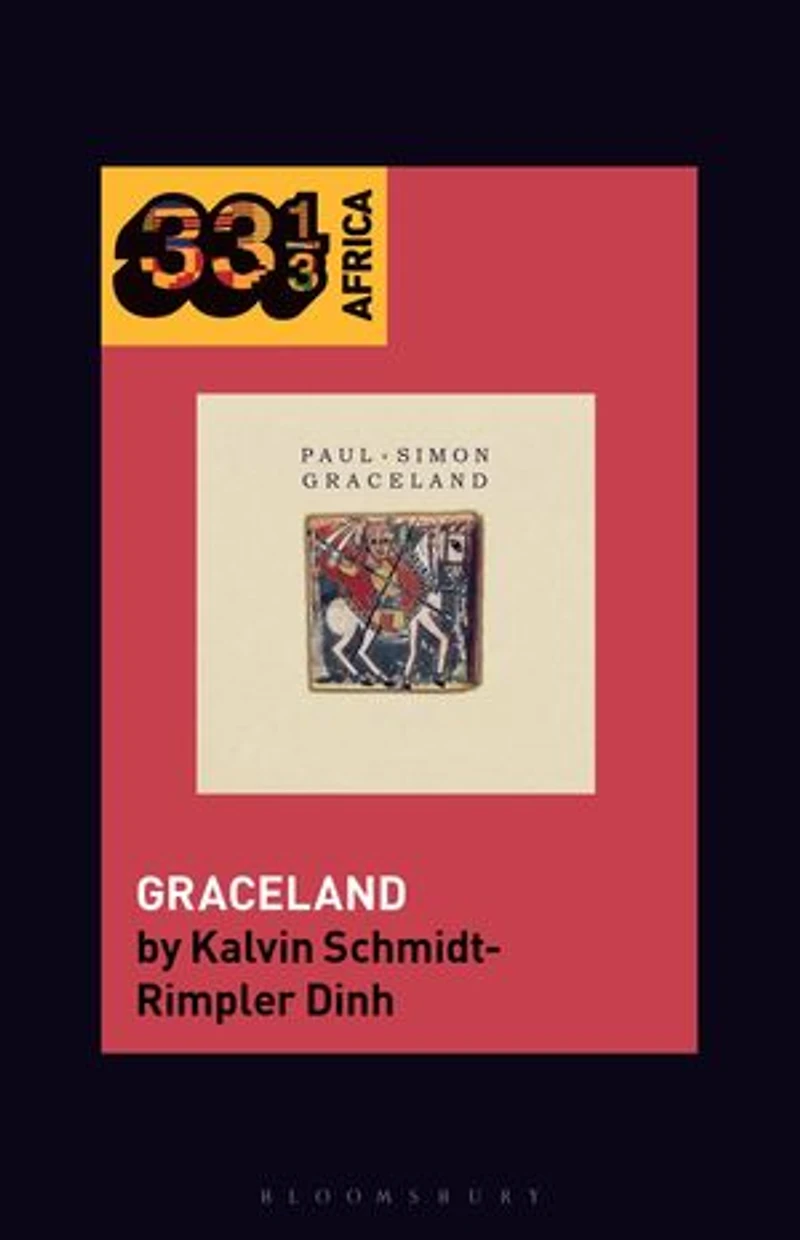

Paul Simon's Graceland in Ottawa, ON
By None
Current price: $24.49
Original price: $30.55

By None
Paul Simon's Graceland in Ottawa, ON
Current price: $24.49
Original price: $30.55
Loading Inventory...
Size: Kobo eBook
*Product information may vary - to confirm product availability, pricing, shipping and return information please contact Coles
Celebrated, controversial, and conspicuously eclectic, Paul Simon's Graceland stands among the monumental albums of the 20th century. This book explores how and why it made its mark, from the international collaborations that defined its musical character, to the inflamed political environment from which it emerged. Graceland incorporated some of South Africa's most beloved popular music traditions, including 'township jive', kwela , and the intricate isicathamiya harmonies of Ladysmith Black Mambazo. It also featured contributions from Central and West African musicians, alongside an array of North American styles - Chicano rock, country, synth-pop, Louisiana zydeco - and, of course, Simon's characteristically abstract poetics. This book revisits Graceland as an important example of the global relevance of African music. Released in 1986, amid an intensified period of anti-apartheid activism across world, the album had a unique relationship to South Africa: it drew attention to apartheid and Black African music while its popular significance was simultaneously propelled by the anti-apartheid movement. As a collaborative, cross-cultural project straddling the boundaries of a deeply unequal world - economically, politically, racially - Graceland invites reflection on the relationship between art and politics, both then and now.
Celebrated, controversial, and conspicuously eclectic, Paul Simon's Graceland stands among the monumental albums of the 20th century. This book explores how and why it made its mark, from the international collaborations that defined its musical character, to the inflamed political environment from which it emerged. Graceland incorporated some of South Africa's most beloved popular music traditions, including 'township jive', kwela , and the intricate isicathamiya harmonies of Ladysmith Black Mambazo. It also featured contributions from Central and West African musicians, alongside an array of North American styles - Chicano rock, country, synth-pop, Louisiana zydeco - and, of course, Simon's characteristically abstract poetics. This book revisits Graceland as an important example of the global relevance of African music. Released in 1986, amid an intensified period of anti-apartheid activism across world, the album had a unique relationship to South Africa: it drew attention to apartheid and Black African music while its popular significance was simultaneously propelled by the anti-apartheid movement. As a collaborative, cross-cultural project straddling the boundaries of a deeply unequal world - economically, politically, racially - Graceland invites reflection on the relationship between art and politics, both then and now.
You May Also Like











More About Coles at Bayshore Shopping Centre
Coles is renowned for its outstanding customer service and great selection of books. Along with the vast array of magazines, stationary, audio-books, children's literature, fiction, non-fiction and reference books, you can find accessories to make your reading experience more pleasurable. We can recommend the very best in reading today. We will help you search our titles for exactly what you need, and if we do not have it in stock, we will order it for you.
100 Bayshore Dr, Nepean, ON K2B 8C1, Canada
Find Coles at Bayshore Shopping Centre in Ottawa, ON
Visit Coles at Bayshore Shopping Centre in Ottawa, ON