

Give the Gift of Choice!
Too many options? Treat your friends and family to their favourite stores with a Bayshore Shopping Centre gift card, redeemable at participating retailers throughout the centre. Click below to purchase yours today!Purchase HereHome
Paul's Last Letter: A Commentary on the Second Epistle to Timothy
Coles
Loading Inventory...
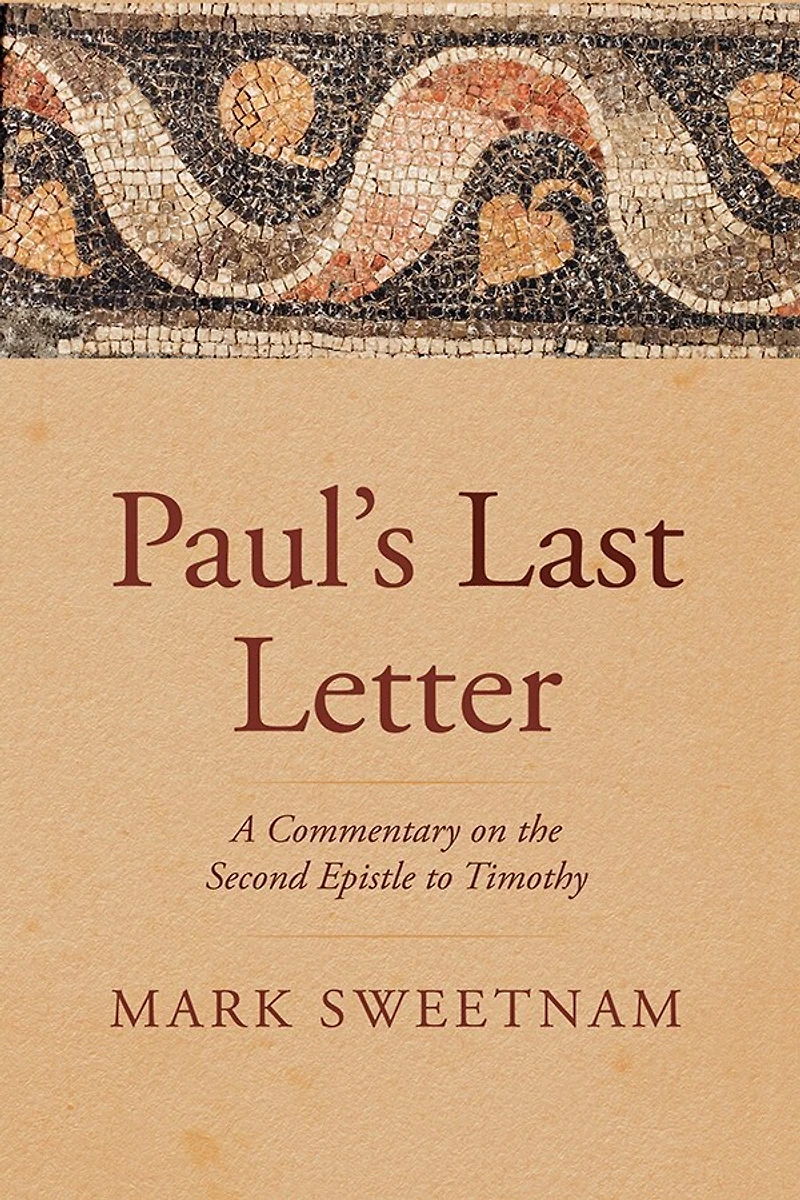
Paul's Last Letter: A Commentary on the Second Epistle to Timothy in Ottawa, ON
Current price: $40.00

Paul's Last Letter: A Commentary on the Second Epistle to Timothy in Ottawa, ON
Current price: $40.00
Loading Inventory...
Size: Paperback
*Product information may vary - to confirm product availability, pricing, shipping and return information please contact Coles
The Second Epistle to Timothy is, by any standard, a remarkable document. Even as the apostle urges his friend and coworker hasten to Rome for a final meeting, the intimacy and urgency of Paul's words make clear his awareness that Timothy might not arrive in time to say goodbye. This makes the epistle deeply personal. But Paul has a much larger purpose in view than just Timothy's consolation. The epistle vibrates with Paul's concern for Timothy's endurance in the apostle's mission after Paul's death. Paul is at pains to emphasize for Timothy the seriousness of his responsibility, the difficulty of the context in which that duty will be discharged, and the divine assistance that will allow him to preserve and transmit the apostolic deposit to 'faithful men'. Even as he addresses Timothy, Paul is deliberately speaking beyond him to everyone who remains faithful to the apostolic gospel in the 'last days' following the apostle's departure. This commentary provides a detailed but nontechnical treatment of 2 Timothy, which interacts with contemporary scholarship on the epistle, while providing a literary, rhetorical, and parenetic analysis of Paul's last letter.
The Second Epistle to Timothy is, by any standard, a remarkable document. Even as the apostle urges his friend and coworker hasten to Rome for a final meeting, the intimacy and urgency of Paul's words make clear his awareness that Timothy might not arrive in time to say goodbye. This makes the epistle deeply personal. But Paul has a much larger purpose in view than just Timothy's consolation. The epistle vibrates with Paul's concern for Timothy's endurance in the apostle's mission after Paul's death. Paul is at pains to emphasize for Timothy the seriousness of his responsibility, the difficulty of the context in which that duty will be discharged, and the divine assistance that will allow him to preserve and transmit the apostolic deposit to 'faithful men'. Even as he addresses Timothy, Paul is deliberately speaking beyond him to everyone who remains faithful to the apostolic gospel in the 'last days' following the apostle's departure. This commentary provides a detailed but nontechnical treatment of 2 Timothy, which interacts with contemporary scholarship on the epistle, while providing a literary, rhetorical, and parenetic analysis of Paul's last letter.
You May Also Like










More About Coles at Bayshore Shopping Centre
Coles is renowned for its outstanding customer service and great selection of books. Along with the vast array of magazines, stationary, audio-books, children's literature, fiction, non-fiction and reference books, you can find accessories to make your reading experience more pleasurable. We can recommend the very best in reading today. We will help you search our titles for exactly what you need, and if we do not have it in stock, we will order it for you.
100 Bayshore Dr, Nepean, ON K2B 8C1, Canada
Find Coles at Bayshore Shopping Centre in Ottawa, ON
Visit Coles at Bayshore Shopping Centre in Ottawa, ON