

Give the Gift of Choice!
Too many options? Treat your friends and family to their favourite stores with a Bayshore Shopping Centre gift card, redeemable at participating retailers throughout the centre. Click below to purchase yours today!Purchase HereHome
Peace Not War: Traditions of Restorative Justice in Imperial Ethiopia, 1769 - 1960
Coles
Loading Inventory...
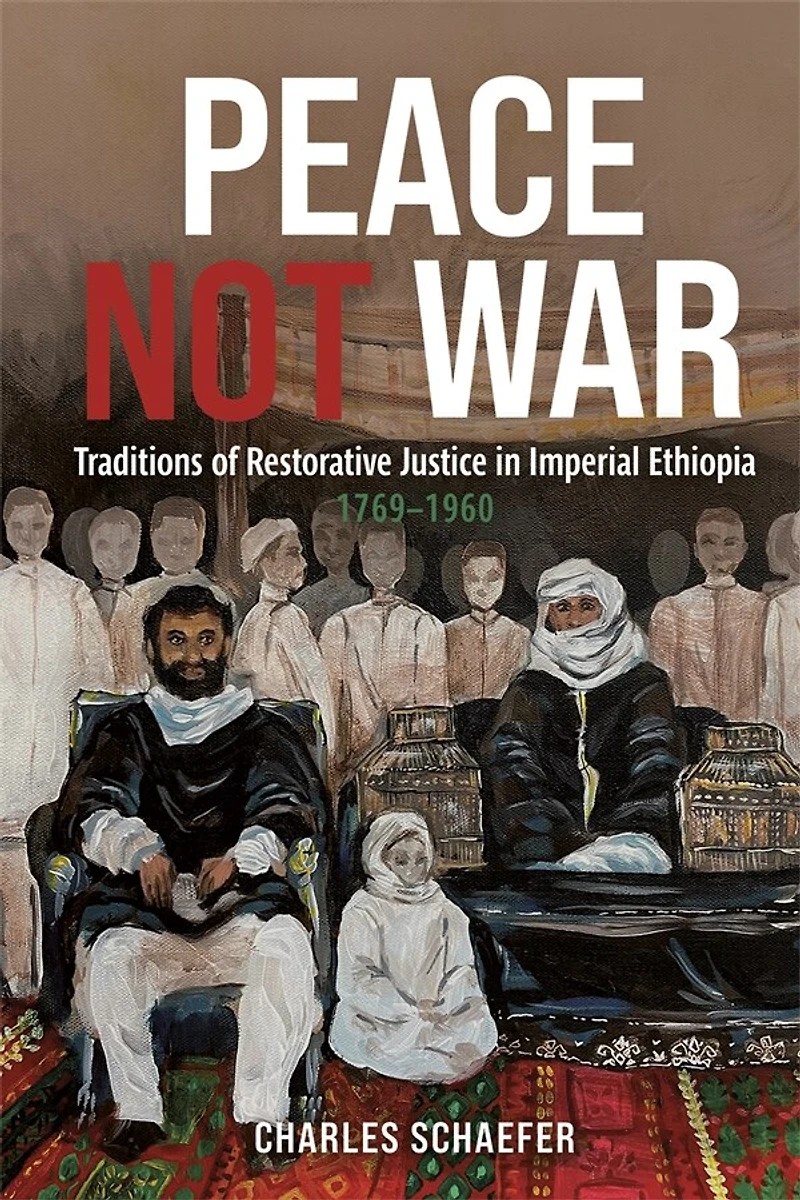
Peace Not War: Traditions of Restorative Justice in Imperial Ethiopia, 1769 - 1960 in Ottawa, ON
Current price: $157.20

Peace Not War: Traditions of Restorative Justice in Imperial Ethiopia, 1769 - 1960 in Ottawa, ON
Current price: $157.20
Loading Inventory...
Size: Hardcover
*Product information may vary - to confirm product availability, pricing, shipping and return information please contact Coles
Examines one of the few documented early examples of restorative justice from Africa or Latin America.
With a writing system, Ethiopian emperors as well as pretenders to the throne chronicled their exploits including peace-building feats, and this book showcases and analyses historically verified instances, from as early as 1769, where restorative justice modalities were used to resolve conflict and bring peace to the country.
Peace not War traces Ethiopia's evolving understanding of restorative justice from the 'forgive and forget' approach which characterized the Zemene Mesafint (Era of the Princes), where perpetrators were exonerated, allowing them to recoup and build their armies to fight another day, to conditional forgiveness, recorded by the imperial court and dependent on atonement. Ethiopia's long history of experimentation with different forms of restorative justice demonstrates ingenuity, flexibility, and adaptability, but as the twentieth century progressed, workable, indigenous forms of restorative justice were sidelined by Western codified law that emphasized retribution.
Examines one of the few documented early examples of restorative justice from Africa or Latin America.
With a writing system, Ethiopian emperors as well as pretenders to the throne chronicled their exploits including peace-building feats, and this book showcases and analyses historically verified instances, from as early as 1769, where restorative justice modalities were used to resolve conflict and bring peace to the country.
Peace not War traces Ethiopia's evolving understanding of restorative justice from the 'forgive and forget' approach which characterized the Zemene Mesafint (Era of the Princes), where perpetrators were exonerated, allowing them to recoup and build their armies to fight another day, to conditional forgiveness, recorded by the imperial court and dependent on atonement. Ethiopia's long history of experimentation with different forms of restorative justice demonstrates ingenuity, flexibility, and adaptability, but as the twentieth century progressed, workable, indigenous forms of restorative justice were sidelined by Western codified law that emphasized retribution.
You May Also Like









More About Coles at Bayshore Shopping Centre
Coles is renowned for its outstanding customer service and great selection of books. Along with the vast array of magazines, stationary, audio-books, children's literature, fiction, non-fiction and reference books, you can find accessories to make your reading experience more pleasurable. We can recommend the very best in reading today. We will help you search our titles for exactly what you need, and if we do not have it in stock, we will order it for you.
100 Bayshore Dr, Nepean, ON K2B 8C1, Canada
Find Coles at Bayshore Shopping Centre in Ottawa, ON
Visit Coles at Bayshore Shopping Centre in Ottawa, ON