

Give the Gift of Choice!
Too many options? Treat your friends and family to their favourite stores with a Bayshore Shopping Centre gift card, redeemable at participating retailers throughout the centre. Click below to purchase yours today!Purchase HereHome
Pearl: December 7, 1941
Coles
Loading Inventory...
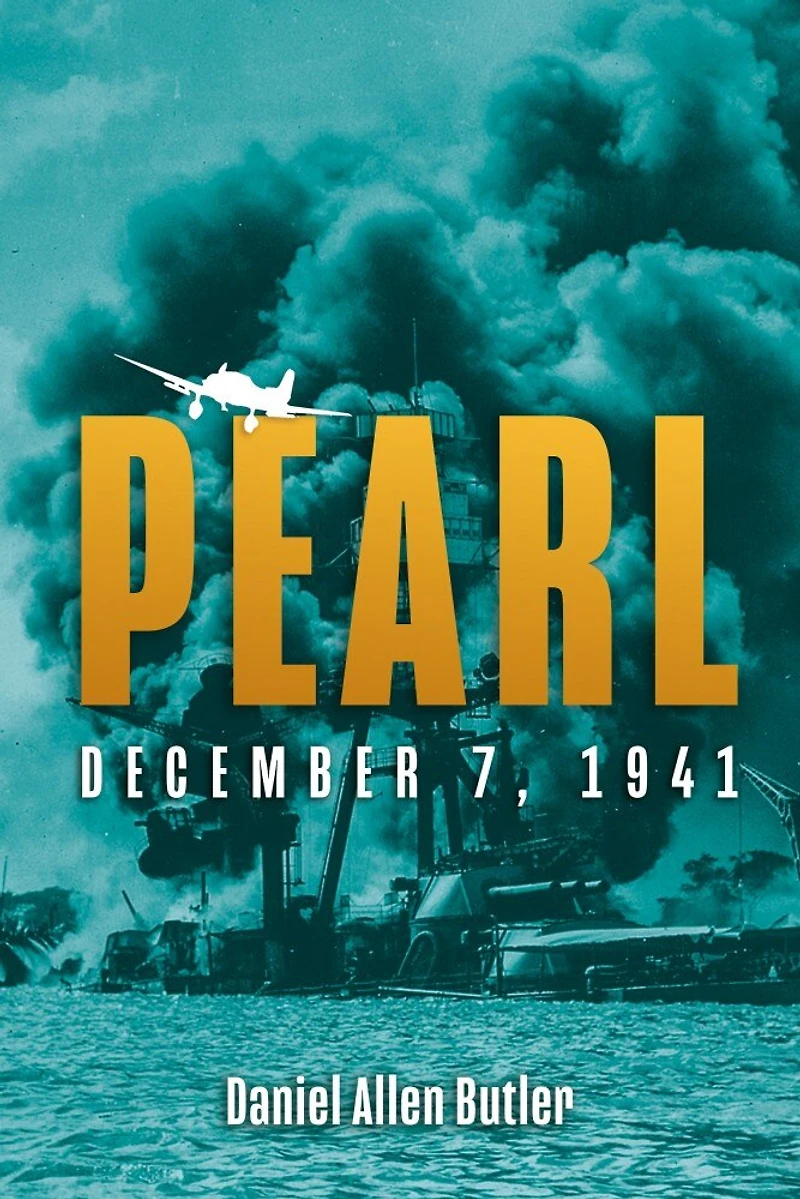
Pearl: December 7, 1941 in Ottawa, ON
Current price: $36.50

Pearl: December 7, 1941 in Ottawa, ON
Current price: $36.50
Loading Inventory...
Size: Paperback
*Product information may vary - to confirm product availability, pricing, shipping and return information please contact Coles
"The account that Butler lays out is very clear and easy to follow. It provides a series of dramatic moments and hits all the key elements of the story of Pearl Harbor that have appeared in the existing literature."-The Northern Mariner What happened at Pearl Harbor? What really happened? The Japanese attack on Pearl Harbor is one of those rare moments where, in the space of a few hours, the "hinge of Fate" turned and the course of history was utterly changed. Nearly eight decades later, it has become one of those events which almost everyone knows of, but hardly anyone seems to know about. How-and why-did the Empire of Japan and the United States of America collide on blood and flames that Sunday morning when the sun rose and the bombs fell? Pearl: December 7, 1941 is the story of how America and Japan, two nations with seemingly little over which to quarrel, let peace slip away, so that on that "day which will live in infamy," more than 350 dive bombers, high-level bombers, torpedo planes, and fighters of the Imperial Japanese Navy did their best to cripple the United States Navy's Pacific Fleet, killing 2,403 American servicemen and civilians, and wounding another 1,178. It's a story of emperors and presidents, diplomats and politicians, admirals and generals-and it's also the tale of ordinary sailors, soldiers, and airmen, all of whom were overtaken by a rush of events that ultimately overwhelmed them. Pearl shows the real reasons why America's political and military leaders underestimated Japan's threat against America's security, and why their Japanese counterparts ultimately felt compelled to launch the Pearl Harbor attack. Pearl offers more than superficial answers, showing how both sides blundered their way through arrogance, overconfidence, racism, bigotry, and old-fashioned human error to arrive at the moment when the Japanese were convinced that there was no alternative to war. Once the battle is joined, Pearl then takes the reader into the heart of the attack, where the fighting men of both nations showed that neither side had a monopoly on heroism, courage, cowardice, or luck, as they fought to protect their nations.
"The account that Butler lays out is very clear and easy to follow. It provides a series of dramatic moments and hits all the key elements of the story of Pearl Harbor that have appeared in the existing literature."-The Northern Mariner What happened at Pearl Harbor? What really happened? The Japanese attack on Pearl Harbor is one of those rare moments where, in the space of a few hours, the "hinge of Fate" turned and the course of history was utterly changed. Nearly eight decades later, it has become one of those events which almost everyone knows of, but hardly anyone seems to know about. How-and why-did the Empire of Japan and the United States of America collide on blood and flames that Sunday morning when the sun rose and the bombs fell? Pearl: December 7, 1941 is the story of how America and Japan, two nations with seemingly little over which to quarrel, let peace slip away, so that on that "day which will live in infamy," more than 350 dive bombers, high-level bombers, torpedo planes, and fighters of the Imperial Japanese Navy did their best to cripple the United States Navy's Pacific Fleet, killing 2,403 American servicemen and civilians, and wounding another 1,178. It's a story of emperors and presidents, diplomats and politicians, admirals and generals-and it's also the tale of ordinary sailors, soldiers, and airmen, all of whom were overtaken by a rush of events that ultimately overwhelmed them. Pearl shows the real reasons why America's political and military leaders underestimated Japan's threat against America's security, and why their Japanese counterparts ultimately felt compelled to launch the Pearl Harbor attack. Pearl offers more than superficial answers, showing how both sides blundered their way through arrogance, overconfidence, racism, bigotry, and old-fashioned human error to arrive at the moment when the Japanese were convinced that there was no alternative to war. Once the battle is joined, Pearl then takes the reader into the heart of the attack, where the fighting men of both nations showed that neither side had a monopoly on heroism, courage, cowardice, or luck, as they fought to protect their nations.
You May Also Like













More About Coles at Bayshore Shopping Centre
Coles is renowned for its outstanding customer service and great selection of books. Along with the vast array of magazines, stationary, audio-books, children's literature, fiction, non-fiction and reference books, you can find accessories to make your reading experience more pleasurable. We can recommend the very best in reading today. We will help you search our titles for exactly what you need, and if we do not have it in stock, we will order it for you.
100 Bayshore Dr, Nepean, ON K2B 8C1, Canada
Find Coles at Bayshore Shopping Centre in Ottawa, ON
Visit Coles at Bayshore Shopping Centre in Ottawa, ON