

Give the Gift of Choice!
Too many options? Treat your friends and family to their favourite stores with a Bayshore Shopping Centre gift card, redeemable at participating retailers throughout the centre. Click below to purchase yours today!Purchase HereHome
Perceptions and Representations of the Malagasy Environment Across Cultures
Coles
Loading Inventory...
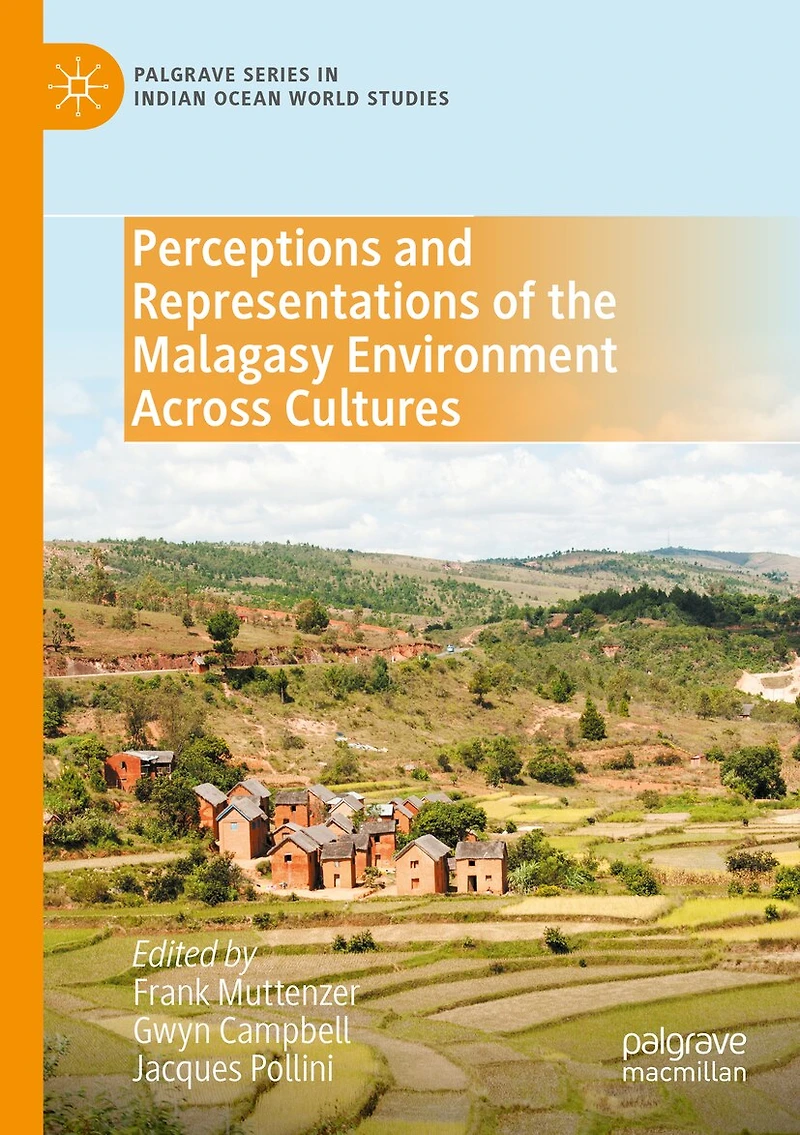
Perceptions and Representations of the Malagasy Environment Across Cultures in Ottawa, ON
Current price: $204.50

Perceptions and Representations of the Malagasy Environment Across Cultures in Ottawa, ON
Current price: $204.50
Loading Inventory...
Size: Paperback
*Product information may vary - to confirm product availability, pricing, shipping and return information please contact Coles
This book examines the history and impact of environmental change in Madagascar. Drawing on interdisciplinary, ethnographic methodologies, the book presents local and global perspectives on current environmental changes and their drivers, from mining to development and deforestation. The book emphasizes the embeddedness of Malagasy peoples' social relationships with the natural environment, and contrasts this with the way the Malagasy environment is viewed by international conservation organizations. Through the presentation of concrete case studies, the contributors assess the current controversy over the history and nature of human impact on the environment in Madagascar, and offer innovatory insights into how these controversies, which plague current policy making, can be settled.
This book examines the history and impact of environmental change in Madagascar. Drawing on interdisciplinary, ethnographic methodologies, the book presents local and global perspectives on current environmental changes and their drivers, from mining to development and deforestation. The book emphasizes the embeddedness of Malagasy peoples' social relationships with the natural environment, and contrasts this with the way the Malagasy environment is viewed by international conservation organizations. Through the presentation of concrete case studies, the contributors assess the current controversy over the history and nature of human impact on the environment in Madagascar, and offer innovatory insights into how these controversies, which plague current policy making, can be settled.
You May Also Like









More About Coles at Bayshore Shopping Centre
Coles is renowned for its outstanding customer service and great selection of books. Along with the vast array of magazines, stationary, audio-books, children's literature, fiction, non-fiction and reference books, you can find accessories to make your reading experience more pleasurable. We can recommend the very best in reading today. We will help you search our titles for exactly what you need, and if we do not have it in stock, we will order it for you.
100 Bayshore Dr, Nepean, ON K2B 8C1, Canada
Find Coles at Bayshore Shopping Centre in Ottawa, ON
Visit Coles at Bayshore Shopping Centre in Ottawa, ON