

Give the Gift of Choice!
Too many options? Treat your friends and family to their favourite stores with a Bayshore Shopping Centre gift card, redeemable at participating retailers throughout the centre. Click below to purchase yours today!Purchase HereHome
Persuasion and Conversion: Essays on Religion, Politics, and the Public Sphere in Early Modern England
Coles
Loading Inventory...
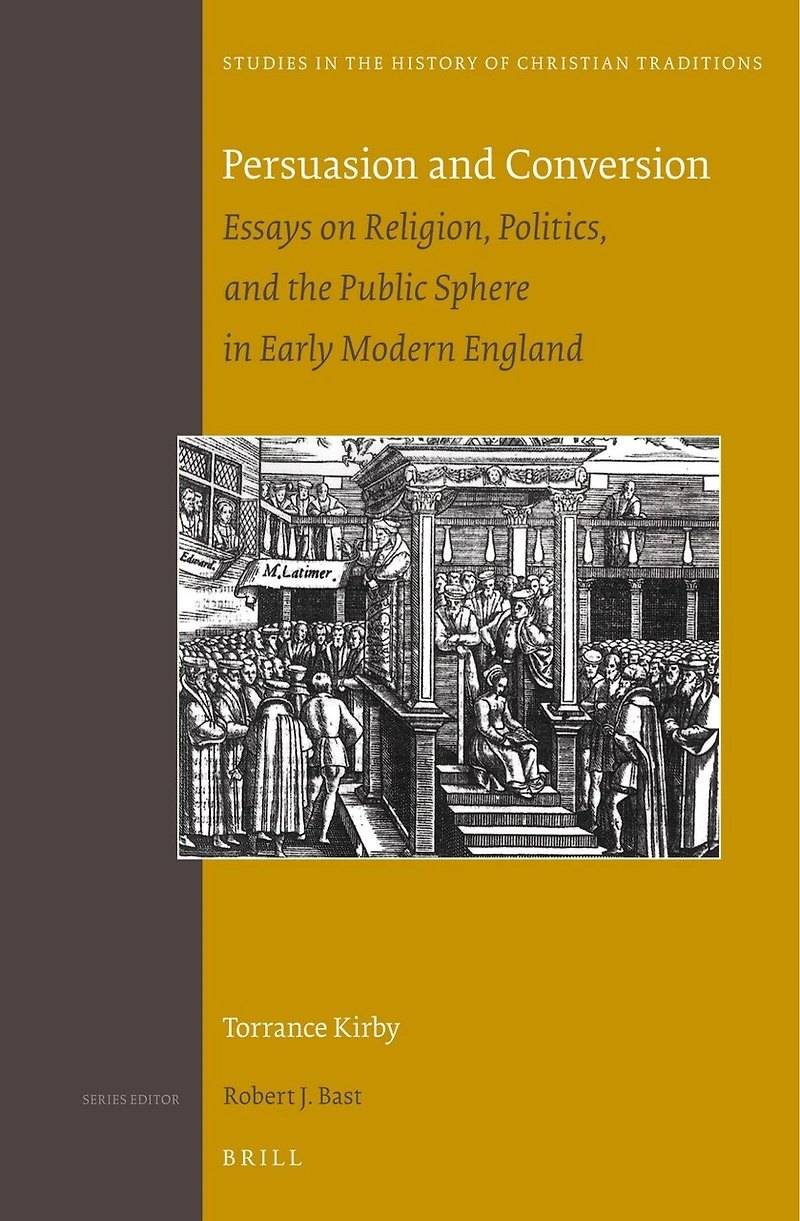
Persuasion and Conversion: Essays on Religion, Politics, and the Public Sphere in Early Modern England in Ottawa, ON
Current price: $220.99

Persuasion and Conversion: Essays on Religion, Politics, and the Public Sphere in Early Modern England in Ottawa, ON
Current price: $220.99
Loading Inventory...
Size: Hardcover
*Product information may vary - to confirm product availability, pricing, shipping and return information please contact Coles
The early modern ‘public sphere’ emerges out of a popular ‘culture of persuasion’ fostered by the Protestant Reformation. By 1600, religious identity could no longer be assumed as ‘given’ within the hierarchical institutions and elaborate apparatus of late-medieval ‘sacramental culture’. Reformers insisted on a sharp demarcation between the inner, subjective space of the individual and the external, public space of institutional life. Gradual displacement of sacramental culture was achieved by means of argument, textual interpretation, exhortation, reasoned opinion, and moral advice exercised through both pulpit and press. This alternative culture of persuasion presupposes a radically distinct notion of mediation. The common focus of the essays collected here is the dynamic interaction of religion and politics which provided a crucible for the emerging modern ‘public sphere’.
The early modern ‘public sphere’ emerges out of a popular ‘culture of persuasion’ fostered by the Protestant Reformation. By 1600, religious identity could no longer be assumed as ‘given’ within the hierarchical institutions and elaborate apparatus of late-medieval ‘sacramental culture’. Reformers insisted on a sharp demarcation between the inner, subjective space of the individual and the external, public space of institutional life. Gradual displacement of sacramental culture was achieved by means of argument, textual interpretation, exhortation, reasoned opinion, and moral advice exercised through both pulpit and press. This alternative culture of persuasion presupposes a radically distinct notion of mediation. The common focus of the essays collected here is the dynamic interaction of religion and politics which provided a crucible for the emerging modern ‘public sphere’.
You May Also Like








More About Coles at Bayshore Shopping Centre
Coles is renowned for its outstanding customer service and great selection of books. Along with the vast array of magazines, stationary, audio-books, children's literature, fiction, non-fiction and reference books, you can find accessories to make your reading experience more pleasurable. We can recommend the very best in reading today. We will help you search our titles for exactly what you need, and if we do not have it in stock, we will order it for you.
100 Bayshore Dr, Nepean, ON K2B 8C1, Canada
Find Coles at Bayshore Shopping Centre in Ottawa, ON
Visit Coles at Bayshore Shopping Centre in Ottawa, ON