

Give the Gift of Choice!
Too many options? Treat your friends and family to their favourite stores with a Bayshore Shopping Centre gift card, redeemable at participating retailers throughout the centre. Click below to purchase yours today!Purchase HereHome
Philosophical Melancholy and Delirium: Hume's Pathology of Philosophy
Coles
Loading Inventory...
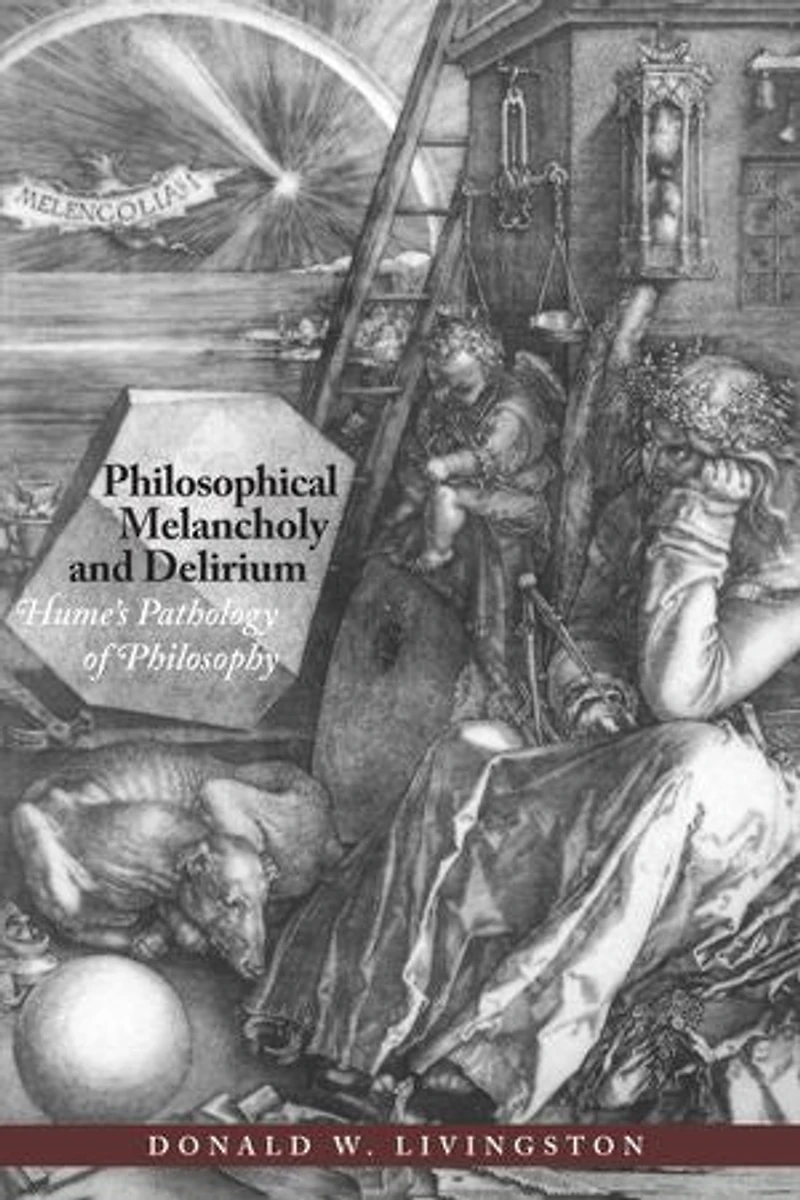
Philosophical Melancholy and Delirium: Hume's Pathology of Philosophy in Ottawa, ON
Current price: $19.19
Original price: $23.99

Philosophical Melancholy and Delirium: Hume's Pathology of Philosophy in Ottawa, ON
Current price: $19.19
Original price: $23.99
Loading Inventory...
Size: Kobo eBook
*Product information may vary - to confirm product availability, pricing, shipping and return information please contact Coles
The Scottish philosopher David Hume is commonly understood as the original proponent of the "end of philosophy." In this powerful new study, Donald Livingston completely revises our understanding of Hume's thought through his investigation of Hume's distinction between "true" and "false" philosophy. For Hume, false philosophy leads either to melancholy over the groundlessness of common opinion or delirium over transcending it, while true philosophy leads to wisdom. Livingston traces this distinction through all of Hume's writings, providing a systematic pathology of the corrupt philosophical consciousness in history, politics, philosophy, and literature that characterized Hume's own time as well as ours.
By demonstrating how a philosophical method can be used to expose the political motivations behind intellectual positions, historical events, and their subsequent interpretations, Livingston revitalizes Hume's thought and reveals its relevance for contemporary dicussions of politics, nationalism, and ideology for the first time.
The Scottish philosopher David Hume is commonly understood as the original proponent of the "end of philosophy." In this powerful new study, Donald Livingston completely revises our understanding of Hume's thought through his investigation of Hume's distinction between "true" and "false" philosophy. For Hume, false philosophy leads either to melancholy over the groundlessness of common opinion or delirium over transcending it, while true philosophy leads to wisdom. Livingston traces this distinction through all of Hume's writings, providing a systematic pathology of the corrupt philosophical consciousness in history, politics, philosophy, and literature that characterized Hume's own time as well as ours.
By demonstrating how a philosophical method can be used to expose the political motivations behind intellectual positions, historical events, and their subsequent interpretations, Livingston revitalizes Hume's thought and reveals its relevance for contemporary dicussions of politics, nationalism, and ideology for the first time.
You May Also Like







More About Coles at Bayshore Shopping Centre
Coles is renowned for its outstanding customer service and great selection of books. Along with the vast array of magazines, stationary, audio-books, children's literature, fiction, non-fiction and reference books, you can find accessories to make your reading experience more pleasurable. We can recommend the very best in reading today. We will help you search our titles for exactly what you need, and if we do not have it in stock, we will order it for you.
100 Bayshore Dr, Nepean, ON K2B 8C1, Canada
Find Coles at Bayshore Shopping Centre in Ottawa, ON
Visit Coles at Bayshore Shopping Centre in Ottawa, ON