

Give the Gift of Choice!
Too many options? Treat your friends and family to their favourite stores with a Bayshore Shopping Centre gift card, redeemable at participating retailers throughout the centre. Click below to purchase yours today!Purchase HereHome
Phyconanotechnology: Current Research, Challenges, and Prospects
Coles
Loading Inventory...
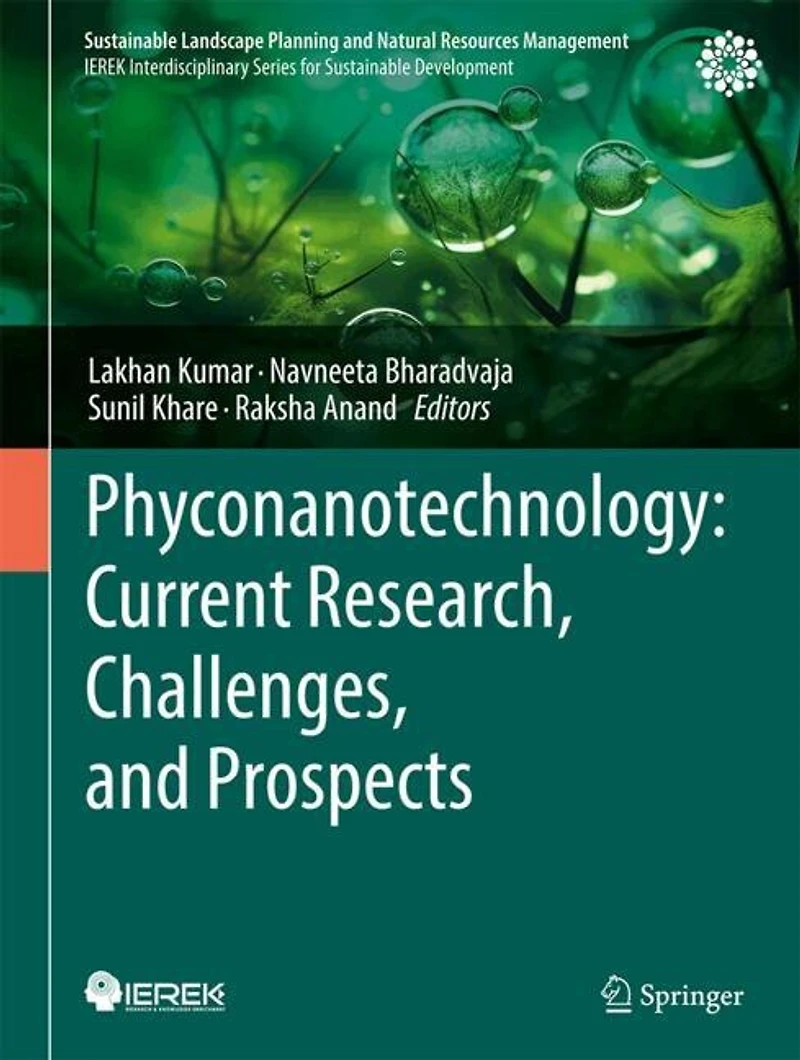
Phyconanotechnology: Current Research, Challenges, and Prospects in Ottawa, ON
Current price: $364.95

Phyconanotechnology: Current Research, Challenges, and Prospects in Ottawa, ON
Current price: $364.95
Loading Inventory...
Size: Hardcover
*Product information may vary - to confirm product availability, pricing, shipping and return information please contact Coles
This book explores the scientific development in the field of algal-based nanomaterials synthesis, production methods, and commercial and utilization aspects of phyconanomaterials to address a range of problems of humanity. Nanomaterials have been recently explored for and employed in environmental remediation, biomedical applications, agriculture, food industries, energy sectors, cosmetics, biolabeling, and space due to their versatility and wide range of applicability owing to their peculiar material characteristics and other attributes. Their conventional synthesis approaches are replacing green methods as the latter is comparatively economical, energy-efficient, and eco-friendly. Biological entities and derived materials-based nanomaterials synthesis is such a green approach. Using natural systems to synthesize nanomaterials does not leave behind any toxic compounds generally produced as by-products when physical or chemical methods are employed. Phyconanotechnology, a green way of synthesizing nanomaterials, can be used to overcome this issue. In the proposed book, algal diversity-based nanomaterials synthesis and their applications will be presented to the readers.
This book explores the scientific development in the field of algal-based nanomaterials synthesis, production methods, and commercial and utilization aspects of phyconanomaterials to address a range of problems of humanity. Nanomaterials have been recently explored for and employed in environmental remediation, biomedical applications, agriculture, food industries, energy sectors, cosmetics, biolabeling, and space due to their versatility and wide range of applicability owing to their peculiar material characteristics and other attributes. Their conventional synthesis approaches are replacing green methods as the latter is comparatively economical, energy-efficient, and eco-friendly. Biological entities and derived materials-based nanomaterials synthesis is such a green approach. Using natural systems to synthesize nanomaterials does not leave behind any toxic compounds generally produced as by-products when physical or chemical methods are employed. Phyconanotechnology, a green way of synthesizing nanomaterials, can be used to overcome this issue. In the proposed book, algal diversity-based nanomaterials synthesis and their applications will be presented to the readers.
You May Also Like
















More About Coles at Bayshore Shopping Centre
Coles is renowned for its outstanding customer service and great selection of books. Along with the vast array of magazines, stationary, audio-books, children's literature, fiction, non-fiction and reference books, you can find accessories to make your reading experience more pleasurable. We can recommend the very best in reading today. We will help you search our titles for exactly what you need, and if we do not have it in stock, we will order it for you.
100 Bayshore Dr, Nepean, ON K2B 8C1, Canada
Find Coles at Bayshore Shopping Centre in Ottawa, ON
Visit Coles at Bayshore Shopping Centre in Ottawa, ON