

Give the Gift of Choice!
Too many options? Treat your friends and family to their favourite stores with a Bayshore Shopping Centre gift card, redeemable at participating retailers throughout the centre. Click below to purchase yours today!Purchase HereHome
Physics and Mathematics Musical Composition: A Comparative Study
Coles
Loading Inventory...
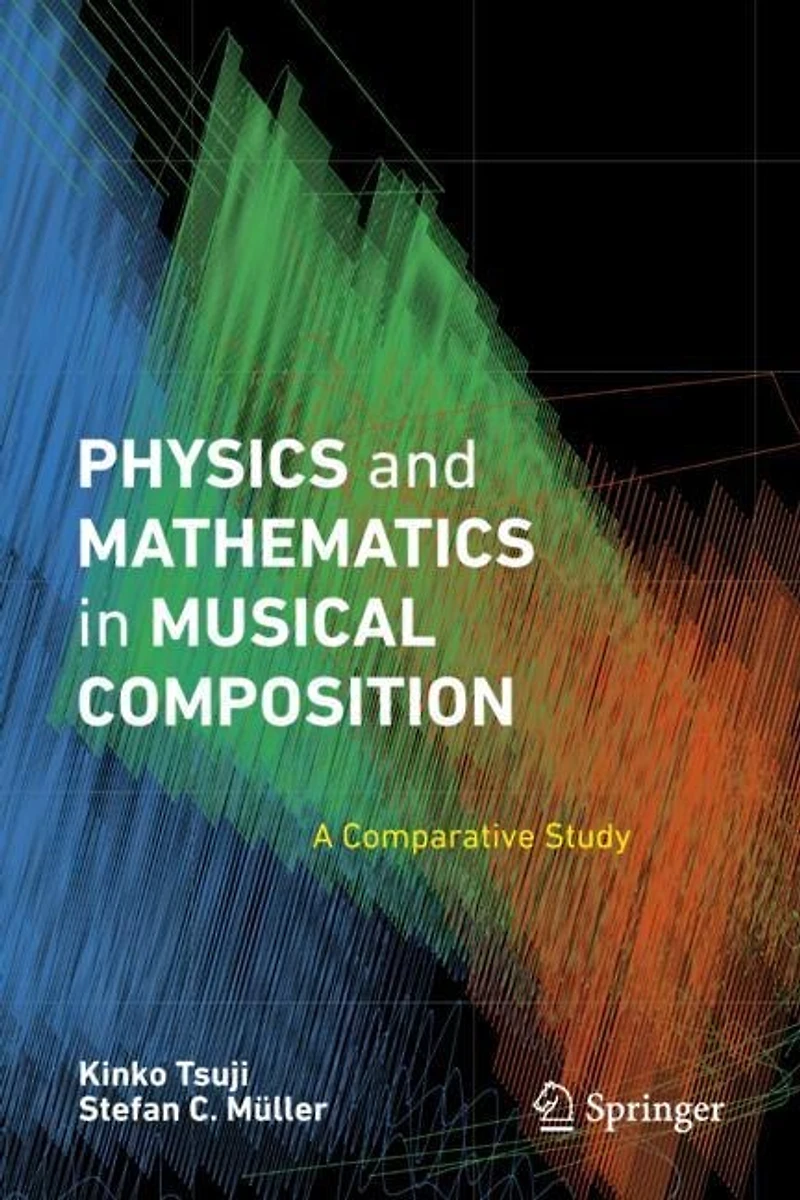
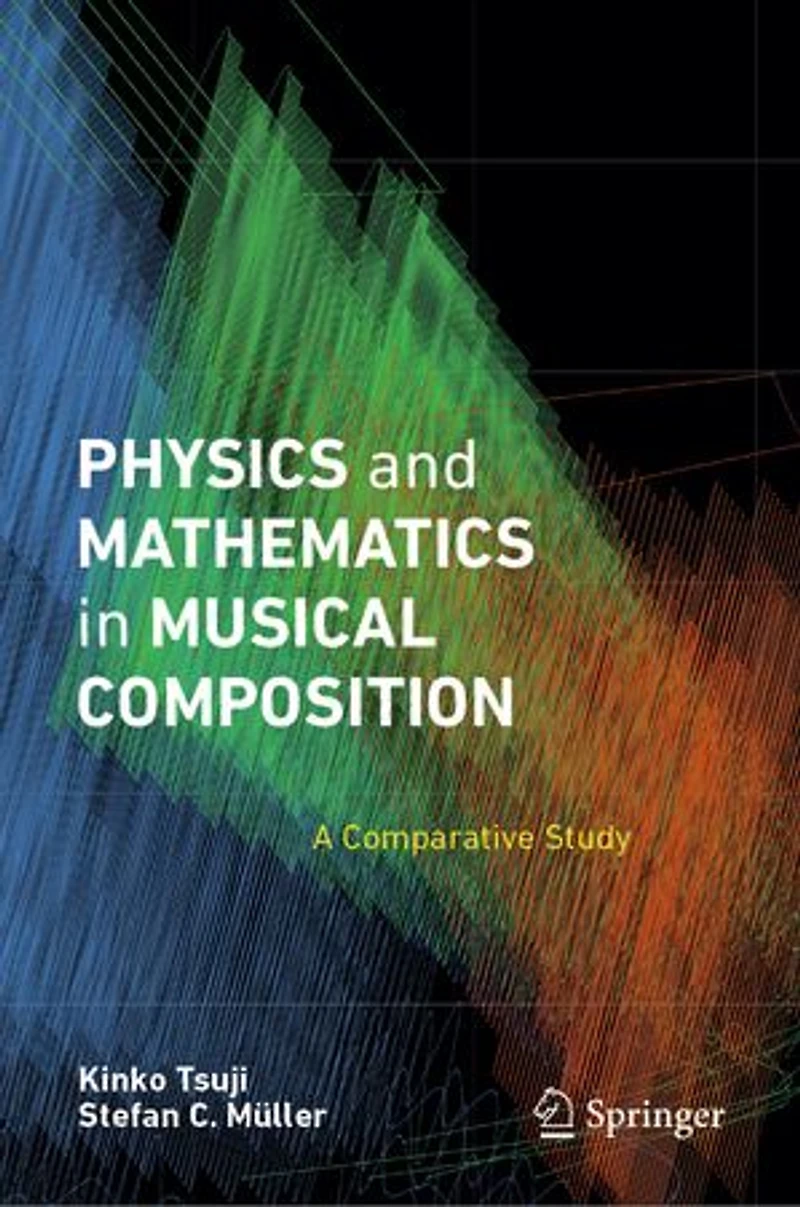
Physics and Mathematics Musical Composition: A Comparative Study in Ottawa, ON
Current price: $87.95

Physics and Mathematics Musical Composition: A Comparative Study in Ottawa, ON
Current price: $87.95
Loading Inventory...
Size: Hardcover
*Product information may vary - to confirm product availability, pricing, shipping and return information please contact Coles
How is music born? Is music made by humans or does it already exist and wait to be found? How do composers create (or ï¬nd) music? Having these questions in mind the authors ask more questions: How can we share our feelings with other people when listening to music? Can these be visualized? Why did Helmholtz have a problem with the third? Why is precise tuning so important in European music and less so in other cultures? What are the differences among the continents? What makes dissonant tone intervals uncomfortable in many cases? What enables us to distinguish the music of Mozart from that of Beethoven? Why are we fascinated by birdsong? Why does some music survive, whereas other just disappears? And finally, along which lines will music develop in the future? Drawing upon physics and mathematics, the authors search for answers to these questions and attempt to unravel in some depth the enigmas of how our minds are affected by the perception of music.
How is music born? Is music made by humans or does it already exist and wait to be found? How do composers create (or ï¬nd) music? Having these questions in mind the authors ask more questions: How can we share our feelings with other people when listening to music? Can these be visualized? Why did Helmholtz have a problem with the third? Why is precise tuning so important in European music and less so in other cultures? What are the differences among the continents? What makes dissonant tone intervals uncomfortable in many cases? What enables us to distinguish the music of Mozart from that of Beethoven? Why are we fascinated by birdsong? Why does some music survive, whereas other just disappears? And finally, along which lines will music develop in the future? Drawing upon physics and mathematics, the authors search for answers to these questions and attempt to unravel in some depth the enigmas of how our minds are affected by the perception of music.
You May Also Like












More About Coles at Bayshore Shopping Centre
Coles is renowned for its outstanding customer service and great selection of books. Along with the vast array of magazines, stationary, audio-books, children's literature, fiction, non-fiction and reference books, you can find accessories to make your reading experience more pleasurable. We can recommend the very best in reading today. We will help you search our titles for exactly what you need, and if we do not have it in stock, we will order it for you.
100 Bayshore Dr, Nepean, ON K2B 8C1, Canada
Find Coles at Bayshore Shopping Centre in Ottawa, ON
Visit Coles at Bayshore Shopping Centre in Ottawa, ON