

Give the Gift of Choice!
Too many options? Treat your friends and family to their favourite stores with a Bayshore Shopping Centre gift card, redeemable at participating retailers throughout the centre. Click below to purchase yours today!Purchase HereHome
Place Research: Theory, Methodology, and Methods
Coles
Loading Inventory...
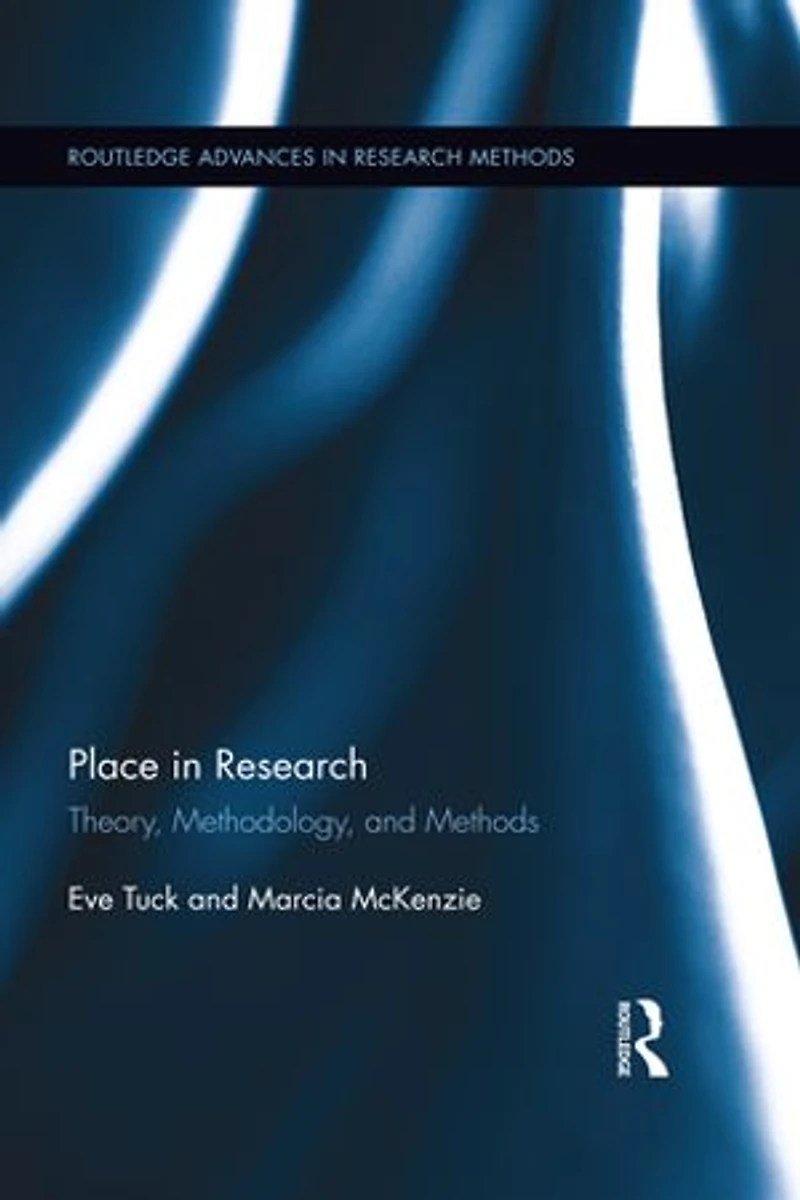
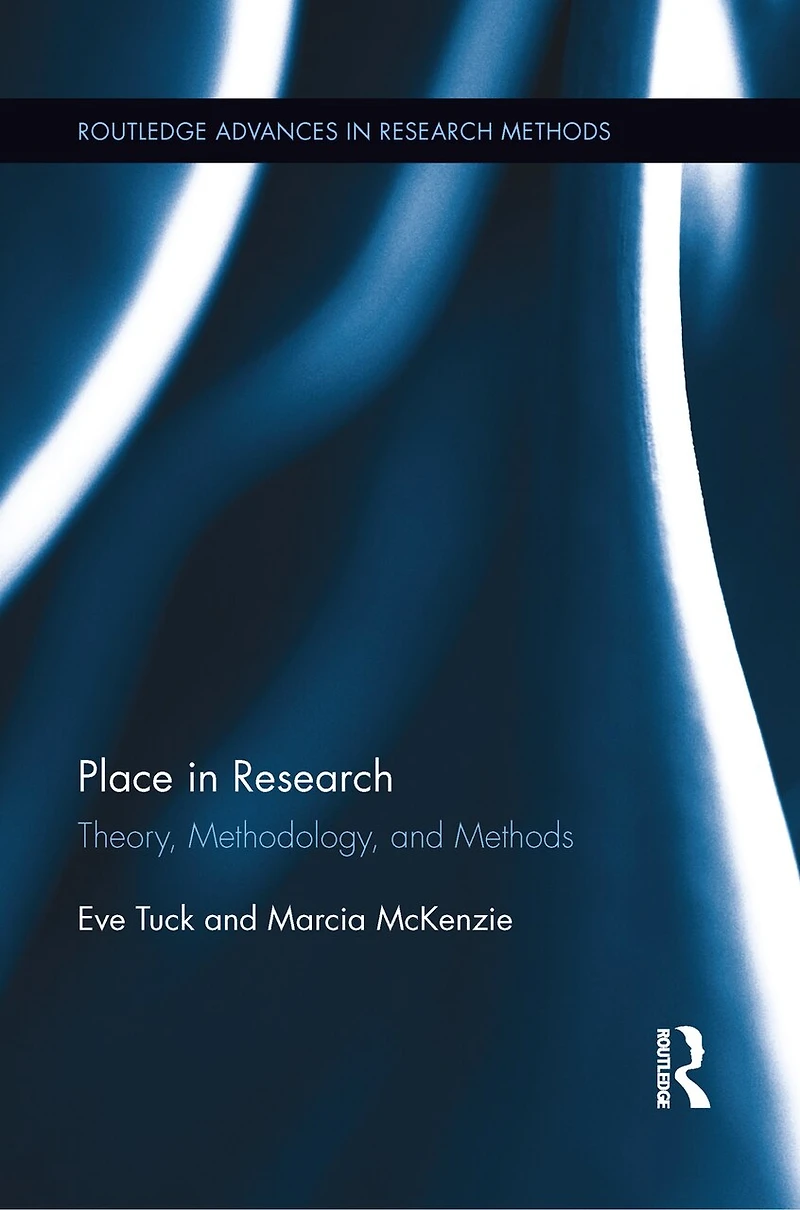
Place Research: Theory, Methodology, and Methods in Ottawa, ON
Current price: $90.92

Place Research: Theory, Methodology, and Methods in Ottawa, ON
Current price: $90.92
Loading Inventory...
Size: Kobo eBook
*Product information may vary - to confirm product availability, pricing, shipping and return information please contact Coles
Bridging environmental and Indigenous studies and drawing on critical geography, spatial theory, new materialist theory, and decolonizing theory, this dynamic volume examines the sometimes overlooked significance of place in social science research. There are often important divergences and even competing logics at work in these areas of research, some which may indeed be incommensurable. This volume explores how researchers around the globe are coming to terms - both theoretically and practically - with place in the context of settler colonialism, globalization, and environmental degradation. Tuck and McKenzie outline a trajectory of critical place inquiry that not only furthers empirical knowledge, but ethically imagines new possibilities for collaboration and action. Critical place inquiry can involve a range of research methodologies; this volume argues that what matters is how the chosen methodology engages conceptually with place in order to mobilize methods that enable data collection and analyses that address place explicitly and politically. Unlike other approaches that attempt to superficially tag on Indigenous concerns, decolonizing conceptualizations of land and place and Indigenous methods are central, not peripheral, to practices of critical place inquiry.
Bridging environmental and Indigenous studies and drawing on critical geography, spatial theory, new materialist theory, and decolonizing theory, this dynamic volume examines the sometimes overlooked significance of place in social science research. There are often important divergences and even competing logics at work in these areas of research, some which may indeed be incommensurable. This volume explores how researchers around the globe are coming to terms - both theoretically and practically - with place in the context of settler colonialism, globalization, and environmental degradation. Tuck and McKenzie outline a trajectory of critical place inquiry that not only furthers empirical knowledge, but ethically imagines new possibilities for collaboration and action. Critical place inquiry can involve a range of research methodologies; this volume argues that what matters is how the chosen methodology engages conceptually with place in order to mobilize methods that enable data collection and analyses that address place explicitly and politically. Unlike other approaches that attempt to superficially tag on Indigenous concerns, decolonizing conceptualizations of land and place and Indigenous methods are central, not peripheral, to practices of critical place inquiry.
You May Also Like










More About Coles at Bayshore Shopping Centre
Coles is renowned for its outstanding customer service and great selection of books. Along with the vast array of magazines, stationary, audio-books, children's literature, fiction, non-fiction and reference books, you can find accessories to make your reading experience more pleasurable. We can recommend the very best in reading today. We will help you search our titles for exactly what you need, and if we do not have it in stock, we will order it for you.
100 Bayshore Dr, Nepean, ON K2B 8C1, Canada
Find Coles at Bayshore Shopping Centre in Ottawa, ON
Visit Coles at Bayshore Shopping Centre in Ottawa, ON