

Give the Gift of Choice!
Too many options? Treat your friends and family to their favourite stores with a Bayshore Shopping Centre gift card, redeemable at participating retailers throughout the centre. Click below to purchase yours today!Purchase HereHome
Planning for Climate Change: Green Infrastructure and Sustainable Design (Volume II)
Coles
Loading Inventory...
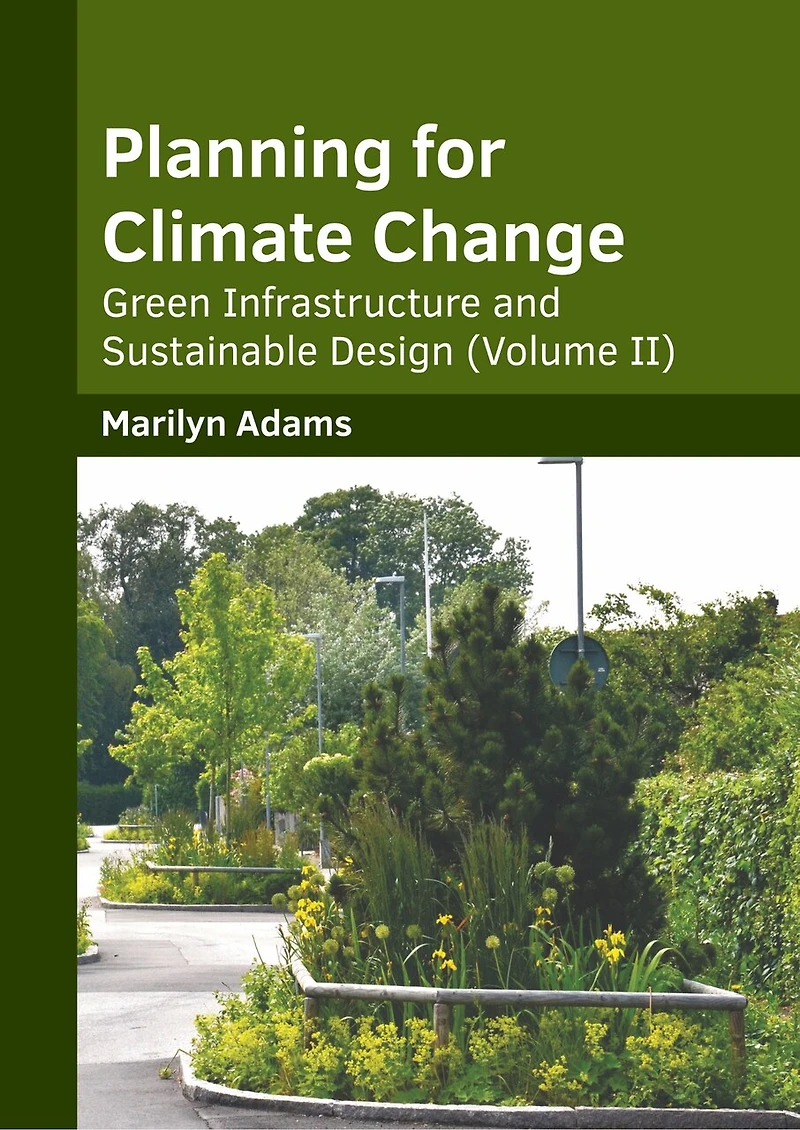
Planning for Climate Change: Green Infrastructure and Sustainable Design (Volume II) in Ottawa, ON
Current price: $223.03

Planning for Climate Change: Green Infrastructure and Sustainable Design (Volume II) in Ottawa, ON
Current price: $223.03
Loading Inventory...
Size: Hardcover
*Product information may vary - to confirm product availability, pricing, shipping and return information please contact Coles
Climate change refers to the long-term changes in weather patterns and temperature. These changes could be caused by natural processes, such as deviations in the solar cycle. Climate change can lead to various wide ranging issues such as high temperature, water and food shortages, increased diseases, economic loss, and increased flooding. Planning for climate change comprises methods for decreasing risks related with disasters, adaptation to current and expected environmental changes, and mitigation strategies for future climate change. This is primarily accomplished by lowering greenhouse gas emissions. Green infrastructure can help cities in adapting to climate change by regulating storm water runoff and minimizing the urban heat island effect. The development of sustainable urban planning is essential for combating climate change. In order to improve performance of built environment, sustainable design aims to reduce adverse effects on the environment, ensuring the comfort and health of the inhabitants. This book provides comprehensive insights on the role of green infrastructure and sustainable design in mitigating climate change. Those in search of information to further their knowledge will be greatly assisted by it.
Climate change refers to the long-term changes in weather patterns and temperature. These changes could be caused by natural processes, such as deviations in the solar cycle. Climate change can lead to various wide ranging issues such as high temperature, water and food shortages, increased diseases, economic loss, and increased flooding. Planning for climate change comprises methods for decreasing risks related with disasters, adaptation to current and expected environmental changes, and mitigation strategies for future climate change. This is primarily accomplished by lowering greenhouse gas emissions. Green infrastructure can help cities in adapting to climate change by regulating storm water runoff and minimizing the urban heat island effect. The development of sustainable urban planning is essential for combating climate change. In order to improve performance of built environment, sustainable design aims to reduce adverse effects on the environment, ensuring the comfort and health of the inhabitants. This book provides comprehensive insights on the role of green infrastructure and sustainable design in mitigating climate change. Those in search of information to further their knowledge will be greatly assisted by it.
You May Also Like








More About Coles at Bayshore Shopping Centre
Coles is renowned for its outstanding customer service and great selection of books. Along with the vast array of magazines, stationary, audio-books, children's literature, fiction, non-fiction and reference books, you can find accessories to make your reading experience more pleasurable. We can recommend the very best in reading today. We will help you search our titles for exactly what you need, and if we do not have it in stock, we will order it for you.
100 Bayshore Dr, Nepean, ON K2B 8C1, Canada
Find Coles at Bayshore Shopping Centre in Ottawa, ON
Visit Coles at Bayshore Shopping Centre in Ottawa, ON