

Give the Gift of Choice!
Too many options? Treat your friends and family to their favourite stores with a Bayshore Shopping Centre gift card, redeemable at participating retailers throughout the centre. Click below to purchase yours today!Purchase HereHome
Plant-Based Diets: Working towards a Sustainable Future
Coles
Loading Inventory...
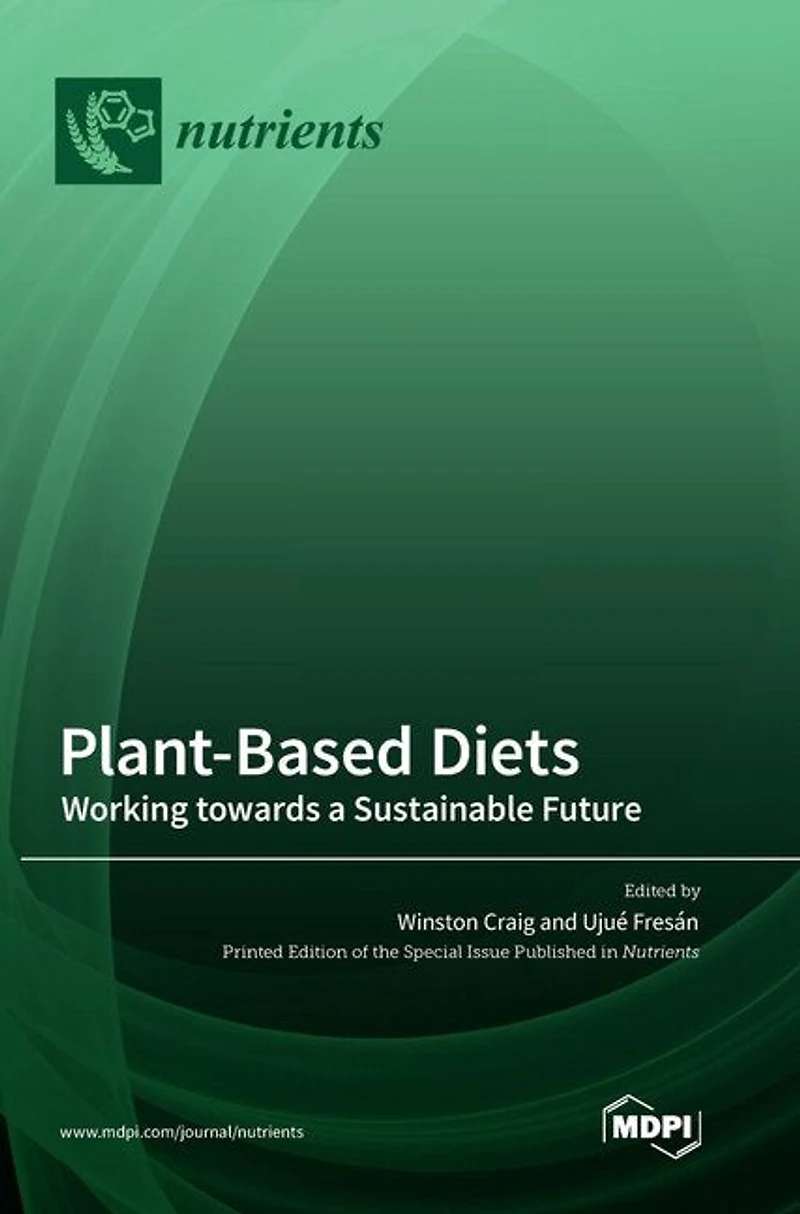
Plant-Based Diets: Working towards a Sustainable Future in Ottawa, ON
Current price: $94.44

Plant-Based Diets: Working towards a Sustainable Future in Ottawa, ON
Current price: $94.44
Loading Inventory...
Size: Hardcover
*Product information may vary - to confirm product availability, pricing, shipping and return information please contact Coles
Consumer interest in plant-based diets has been rapidly increasing in the past decade. Non-dairy and non-meat alternatives have gone mainstream. New products are appearing in the marketplace continually. The marketplace has been driven recently by millennials and flexitarians. Food companies have focused on providing nutritious food products that satisfy the demand for alternative items that look and taste like their animal counterparts. The marketplace wants products that improve human and planetary health worldwide. Questions have arisen as to how nutritionally sound and healthy are these products. How sustainable are these plant-based diets? How significantly do they alter traditional dietary patterns? What impact do they have on food security? Do these plant-based meat and dairy alternatives help lessen environmental degradation? Are the new products considered ultra-processed foods? What are the barriers and motivations that drive people to switch to a plant-based diet? Will plant-based diets help in the goal to greatly diminish malnutrition and over-nutrition (leading to obesity) around the world? These questions challenge scientists to provide meaningful answers through their ongoing research. Some of these issues are discussed in this reprint, based upon the latest research.
Consumer interest in plant-based diets has been rapidly increasing in the past decade. Non-dairy and non-meat alternatives have gone mainstream. New products are appearing in the marketplace continually. The marketplace has been driven recently by millennials and flexitarians. Food companies have focused on providing nutritious food products that satisfy the demand for alternative items that look and taste like their animal counterparts. The marketplace wants products that improve human and planetary health worldwide. Questions have arisen as to how nutritionally sound and healthy are these products. How sustainable are these plant-based diets? How significantly do they alter traditional dietary patterns? What impact do they have on food security? Do these plant-based meat and dairy alternatives help lessen environmental degradation? Are the new products considered ultra-processed foods? What are the barriers and motivations that drive people to switch to a plant-based diet? Will plant-based diets help in the goal to greatly diminish malnutrition and over-nutrition (leading to obesity) around the world? These questions challenge scientists to provide meaningful answers through their ongoing research. Some of these issues are discussed in this reprint, based upon the latest research.
You May Also Like














More About Coles at Bayshore Shopping Centre
Coles is renowned for its outstanding customer service and great selection of books. Along with the vast array of magazines, stationary, audio-books, children's literature, fiction, non-fiction and reference books, you can find accessories to make your reading experience more pleasurable. We can recommend the very best in reading today. We will help you search our titles for exactly what you need, and if we do not have it in stock, we will order it for you.
100 Bayshore Dr, Nepean, ON K2B 8C1, Canada
Find Coles at Bayshore Shopping Centre in Ottawa, ON
Visit Coles at Bayshore Shopping Centre in Ottawa, ON