

Give the Gift of Choice!
Too many options? Treat your friends and family to their favourite stores with a Bayshore Shopping Centre gift card, redeemable at participating retailers throughout the centre. Click below to purchase yours today!Purchase HereHome
Plant DNA Barcodes, Community Ecology, and Species Interactions
Coles
Loading Inventory...
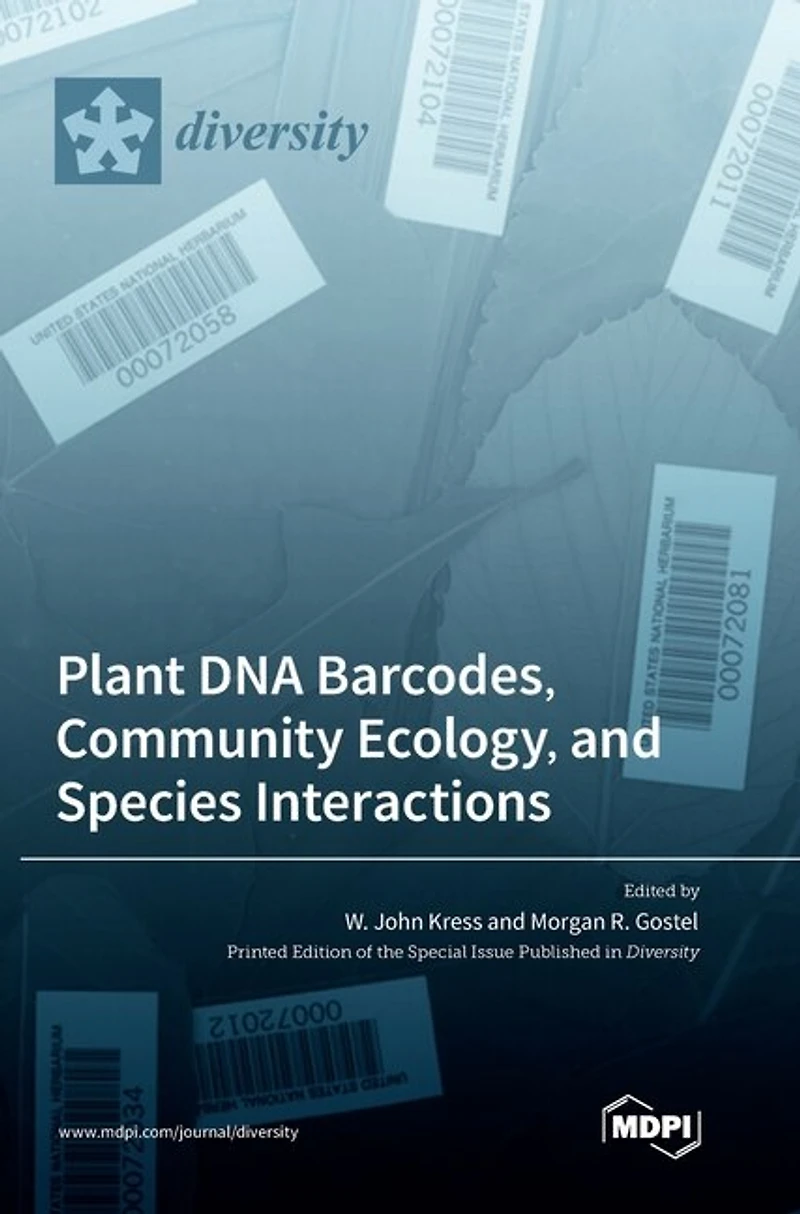
Plant DNA Barcodes, Community Ecology, and Species Interactions in Ottawa, ON
Current price: $94.44

Plant DNA Barcodes, Community Ecology, and Species Interactions in Ottawa, ON
Current price: $94.44
Loading Inventory...
Size: Hardcover
*Product information may vary - to confirm product availability, pricing, shipping and return information please contact Coles
The community of biologists has been eager to realize the promise of DNA barcodes since the concept was first proposed in 2003. As we approach twenty years of DNA barcoding, their application continues to increase, and methods continue to be developed that utilize this ever-expanding resource for multiple fields of biology. The nearly ten million DNA barcodes available today provide a database that is especially useful for ecology and evolutionary biology. Thanks to these large and well-curated DNA barcode resources, fundamental biological questions can be more rigorously addressed regarding community evolution, assembly, herbivory, pollination, and species interactions across and among diverse habitats and organisms, including plants, animals, fungi, and microorganisms. This reprint illustrates the wide variety of applications of DNA barcodes, especially in plants, to tackle research topics in ecology, evolutionary biology, plant-animal interactions, taxonomy, conservation, and ethnobotany.
The community of biologists has been eager to realize the promise of DNA barcodes since the concept was first proposed in 2003. As we approach twenty years of DNA barcoding, their application continues to increase, and methods continue to be developed that utilize this ever-expanding resource for multiple fields of biology. The nearly ten million DNA barcodes available today provide a database that is especially useful for ecology and evolutionary biology. Thanks to these large and well-curated DNA barcode resources, fundamental biological questions can be more rigorously addressed regarding community evolution, assembly, herbivory, pollination, and species interactions across and among diverse habitats and organisms, including plants, animals, fungi, and microorganisms. This reprint illustrates the wide variety of applications of DNA barcodes, especially in plants, to tackle research topics in ecology, evolutionary biology, plant-animal interactions, taxonomy, conservation, and ethnobotany.
You May Also Like








More About Coles at Bayshore Shopping Centre
Coles is renowned for its outstanding customer service and great selection of books. Along with the vast array of magazines, stationary, audio-books, children's literature, fiction, non-fiction and reference books, you can find accessories to make your reading experience more pleasurable. We can recommend the very best in reading today. We will help you search our titles for exactly what you need, and if we do not have it in stock, we will order it for you.
100 Bayshore Dr, Nepean, ON K2B 8C1, Canada
Find Coles at Bayshore Shopping Centre in Ottawa, ON
Visit Coles at Bayshore Shopping Centre in Ottawa, ON