

Give the Gift of Choice!
Too many options? Treat your friends and family to their favourite stores with a Bayshore Shopping Centre gift card, redeemable at participating retailers throughout the centre. Click below to purchase yours today!Purchase HereHome
Poetry, Politics and Polemics: Cultural transfer between the Iberian peninsula and North Africa
Coles
Loading Inventory...
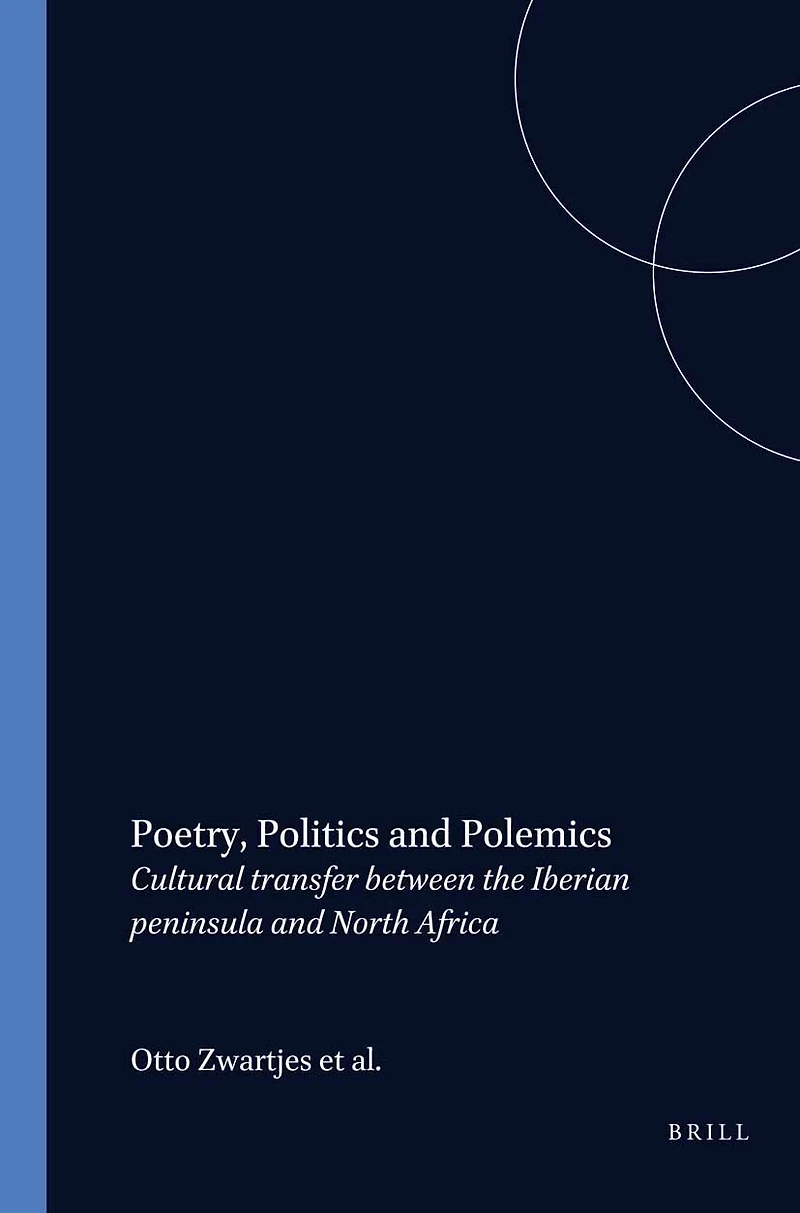
Poetry, Politics and Polemics: Cultural transfer between the Iberian peninsula and North Africa in Ottawa, ON
Current price: $193.95

Poetry, Politics and Polemics: Cultural transfer between the Iberian peninsula and North Africa in Ottawa, ON
Current price: $193.95
Loading Inventory...
Size: Paperback
*Product information may vary - to confirm product availability, pricing, shipping and return information please contact Coles
It is an established historical fact that both sides of the Straits of Gibraltar formed a cultural unity in many different periods. After the military success of Mûs_ ib Nusayr, Islam broght unity to Arabs and many Berber tribes in the Maghrib, but the struggle for independence and the adoption of the eastern Khârijî doctrine always caused struggles. It is a well known fact that the contingent of Berbers among the Muslims of al-Andalus outnumbered considerably the inhabitants from Arab origin. After the decline and collapse of the Umayyads and Hammûdids in al-Andalus, various Berger dynasties seized their power and founded many different kingdoms (Taifas, from Arabic mulûk al-tawâ'if). Arab Andalusi culture flourished, which can be demonstrated by the fact that Arabic became the most important language of the Iberian Peninsula under Muslim rule. On the other hand, large numbers of Andalusis emigrated to the Maghrib in many different periods. Already in the first centuries of Islamic spain, many Andalusis settled in North Africa. These Andalusis fled as a consequence of the drought, or were expelled for having collaborated against the regime or were forced to leave the Peninsula by the Christian Reconquista. Mutual migrations and political unity led to the exchange of many cultural phenomena between the two sides of the Straits. This fourth issue of Orientations focuses on some aspects of the ‘cultural transfer between al-Andalus and North Africa,' and particularly deals with some aspects of Poetry, Politics and Polemics from the eleventeenth to the seventeenth century.
It is an established historical fact that both sides of the Straits of Gibraltar formed a cultural unity in many different periods. After the military success of Mûs_ ib Nusayr, Islam broght unity to Arabs and many Berber tribes in the Maghrib, but the struggle for independence and the adoption of the eastern Khârijî doctrine always caused struggles. It is a well known fact that the contingent of Berbers among the Muslims of al-Andalus outnumbered considerably the inhabitants from Arab origin. After the decline and collapse of the Umayyads and Hammûdids in al-Andalus, various Berger dynasties seized their power and founded many different kingdoms (Taifas, from Arabic mulûk al-tawâ'if). Arab Andalusi culture flourished, which can be demonstrated by the fact that Arabic became the most important language of the Iberian Peninsula under Muslim rule. On the other hand, large numbers of Andalusis emigrated to the Maghrib in many different periods. Already in the first centuries of Islamic spain, many Andalusis settled in North Africa. These Andalusis fled as a consequence of the drought, or were expelled for having collaborated against the regime or were forced to leave the Peninsula by the Christian Reconquista. Mutual migrations and political unity led to the exchange of many cultural phenomena between the two sides of the Straits. This fourth issue of Orientations focuses on some aspects of the ‘cultural transfer between al-Andalus and North Africa,' and particularly deals with some aspects of Poetry, Politics and Polemics from the eleventeenth to the seventeenth century.
You May Also Like










More About Coles at Bayshore Shopping Centre
Coles is renowned for its outstanding customer service and great selection of books. Along with the vast array of magazines, stationary, audio-books, children's literature, fiction, non-fiction and reference books, you can find accessories to make your reading experience more pleasurable. We can recommend the very best in reading today. We will help you search our titles for exactly what you need, and if we do not have it in stock, we will order it for you.
100 Bayshore Dr, Nepean, ON K2B 8C1, Canada
Find Coles at Bayshore Shopping Centre in Ottawa, ON
Visit Coles at Bayshore Shopping Centre in Ottawa, ON