

Give the Gift of Choice!
Too many options? Treat your friends and family to their favourite stores with a Bayshore Shopping Centre gift card, redeemable at participating retailers throughout the centre. Click below to purchase yours today!Purchase HereHome
Poisoned Relations: Healing, Power, and Contested Knowledge in the Atlantic World
Coles
Loading Inventory...
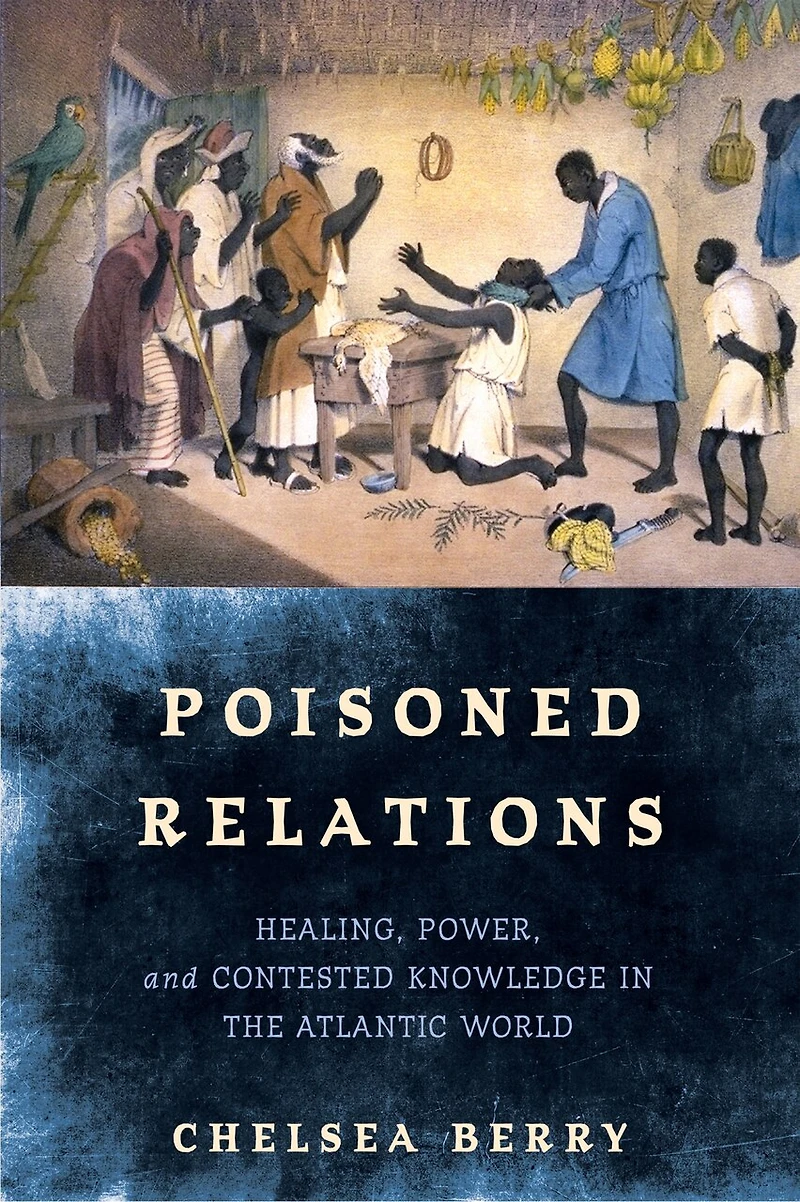
Poisoned Relations: Healing, Power, and Contested Knowledge in the Atlantic World in Ottawa, ON
Current price: $64.99

Poisoned Relations: Healing, Power, and Contested Knowledge in the Atlantic World in Ottawa, ON
Current price: $64.99
Loading Inventory...
Size: Hardcover
*Product information may vary - to confirm product availability, pricing, shipping and return information please contact Coles
Illuminates the competing understandings of poison and power in the Atlantic world
By the time of the opening of the Atlantic world in the fifteenth century, Europeans and Atlantic Africans had developed significantly different cultural idioms for and understandings of poison. Europeans considered poison a gendered “weapon of the weak” while Africans viewed it as an abuse by the powerful. Though distinct, both idioms centered on fraught power relationships. When translated to the slave societies of the Americas, these understandings sometimes clashed in conflicting interpretations of alleged poisoning events.
In Poisoned Relations , Chelsea Berry illuminates the competing understandings of poison and power in the Atlantic World. Poison was connected to central concerns of life: to the well-being in this world for oneself and one’s relatives; to the morality and use of power; and to the fraught relationships that bound people together. The social and relational nature of ideas about poison meant that the power struggles that emerged in poison cases, while unfolding in the extreme context of slavery, were not solely between enslavers and the enslaved—they also involved social conflict within enslaved communities.
Poisoned Relations examines more than five hundred investigations and trials in four colonial contexts—British Virginia, French Martinique, Portuguese Bahia, and the Dutch Guianas—bringing a groundbreaking application of historical linguistics to bear on the study of the African diaspora in the Americas. Illuminating competing understandings of poison and power in this way, Berry opens new avenues of evidence through which to navigate the violence of colonial archival silences.
Illuminates the competing understandings of poison and power in the Atlantic world
By the time of the opening of the Atlantic world in the fifteenth century, Europeans and Atlantic Africans had developed significantly different cultural idioms for and understandings of poison. Europeans considered poison a gendered “weapon of the weak” while Africans viewed it as an abuse by the powerful. Though distinct, both idioms centered on fraught power relationships. When translated to the slave societies of the Americas, these understandings sometimes clashed in conflicting interpretations of alleged poisoning events.
In Poisoned Relations , Chelsea Berry illuminates the competing understandings of poison and power in the Atlantic World. Poison was connected to central concerns of life: to the well-being in this world for oneself and one’s relatives; to the morality and use of power; and to the fraught relationships that bound people together. The social and relational nature of ideas about poison meant that the power struggles that emerged in poison cases, while unfolding in the extreme context of slavery, were not solely between enslavers and the enslaved—they also involved social conflict within enslaved communities.
Poisoned Relations examines more than five hundred investigations and trials in four colonial contexts—British Virginia, French Martinique, Portuguese Bahia, and the Dutch Guianas—bringing a groundbreaking application of historical linguistics to bear on the study of the African diaspora in the Americas. Illuminating competing understandings of poison and power in this way, Berry opens new avenues of evidence through which to navigate the violence of colonial archival silences.
You May Also Like







More About Coles at Bayshore Shopping Centre
Coles is renowned for its outstanding customer service and great selection of books. Along with the vast array of magazines, stationary, audio-books, children's literature, fiction, non-fiction and reference books, you can find accessories to make your reading experience more pleasurable. We can recommend the very best in reading today. We will help you search our titles for exactly what you need, and if we do not have it in stock, we will order it for you.
100 Bayshore Dr, Nepean, ON K2B 8C1, Canada
Find Coles at Bayshore Shopping Centre in Ottawa, ON
Visit Coles at Bayshore Shopping Centre in Ottawa, ON