

Give the Gift of Choice!
Too many options? Treat your friends and family to their favourite stores with a Bayshore Shopping Centre gift card, redeemable at participating retailers throughout the centre. Click below to purchase yours today!Purchase HereHome
Police Corruption Comparative Perspective: Building Trust the India and China
Coles
Loading Inventory...
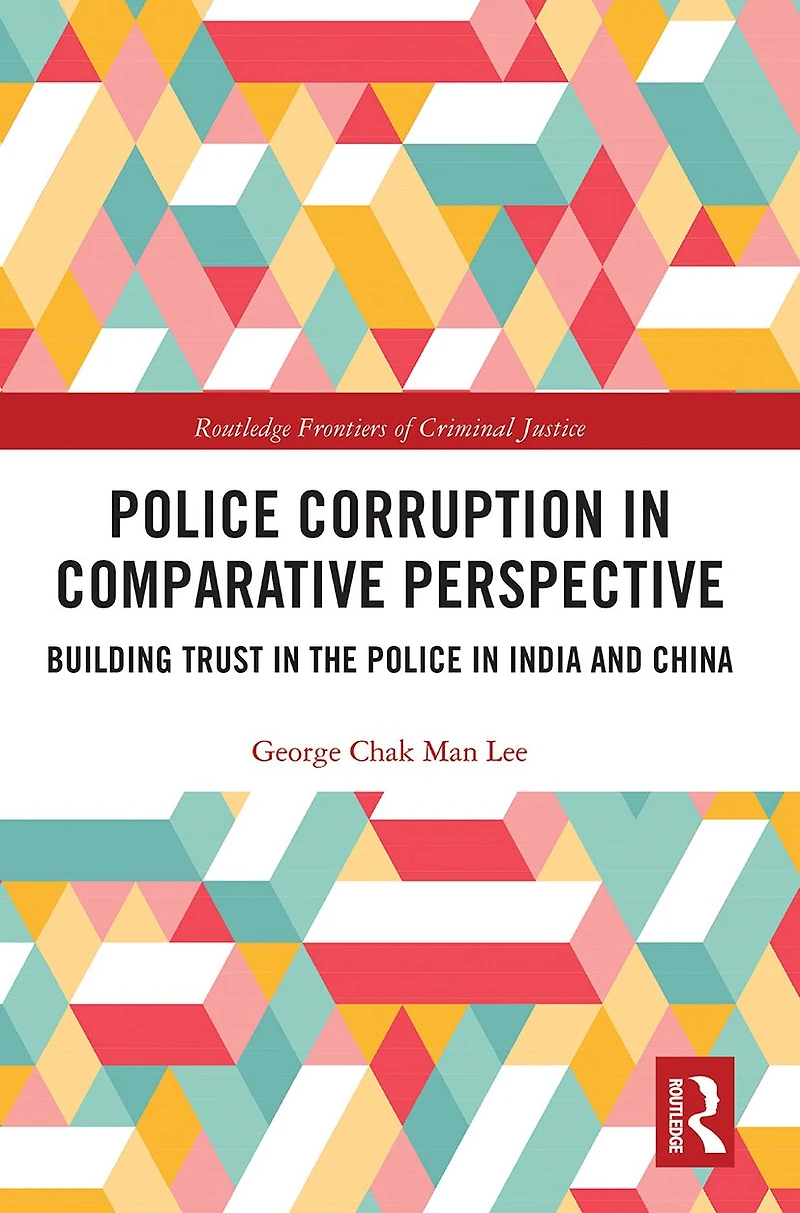
Police Corruption Comparative Perspective: Building Trust the India and China in Ottawa, ON
Current price: $81.42

Police Corruption Comparative Perspective: Building Trust the India and China in Ottawa, ON
Current price: $81.42
Loading Inventory...
Size: Kobo eBook
*Product information may vary - to confirm product availability, pricing, shipping and return information please contact Coles
How has rapid economic modernization in China and India impacted upon policing? To what extent are the two police forces trusted by its citizens? Do the police carry out their duties in a fair and unbiased fashion? What does police corruption look like and why does it persist? And what are the influencing factors in decision-making at the moments-of-truth? Filling the lacuna of research into the police in China and India, this book offers a unique comparative study of the prevalence, nature and organization of police corruption in these countries.
This book provides key insights into the relationships between rapid economic modernisation, urbanisation and crime, and its effects on police organisational culture and behaviour as well as on ethical decision making. Moreover, this book performs an audit on which country is better placed to tackle corruption and professionalise their police service.
It offers a major contribution to comparative research on criminal justice. It is essential reading for all policing scholars and will be of interest to students of criminology, social and political sciences, development studies, Asian studies, and post-colonial studies.
How has rapid economic modernization in China and India impacted upon policing? To what extent are the two police forces trusted by its citizens? Do the police carry out their duties in a fair and unbiased fashion? What does police corruption look like and why does it persist? And what are the influencing factors in decision-making at the moments-of-truth? Filling the lacuna of research into the police in China and India, this book offers a unique comparative study of the prevalence, nature and organization of police corruption in these countries.
This book provides key insights into the relationships between rapid economic modernisation, urbanisation and crime, and its effects on police organisational culture and behaviour as well as on ethical decision making. Moreover, this book performs an audit on which country is better placed to tackle corruption and professionalise their police service.
It offers a major contribution to comparative research on criminal justice. It is essential reading for all policing scholars and will be of interest to students of criminology, social and political sciences, development studies, Asian studies, and post-colonial studies.
You May Also Like







More About Coles at Bayshore Shopping Centre
Coles is renowned for its outstanding customer service and great selection of books. Along with the vast array of magazines, stationary, audio-books, children's literature, fiction, non-fiction and reference books, you can find accessories to make your reading experience more pleasurable. We can recommend the very best in reading today. We will help you search our titles for exactly what you need, and if we do not have it in stock, we will order it for you.
100 Bayshore Dr, Nepean, ON K2B 8C1, Canada
Find Coles at Bayshore Shopping Centre in Ottawa, ON
Visit Coles at Bayshore Shopping Centre in Ottawa, ON