

Give the Gift of Choice!
Too many options? Treat your friends and family to their favourite stores with a Bayshore Shopping Centre gift card, redeemable at participating retailers throughout the centre. Click below to purchase yours today!Purchase HereHome
Politeness the History of English: From Middle Ages to Present Day
Coles
Loading Inventory...
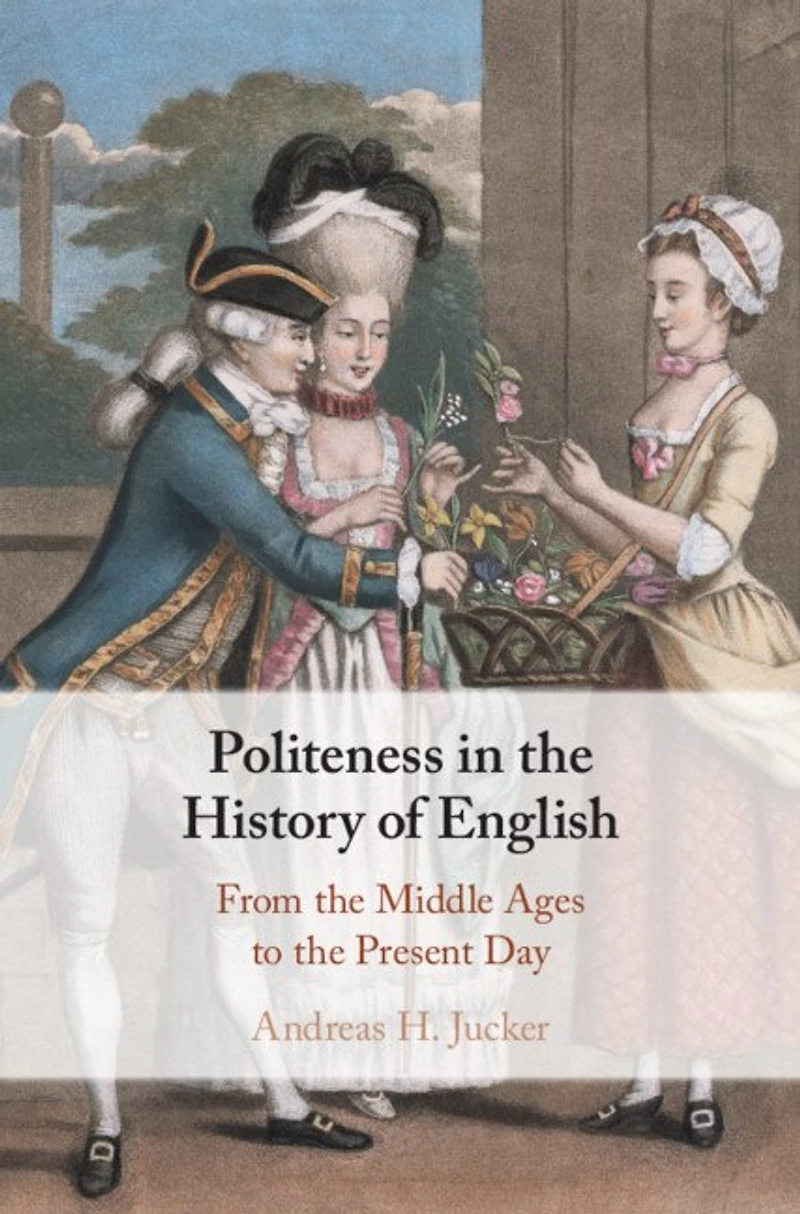
Politeness the History of English: From Middle Ages to Present Day in Ottawa, ON
Current price: $166.95

Politeness the History of English: From Middle Ages to Present Day in Ottawa, ON
Current price: $166.95
Loading Inventory...
Size: Hardcover
*Product information may vary - to confirm product availability, pricing, shipping and return information please contact Coles
The concept of politeness permeates all aspects of modern life and society. However, to what extent has this phenomenon changed over time? This book traces the elusive concept of politeness from its beginnings in the Middle Ages up to the present day. Detailed case studies of mostly literary texts provide insights into historically specific ways of being polite, from discernment politeness in Old English to recent examples, such as non-imposition politeness. Readers will gain a better understanding of both the folk-notion of politeness and specific scholarly definitions, and how these can be applied to historical data. The long diachrony provides a novel perspective both on the concept of politeness and on the history of the English language in its social context, making this essential reading for politeness specialists, cultural historians and historical linguists alike. Politeness emerges as a multifaceted phenomenon that is both culture-specific and history-specific.
The concept of politeness permeates all aspects of modern life and society. However, to what extent has this phenomenon changed over time? This book traces the elusive concept of politeness from its beginnings in the Middle Ages up to the present day. Detailed case studies of mostly literary texts provide insights into historically specific ways of being polite, from discernment politeness in Old English to recent examples, such as non-imposition politeness. Readers will gain a better understanding of both the folk-notion of politeness and specific scholarly definitions, and how these can be applied to historical data. The long diachrony provides a novel perspective both on the concept of politeness and on the history of the English language in its social context, making this essential reading for politeness specialists, cultural historians and historical linguists alike. Politeness emerges as a multifaceted phenomenon that is both culture-specific and history-specific.
You May Also Like













More About Coles at Bayshore Shopping Centre
Coles is renowned for its outstanding customer service and great selection of books. Along with the vast array of magazines, stationary, audio-books, children's literature, fiction, non-fiction and reference books, you can find accessories to make your reading experience more pleasurable. We can recommend the very best in reading today. We will help you search our titles for exactly what you need, and if we do not have it in stock, we will order it for you.
100 Bayshore Dr, Nepean, ON K2B 8C1, Canada
Find Coles at Bayshore Shopping Centre in Ottawa, ON
Visit Coles at Bayshore Shopping Centre in Ottawa, ON