

Give the Gift of Choice!
Too many options? Treat your friends and family to their favourite stores with a Bayshore Shopping Centre gift card, redeemable at participating retailers throughout the centre. Click below to purchase yours today!Purchase HereHome
Political Deference in a Democratic Age: British Politics and the Constitution from the Eighteenth Century to Brexit
Coles
Loading Inventory...
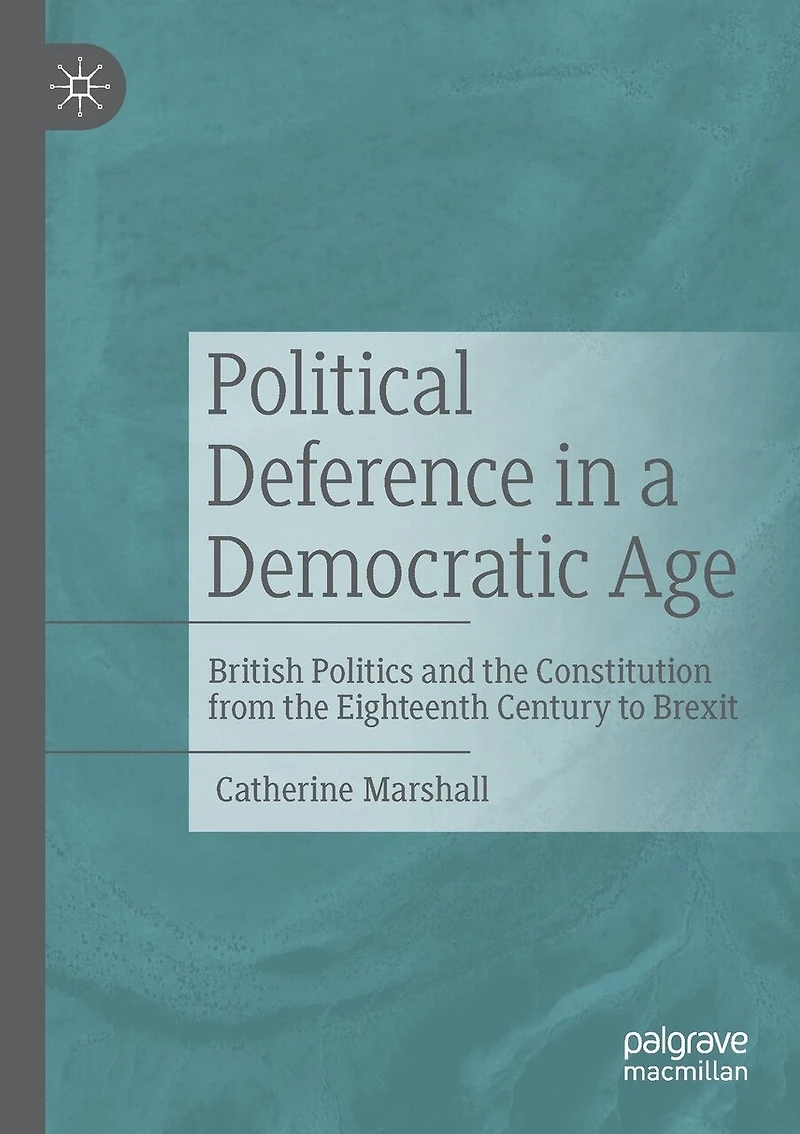
Political Deference in a Democratic Age: British Politics and the Constitution from the Eighteenth Century to Brexit in Ottawa, ON
Current price: $204.50

Political Deference in a Democratic Age: British Politics and the Constitution from the Eighteenth Century to Brexit in Ottawa, ON
Current price: $204.50
Loading Inventory...
Size: Paperback
*Product information may vary - to confirm product availability, pricing, shipping and return information please contact Coles
This book explores the concept of deference as used by historians and political scientists. Often confused and judged to be outdated, it shows how deference remains central to understanding British politics to the present day. This study aims to make sense of how political deference has functioned in different periods and how it has played a crucial role in legitimising British politics. It shows how deference sustained what are essentially English institutions, those which dominated the Union well into the second half of the twentieth century until the post-1997 constitutional transformations under New Labour. While many dismiss political and institutional deference as having died out, this book argues that a number of recent political decisions - including the vote in favour of Brexit in June 2016 - are the result of a deferential way of thinking that has persisted through the democratic changes of the twentieth century. Combining close readings of theoretical texts with analysesof specific legal changes and historical events, the book charts the development of deference from the eighteenth century through to the present day. Rather than offering a comprehensive history of deference, it picks out key moments that show the changing nature of deference, both as a concept and as a political force.
This book explores the concept of deference as used by historians and political scientists. Often confused and judged to be outdated, it shows how deference remains central to understanding British politics to the present day. This study aims to make sense of how political deference has functioned in different periods and how it has played a crucial role in legitimising British politics. It shows how deference sustained what are essentially English institutions, those which dominated the Union well into the second half of the twentieth century until the post-1997 constitutional transformations under New Labour. While many dismiss political and institutional deference as having died out, this book argues that a number of recent political decisions - including the vote in favour of Brexit in June 2016 - are the result of a deferential way of thinking that has persisted through the democratic changes of the twentieth century. Combining close readings of theoretical texts with analysesof specific legal changes and historical events, the book charts the development of deference from the eighteenth century through to the present day. Rather than offering a comprehensive history of deference, it picks out key moments that show the changing nature of deference, both as a concept and as a political force.
You May Also Like









More About Coles at Bayshore Shopping Centre
Coles is renowned for its outstanding customer service and great selection of books. Along with the vast array of magazines, stationary, audio-books, children's literature, fiction, non-fiction and reference books, you can find accessories to make your reading experience more pleasurable. We can recommend the very best in reading today. We will help you search our titles for exactly what you need, and if we do not have it in stock, we will order it for you.
100 Bayshore Dr, Nepean, ON K2B 8C1, Canada
Find Coles at Bayshore Shopping Centre in Ottawa, ON
Visit Coles at Bayshore Shopping Centre in Ottawa, ON