

Give the Gift of Choice!
Too many options? Treat your friends and family to their favourite stores with a Bayshore Shopping Centre gift card, redeemable at participating retailers throughout the centre. Click below to purchase yours today!Purchase HereHome
Political Leadership: Structure – Consciousness Emotions
Coles
Loading Inventory...
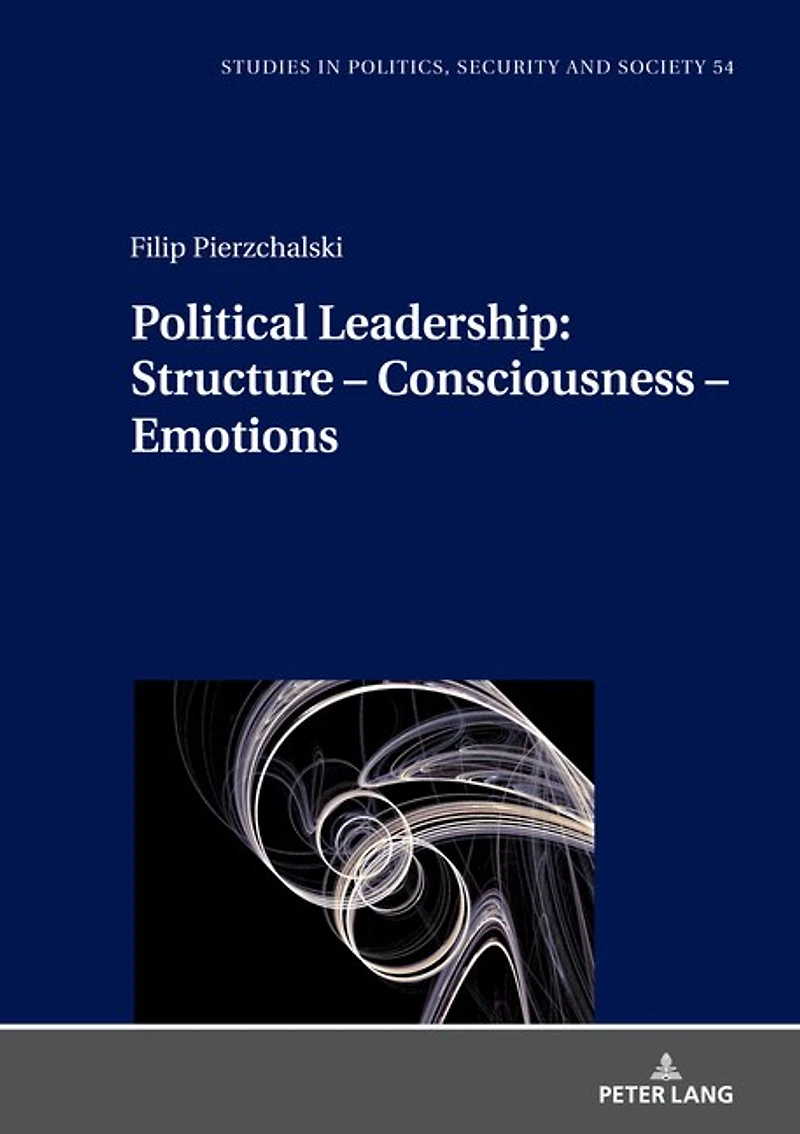
Political Leadership: Structure – Consciousness Emotions in Ottawa, ON
Current price: $59.75

Political Leadership: Structure – Consciousness Emotions in Ottawa, ON
Current price: $59.75
Loading Inventory...
Size: Hardcover
*Product information may vary - to confirm product availability, pricing, shipping and return information please contact Coles
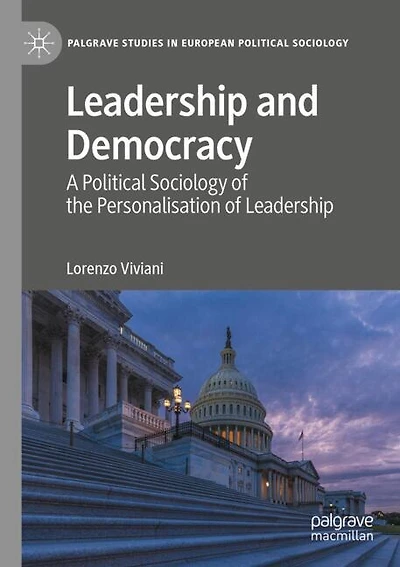
In modern political science, the phenomenon of political leadership is described and explained using diverse theoretical models, different analytical perspectives, or different research scales. Keeping in mind this theoretical and research pluralism, the author suggests applying an original integral explanatory strategy, which defines the relational leadership asymmetry between the leader and followers in terms of a dialectical subject–object relationship (co-determination); that is to say, in terms of a dynamic and complex political process in which the interdependencies and mutual influences of the leader and followers fall under analysis. In this sense, leadership is treated as a processual phenomenon in which the form, content, and shape of leadership depend not only on the talents, qualities, or abilities of the political leader, but also – and in a gradable manner – on the external environment and followers, their collective expectations, aspirations, goals, needs, etc.; or, speaking more broadly, the particular-political conditions in which the complex leadership mechanism takes place.
In modern political science, the phenomenon of political leadership is described and explained using diverse theoretical models, different analytical perspectives, or different research scales. Keeping in mind this theoretical and research pluralism, the author suggests applying an original integral explanatory strategy, which defines the relational leadership asymmetry between the leader and followers in terms of a dialectical subject–object relationship (co-determination); that is to say, in terms of a dynamic and complex political process in which the interdependencies and mutual influences of the leader and followers fall under analysis. In this sense, leadership is treated as a processual phenomenon in which the form, content, and shape of leadership depend not only on the talents, qualities, or abilities of the political leader, but also – and in a gradable manner – on the external environment and followers, their collective expectations, aspirations, goals, needs, etc.; or, speaking more broadly, the particular-political conditions in which the complex leadership mechanism takes place.
You May Also Like









More About Coles at Bayshore Shopping Centre
Coles is renowned for its outstanding customer service and great selection of books. Along with the vast array of magazines, stationary, audio-books, children's literature, fiction, non-fiction and reference books, you can find accessories to make your reading experience more pleasurable. We can recommend the very best in reading today. We will help you search our titles for exactly what you need, and if we do not have it in stock, we will order it for you.
100 Bayshore Dr, Nepean, ON K2B 8C1, Canada
Find Coles at Bayshore Shopping Centre in Ottawa, ON
Visit Coles at Bayshore Shopping Centre in Ottawa, ON