

Give the Gift of Choice!
Too many options? Treat your friends and family to their favourite stores with a Bayshore Shopping Centre gift card, redeemable at participating retailers throughout the centre. Click below to purchase yours today!Purchase HereHome
Pollination in Plants
Coles
Loading Inventory...
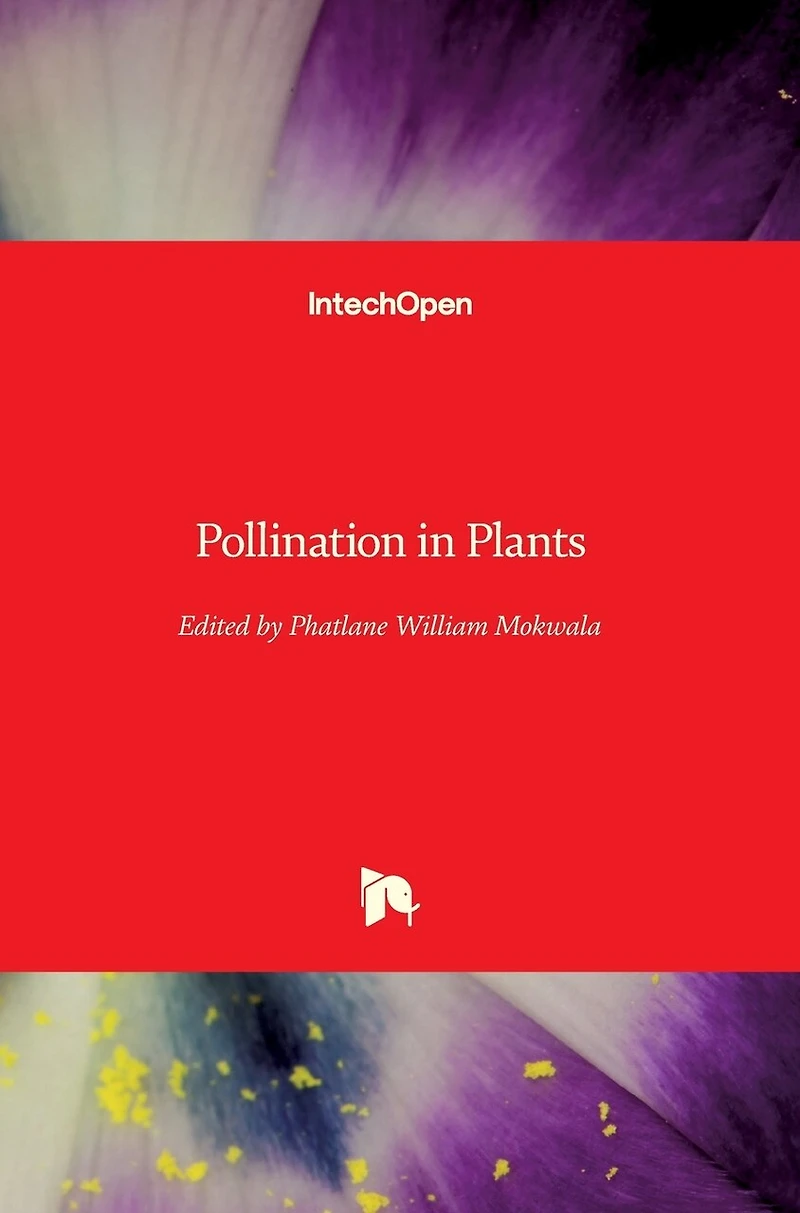
Pollination in Plants in Ottawa, ON
Current price: $201.50

Pollination in Plants in Ottawa, ON
Current price: $201.50
Loading Inventory...
Size: Hardcover
*Product information may vary - to confirm product availability, pricing, shipping and return information please contact Coles
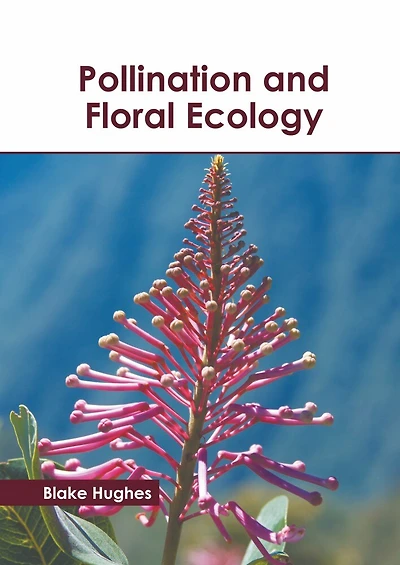
Plants are the basic source of food for both humans and animals. Most of the food is made of fruits and seeds. For these to be formed, pollination must first take place. This process is the transfer of pollen grains from the anther, which is the male structure of the flower, to the sigma on the female structure of the flower. The transfer process requires agents to be carried out. The agents can be either biotic or abiotic. Nature perfected this arrangement between the pollination agents and the plants. As ecosystems and agricultural systems are changing, this balanced arrangement becomes disturbed. This makes it necessary that pollination systems be studied so that necessary measures can be undertaken to ensure productivity. The chapters of this book present results in research undertaken to improve productivity in crops such as Actinidia chinensis (the kiwifruit), Theobroma cacao (cocoa), and Manicaria saccifera (a tropical forest palm). Some results are presented on tests to check the viability of pollen grains and the delivery of sperm cells through pollen tubes to the embryo sac. These results can serve as guidelines to any person seeking to improve pollination and productivity or to check the efficiency on pollination in ecosystems or agricultural production systems.
Plants are the basic source of food for both humans and animals. Most of the food is made of fruits and seeds. For these to be formed, pollination must first take place. This process is the transfer of pollen grains from the anther, which is the male structure of the flower, to the sigma on the female structure of the flower. The transfer process requires agents to be carried out. The agents can be either biotic or abiotic. Nature perfected this arrangement between the pollination agents and the plants. As ecosystems and agricultural systems are changing, this balanced arrangement becomes disturbed. This makes it necessary that pollination systems be studied so that necessary measures can be undertaken to ensure productivity. The chapters of this book present results in research undertaken to improve productivity in crops such as Actinidia chinensis (the kiwifruit), Theobroma cacao (cocoa), and Manicaria saccifera (a tropical forest palm). Some results are presented on tests to check the viability of pollen grains and the delivery of sperm cells through pollen tubes to the embryo sac. These results can serve as guidelines to any person seeking to improve pollination and productivity or to check the efficiency on pollination in ecosystems or agricultural production systems.







More About Coles at Bayshore Shopping Centre
Coles is renowned for its outstanding customer service and great selection of books. Along with the vast array of magazines, stationary, audio-books, children's literature, fiction, non-fiction and reference books, you can find accessories to make your reading experience more pleasurable. We can recommend the very best in reading today. We will help you search our titles for exactly what you need, and if we do not have it in stock, we will order it for you.
100 Bayshore Dr, Nepean, ON K2B 8C1, Canada
Find Coles at Bayshore Shopping Centre in Ottawa, ON
Visit Coles at Bayshore Shopping Centre in Ottawa, ON