

Give the Gift of Choice!
Too many options? Treat your friends and family to their favourite stores with a Bayshore Shopping Centre gift card, redeemable at participating retailers throughout the centre. Click below to purchase yours today!Purchase HereHome
Portfolio Management in Continuous Time: Numerical Applications in R and Python
Coles
Loading Inventory...
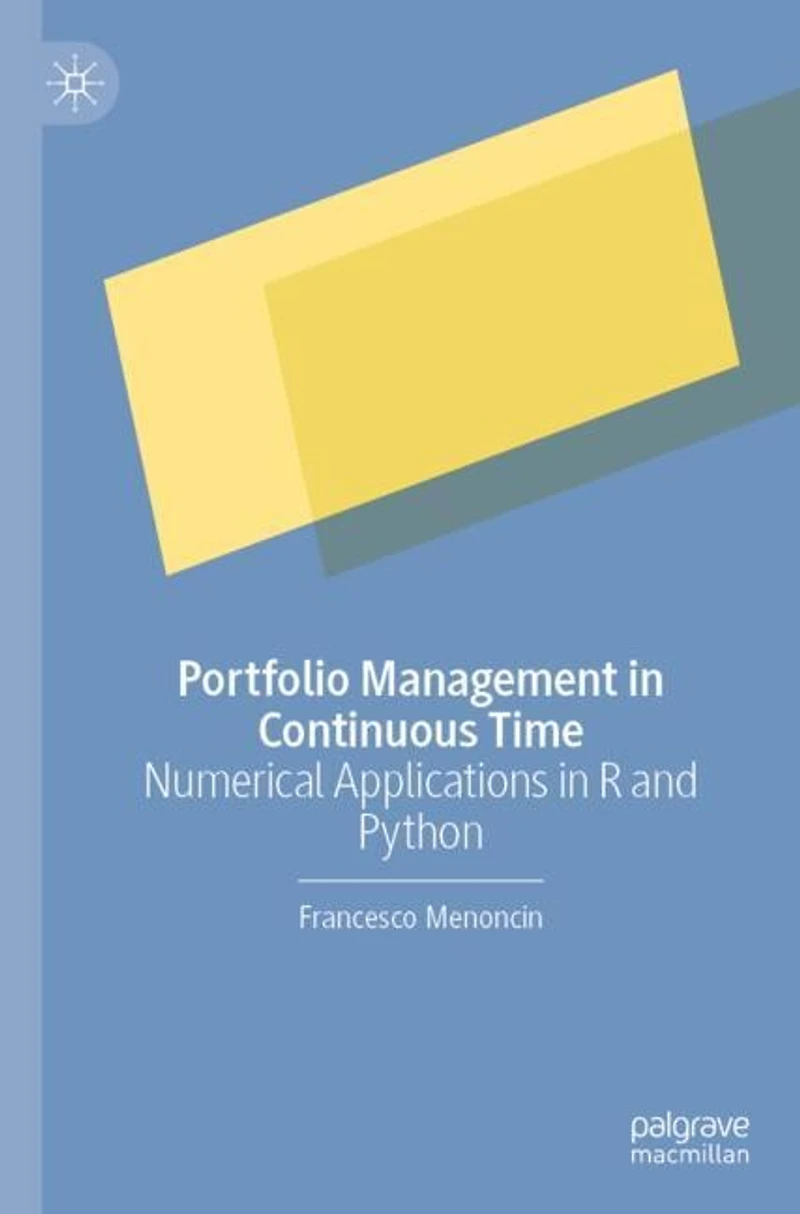
Portfolio Management in Continuous Time: Numerical Applications in R and Python in Ottawa, ON
Current price: $145.95

Portfolio Management in Continuous Time: Numerical Applications in R and Python in Ottawa, ON
Current price: $145.95
Loading Inventory...
Size: Paperback
*Product information may vary - to confirm product availability, pricing, shipping and return information please contact Coles
This textbook covers essential topics in quantitative finance, including stochastic calculus, portfolio optimization (static and dynamic), and risk-neutral pricing. Combining financial theory with real-world applications, the book presents a step-by-step guide to modelling financial data in continuous time using R and Python. The side-by-side presentation of the two software languages allows readers to grasp the similarities and differences between the two codes, while guiding them through models calibrated with actual market data that illustrate the quantitative characteristics of optimal portfolios. Reinforced with pedagogical features including accompanying online datasets and numerical exercises to understand stochastic processes, this textbook will be a valuable resource for postgraduate students on corporate finance, quantitative finance, portfolio and investment management, risk management and actuarial courses, as well as finance professionals undertaking quantitative modelling.
This textbook covers essential topics in quantitative finance, including stochastic calculus, portfolio optimization (static and dynamic), and risk-neutral pricing. Combining financial theory with real-world applications, the book presents a step-by-step guide to modelling financial data in continuous time using R and Python. The side-by-side presentation of the two software languages allows readers to grasp the similarities and differences between the two codes, while guiding them through models calibrated with actual market data that illustrate the quantitative characteristics of optimal portfolios. Reinforced with pedagogical features including accompanying online datasets and numerical exercises to understand stochastic processes, this textbook will be a valuable resource for postgraduate students on corporate finance, quantitative finance, portfolio and investment management, risk management and actuarial courses, as well as finance professionals undertaking quantitative modelling.
You May Also Like










More About Coles at Bayshore Shopping Centre
Coles is renowned for its outstanding customer service and great selection of books. Along with the vast array of magazines, stationary, audio-books, children's literature, fiction, non-fiction and reference books, you can find accessories to make your reading experience more pleasurable. We can recommend the very best in reading today. We will help you search our titles for exactly what you need, and if we do not have it in stock, we will order it for you.
100 Bayshore Dr, Nepean, ON K2B 8C1, Canada
Find Coles at Bayshore Shopping Centre in Ottawa, ON
Visit Coles at Bayshore Shopping Centre in Ottawa, ON