

Give the Gift of Choice!
Too many options? Treat your friends and family to their favourite stores with a Bayshore Shopping Centre gift card, redeemable at participating retailers throughout the centre. Click below to purchase yours today!Purchase HereHome
Post-Christendom Studies: Volume 5
Coles
Loading Inventory...
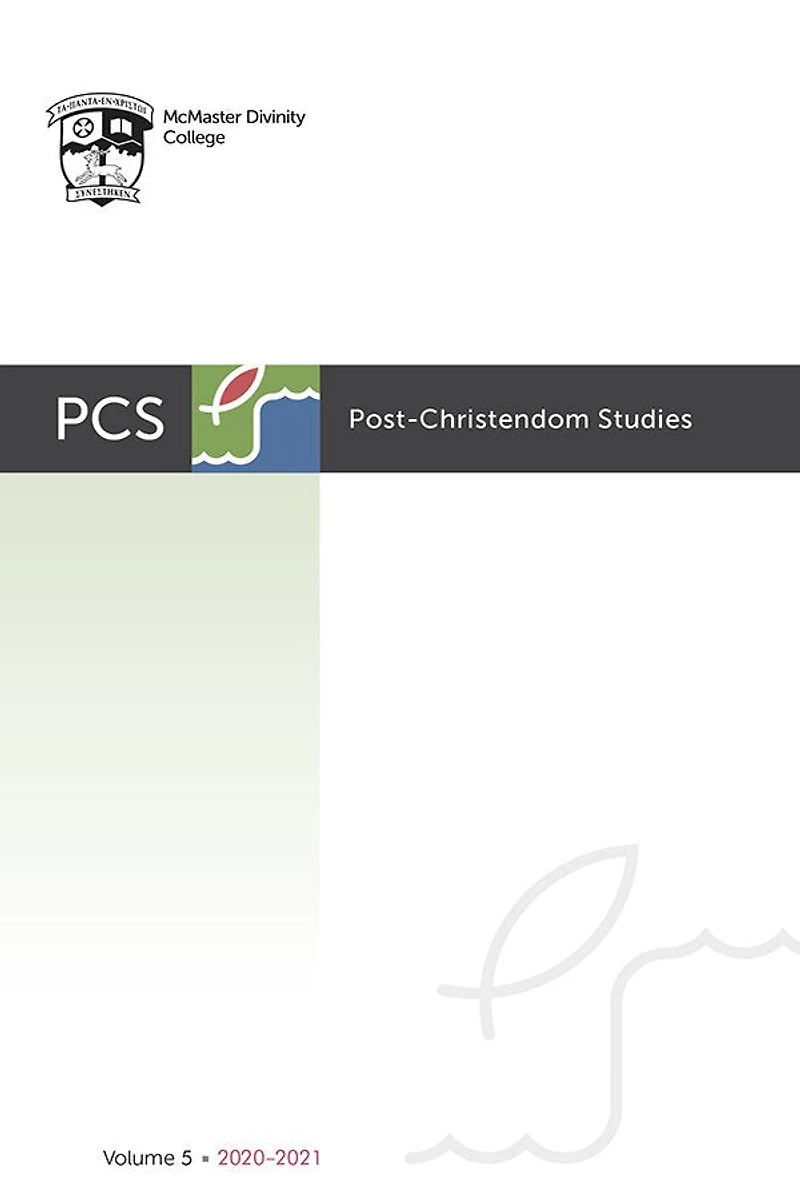
Post-Christendom Studies: Volume 5 in Ottawa, ON
Current price: $48.00

Post-Christendom Studies: Volume 5 in Ottawa, ON
Current price: $48.00
Loading Inventory...
Size: Hardcover
*Product information may vary - to confirm product availability, pricing, shipping and return information please contact Coles
Post-Christendom Studies publishes research on the nature of Christian identity and mission in the contexts of post-Christendom. Post-Christendom refers to places, both now and in the past, where Christianity was once a significant cultural presence, though not necessarily the dominant religion. Sometimes "Christendom" refers to the official link between church and state. The term "post-Christendom" is often associated with the rise of secularization, religious pluralism, and multiculturalism in western countries over the past sixty years. Our use of the term is broader than that however. Egypt for example can be considered a post-Christendom context. It was once a leading center of Christianity. "Christendom" moreover does not necessarily mean official public and dominant religion. For example, under Saddam Hussein, Christianity was probably a minority religion, but, for the most part, Christians were left alone. After America deposed Saddam, Christians began to flee because they became a persecuted minority. In that sense, post-Saddam Iraq is an experience of post-Christendom--it is a shift from a cultural context in which Christians have more or less freedom to exercise their faith to one where they are persecuted and/or marginalized for doing so.
Post-Christendom Studies publishes research on the nature of Christian identity and mission in the contexts of post-Christendom. Post-Christendom refers to places, both now and in the past, where Christianity was once a significant cultural presence, though not necessarily the dominant religion. Sometimes "Christendom" refers to the official link between church and state. The term "post-Christendom" is often associated with the rise of secularization, religious pluralism, and multiculturalism in western countries over the past sixty years. Our use of the term is broader than that however. Egypt for example can be considered a post-Christendom context. It was once a leading center of Christianity. "Christendom" moreover does not necessarily mean official public and dominant religion. For example, under Saddam Hussein, Christianity was probably a minority religion, but, for the most part, Christians were left alone. After America deposed Saddam, Christians began to flee because they became a persecuted minority. In that sense, post-Saddam Iraq is an experience of post-Christendom--it is a shift from a cultural context in which Christians have more or less freedom to exercise their faith to one where they are persecuted and/or marginalized for doing so.
You May Also Like







More About Coles at Bayshore Shopping Centre
Coles is renowned for its outstanding customer service and great selection of books. Along with the vast array of magazines, stationary, audio-books, children's literature, fiction, non-fiction and reference books, you can find accessories to make your reading experience more pleasurable. We can recommend the very best in reading today. We will help you search our titles for exactly what you need, and if we do not have it in stock, we will order it for you.
100 Bayshore Dr, Nepean, ON K2B 8C1, Canada
Find Coles at Bayshore Shopping Centre in Ottawa, ON
Visit Coles at Bayshore Shopping Centre in Ottawa, ON