

Give the Gift of Choice!
Too many options? Treat your friends and family to their favourite stores with a Bayshore Shopping Centre gift card, redeemable at participating retailers throughout the centre. Click below to purchase yours today!Purchase HereHome
Pragmatism, Old And New: Selected Writings
Coles
Loading Inventory...
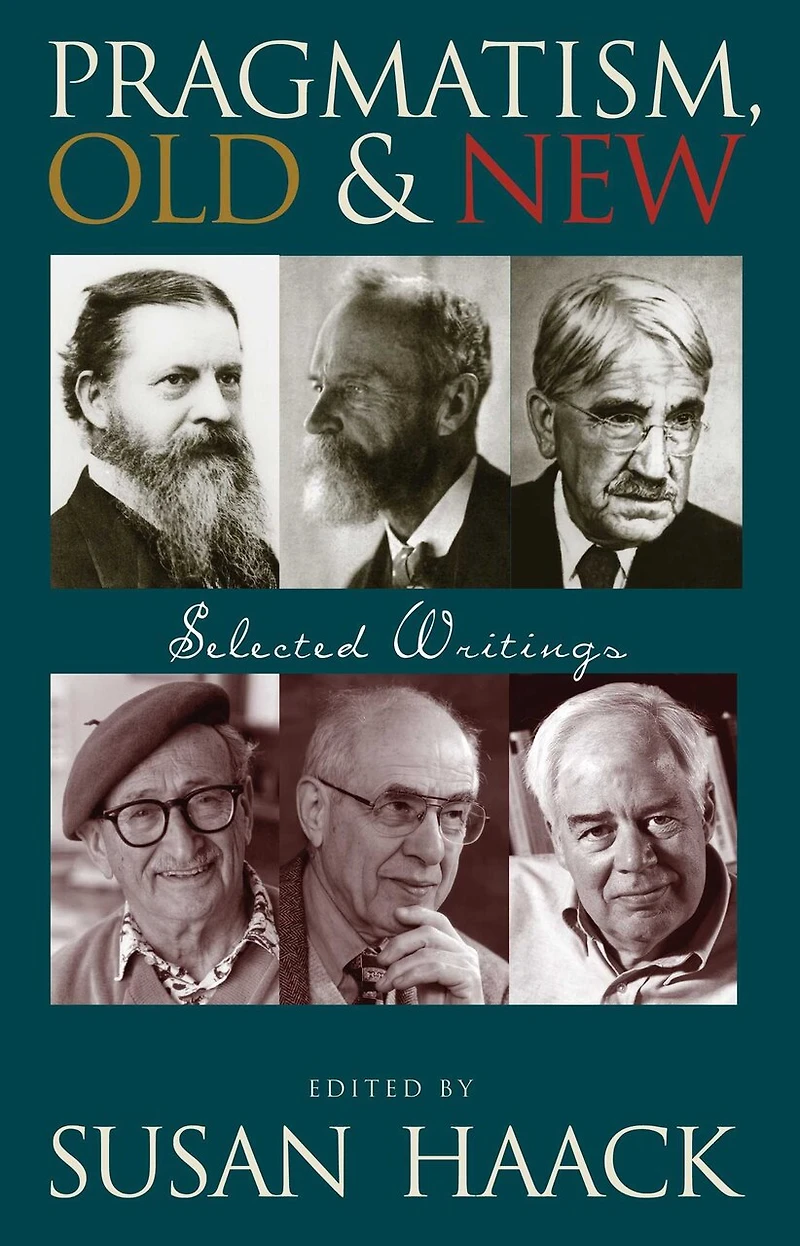
Pragmatism, Old And New: Selected Writings in Ottawa, ON
Current price: $37.50

Pragmatism, Old And New: Selected Writings in Ottawa, ON
Current price: $37.50
Loading Inventory...
Size: Hardcover
*Product information may vary - to confirm product availability, pricing, shipping and return information please contact Coles
Morris R. Cohen once described pragmatism as "a philosophy for people who cannot think"; and Bertrand Russell feared that pragmatism would lead philosophy into "cosmic impiety." Nothing could be further from the truth. Pragmatism was one of the most fruitful philosophical movements of the late nineteenth century, and has continued to be a significant influence on some of the major figures in philosophy - F. P. Ramsey, W. V. Quine, Sidney Hook, Nelson Goodman, Hilary Putnam, and many others.
Today some even speak of a remarkable renaissance of pragmatism. Very often, though, what they have in mind is not the rich heritage of the classical pragmatist tradition, but a radical self-styled neo-pragmatism that has of late transmuted the reformist aspirations of classical pragmatism into a kind of revolutionary anti-intellectualism - a radical neo-pragmatism that seems to confirm Russell's worst fears.
Asking what we can learn from the older pragmatist tradition, and what we can salvage from the intellectual shipwreck of the new, Susan Haack, with the assistance of Robert Lane, has put together a wide-ranging anthology that tells the story of the evolution of pragmatism from its origins in C. S. Peirce's hopes of making philosophy more scientific and William James's of "unstiffening our theories," to the radical literary-political neo-pragmatism recently popularized by Richard Rorty. Opening with a history of pragmatism from its inception to the present day, and closing with Haack's famous "interview" with Peirce and Rorty, the book presents a broad and diverse selection of pragmatist writings - classical and contemporary, reformist and revolutionary - on logic, metaphysics, theory of inquiry, philosophy of mind, philosophy of religion, aesthetics, philosophy of education, and moral, social, and political philosophy.
Morris R. Cohen once described pragmatism as "a philosophy for people who cannot think"; and Bertrand Russell feared that pragmatism would lead philosophy into "cosmic impiety." Nothing could be further from the truth. Pragmatism was one of the most fruitful philosophical movements of the late nineteenth century, and has continued to be a significant influence on some of the major figures in philosophy - F. P. Ramsey, W. V. Quine, Sidney Hook, Nelson Goodman, Hilary Putnam, and many others.
Today some even speak of a remarkable renaissance of pragmatism. Very often, though, what they have in mind is not the rich heritage of the classical pragmatist tradition, but a radical self-styled neo-pragmatism that has of late transmuted the reformist aspirations of classical pragmatism into a kind of revolutionary anti-intellectualism - a radical neo-pragmatism that seems to confirm Russell's worst fears.
Asking what we can learn from the older pragmatist tradition, and what we can salvage from the intellectual shipwreck of the new, Susan Haack, with the assistance of Robert Lane, has put together a wide-ranging anthology that tells the story of the evolution of pragmatism from its origins in C. S. Peirce's hopes of making philosophy more scientific and William James's of "unstiffening our theories," to the radical literary-political neo-pragmatism recently popularized by Richard Rorty. Opening with a history of pragmatism from its inception to the present day, and closing with Haack's famous "interview" with Peirce and Rorty, the book presents a broad and diverse selection of pragmatist writings - classical and contemporary, reformist and revolutionary - on logic, metaphysics, theory of inquiry, philosophy of mind, philosophy of religion, aesthetics, philosophy of education, and moral, social, and political philosophy.
You May Also Like







More About Coles at Bayshore Shopping Centre
Coles is renowned for its outstanding customer service and great selection of books. Along with the vast array of magazines, stationary, audio-books, children's literature, fiction, non-fiction and reference books, you can find accessories to make your reading experience more pleasurable. We can recommend the very best in reading today. We will help you search our titles for exactly what you need, and if we do not have it in stock, we will order it for you.
100 Bayshore Dr, Nepean, ON K2B 8C1, Canada
Find Coles at Bayshore Shopping Centre in Ottawa, ON
Visit Coles at Bayshore Shopping Centre in Ottawa, ON