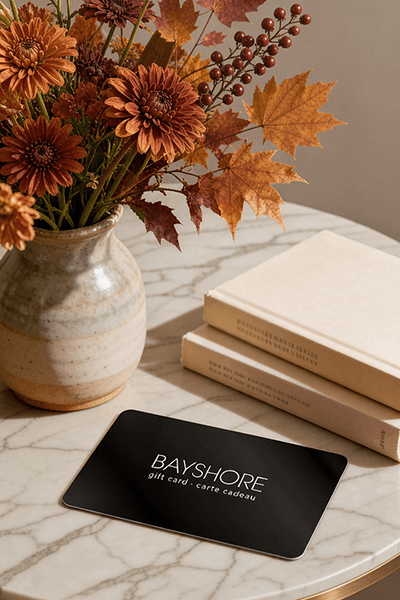
Give the Gift of Choice!
Too many options? Treat your friends and family to their favourite stores with a Bayshore Shopping Centre gift card, redeemable at participating retailers throughout the centre. Click below to purchase yours today!Purchase HereHome
Preaching the Manifold Grace of God, Volume 2: Theologies Early Twenty-First Century
Coles
Loading Inventory...
Preaching the Manifold Grace of God, Volume 2: Theologies Early Twenty-First Century in Ottawa, ON
By None
Current price: $79.00


By None
Preaching the Manifold Grace of God, Volume 2: Theologies Early Twenty-First Century in Ottawa, ON
Current price: $79.00
Loading Inventory...
Size: Hardcover
*Product information may vary - to confirm product availability, pricing, shipping and return information please contact Coles
Preaching the Manifold Grace of God is a two-volume work describing theologies of preaching from the historical and contemporary periods. Volume 1 focuses on historical theological families: Orthodox, Roman Catholic, Lutheran, Reformed, Anabaptist, Anglican/Episcopal, Wesleyan, Baptist, African American, Stone-Campbell, Friends, and Pentecostal. Volume 2 focuses on families that are evangelical, liberal, neo-orthodox, postliberal, existential, radical orthodox, deconstructionist, Black liberation, womanist, Latinx liberation, Mujerista, Asian American, Asian American feminist, LGBTQAI, Indigenous, postcolonial, and process. In each case, the author describes the circumstances in which the theological family emerged, describes the purposes and characteristics of preaching from that perspective, and assesses the strengths and limitations of the approach.