

Give the Gift of Choice!
Too many options? Treat your friends and family to their favourite stores with a Bayshore Shopping Centre gift card, redeemable at participating retailers throughout the centre. Click below to purchase yours today!Purchase HereHome
Preaching to Korean Immigrants: A Psalmic-Theological Homiletic
Coles
Loading Inventory...
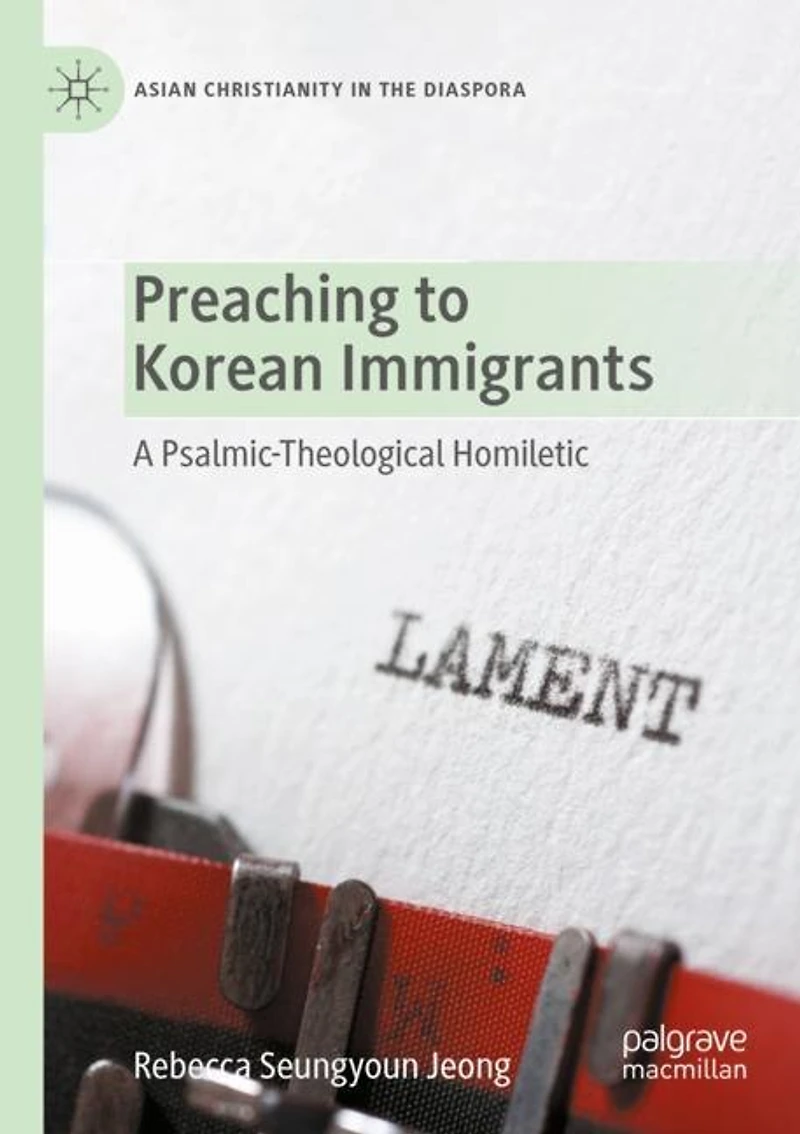
Preaching to Korean Immigrants: A Psalmic-Theological Homiletic in Ottawa, ON
Current price: $160.95

Preaching to Korean Immigrants: A Psalmic-Theological Homiletic in Ottawa, ON
Current price: $160.95
Loading Inventory...
Size: Paperback
*Product information may vary - to confirm product availability, pricing, shipping and return information please contact Coles
In terms of practical-theology's critical reflection on marginalized people's wounds in a wider society, this book investigates the question, "How to proclaim the good news in response to first-generation Korean immigrants' contextual suffering in the United Sates?" To answer the question, the book starts with investigating Korean immigrant hearers' contextual predicaments in a new land to point out emerging practical-theological issues in relation to the practice of preaching. In this book, the primary subjects are first-generation Korean immigrants, especially those who have relatively low socio-economic status and struggle with the purpose of their lives as immigrants, particularly those whose material dreams have been shattered.
In order to proclaim the good news, this book proposes a more appropriate immigrant theology for/in the practice of preaching by reclaiming the priorities of God's future in our lives and confirming God's active identification with Korean immigrant congregations in the depths of their predicament. Such reconstructive work for immigrant theology arises in response to their existential hardships, marginality, ethnic discrimination, and relative powerlessness in life.
While acknowledging both the possibilities and limits of the diverse forms of current Korean immigrant preaching, the book then offers a strategic proposal for a new homiletic theory, namely "a psalmic-theological homiletic." This proposed homiletic is deeply rooted in the theology of the Psalms and their rhetorical movement. This re-envisioned mode of eschatological and prophetic preaching in times of difficulty recovers ancient Israel's psalmic, rhetorical tradition that aims toward faith. Its theological-rhetorical strategy intends to both transform hearers' habitus of living in faith and enhance their hope-filled life through communal anticipation of God's coming future on the margins. Specifically, this proposed homiletic critically adopts key features from psalms of lament and their typical, fourfold theological-rhetorical movement (i.e., lament, retelling a story, confessional doxology, and obedient vow) as now core elements of a revised Korean-immigrant preaching practice.
In terms of practical-theology's critical reflection on marginalized people's wounds in a wider society, this book investigates the question, "How to proclaim the good news in response to first-generation Korean immigrants' contextual suffering in the United Sates?" To answer the question, the book starts with investigating Korean immigrant hearers' contextual predicaments in a new land to point out emerging practical-theological issues in relation to the practice of preaching. In this book, the primary subjects are first-generation Korean immigrants, especially those who have relatively low socio-economic status and struggle with the purpose of their lives as immigrants, particularly those whose material dreams have been shattered.
In order to proclaim the good news, this book proposes a more appropriate immigrant theology for/in the practice of preaching by reclaiming the priorities of God's future in our lives and confirming God's active identification with Korean immigrant congregations in the depths of their predicament. Such reconstructive work for immigrant theology arises in response to their existential hardships, marginality, ethnic discrimination, and relative powerlessness in life.
While acknowledging both the possibilities and limits of the diverse forms of current Korean immigrant preaching, the book then offers a strategic proposal for a new homiletic theory, namely "a psalmic-theological homiletic." This proposed homiletic is deeply rooted in the theology of the Psalms and their rhetorical movement. This re-envisioned mode of eschatological and prophetic preaching in times of difficulty recovers ancient Israel's psalmic, rhetorical tradition that aims toward faith. Its theological-rhetorical strategy intends to both transform hearers' habitus of living in faith and enhance their hope-filled life through communal anticipation of God's coming future on the margins. Specifically, this proposed homiletic critically adopts key features from psalms of lament and their typical, fourfold theological-rhetorical movement (i.e., lament, retelling a story, confessional doxology, and obedient vow) as now core elements of a revised Korean-immigrant preaching practice.
You May Also Like

![A Treatise On Homiletics: Designed to Illustrate the True Theory and Practice of Preaching the Gospel: [Bibliog. and Appxs.]](https://cdn.mall.adeptmind.ai/https%253A%252F%252Fcdn.shopify.com%252Fs%252Ffiles%252F1%252F0655%252F8980%252F5233%252Ffiles%252F1_ac7948c5-0916-4c55-9fda-068ac9fe8093.jpg_medium.webp)








More About Coles at Bayshore Shopping Centre
Coles is renowned for its outstanding customer service and great selection of books. Along with the vast array of magazines, stationary, audio-books, children's literature, fiction, non-fiction and reference books, you can find accessories to make your reading experience more pleasurable. We can recommend the very best in reading today. We will help you search our titles for exactly what you need, and if we do not have it in stock, we will order it for you.
100 Bayshore Dr, Nepean, ON K2B 8C1, Canada
Find Coles at Bayshore Shopping Centre in Ottawa, ON
Visit Coles at Bayshore Shopping Centre in Ottawa, ON