

Give the Gift of Choice!
Too many options? Treat your friends and family to their favourite stores with a Bayshore Shopping Centre gift card, redeemable at participating retailers throughout the centre. Click below to purchase yours today!Purchase HereHome
Prisms of Work: Labour, Recruitment and Command in German East Africa
Coles
Loading Inventory...
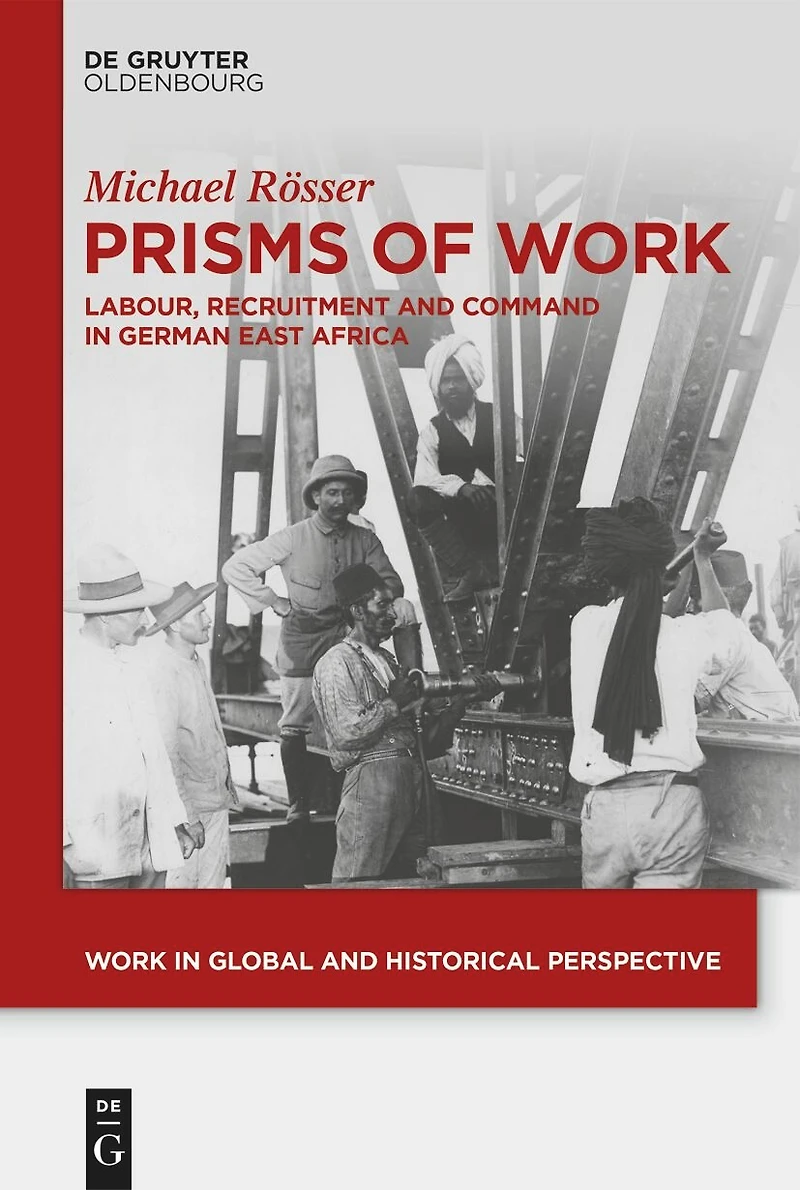
Prisms of Work: Labour, Recruitment and Command in German East Africa in Ottawa, ON
Current price: $79.99

Prisms of Work: Labour, Recruitment and Command in German East Africa in Ottawa, ON
Current price: $79.99
Loading Inventory...
Size: Hardcover
*Product information may vary - to confirm product availability, pricing, shipping and return information please contact Coles
The phenomenon of labour takes the character of a prism. Labour is thereby always context dependent and constituted through the actions of all protagonists involved in any labour relationship. On the basis of three case studies in colonial German East Africa – the construction of the Central Railway (1905–1916), the Otto Plantation in Kilossa (1907–1916) and the palaeontological Tendaguru Expedition (1909–1911) – labour and labour relations are analysed. The focus lies on hitherto neglected actors and groups of actors of labour in the colonial context of East Africa. These were especially German companies and their staff, white subaltern railway sub-contractors and labour recruiters, Indian skilled workers and (qualified) East African workers. Furthermore, all three sites of labour proved to have their individual logics and characteristics. But all of them were in tension between the ‘global’ and the ‘local’, coercion and voluntariness, machine and manual labour, skilled and unskilled labour, reproductive and wage labour, as well as between black and white . Michael Rösser’s dissertation has been awarded with ‘honorary distinction’ by the European Network in Universal and Global History (ENIUGH) . Shortlisted for the 2025 Hedwig Hintze Prize for excellent dissertations by VHD .
The phenomenon of labour takes the character of a prism. Labour is thereby always context dependent and constituted through the actions of all protagonists involved in any labour relationship. On the basis of three case studies in colonial German East Africa – the construction of the Central Railway (1905–1916), the Otto Plantation in Kilossa (1907–1916) and the palaeontological Tendaguru Expedition (1909–1911) – labour and labour relations are analysed. The focus lies on hitherto neglected actors and groups of actors of labour in the colonial context of East Africa. These were especially German companies and their staff, white subaltern railway sub-contractors and labour recruiters, Indian skilled workers and (qualified) East African workers. Furthermore, all three sites of labour proved to have their individual logics and characteristics. But all of them were in tension between the ‘global’ and the ‘local’, coercion and voluntariness, machine and manual labour, skilled and unskilled labour, reproductive and wage labour, as well as between black and white . Michael Rösser’s dissertation has been awarded with ‘honorary distinction’ by the European Network in Universal and Global History (ENIUGH) . Shortlisted for the 2025 Hedwig Hintze Prize for excellent dissertations by VHD .
You May Also Like








More About Coles at Bayshore Shopping Centre
Coles is renowned for its outstanding customer service and great selection of books. Along with the vast array of magazines, stationary, audio-books, children's literature, fiction, non-fiction and reference books, you can find accessories to make your reading experience more pleasurable. We can recommend the very best in reading today. We will help you search our titles for exactly what you need, and if we do not have it in stock, we will order it for you.
100 Bayshore Dr, Nepean, ON K2B 8C1, Canada
Find Coles at Bayshore Shopping Centre in Ottawa, ON
Visit Coles at Bayshore Shopping Centre in Ottawa, ON