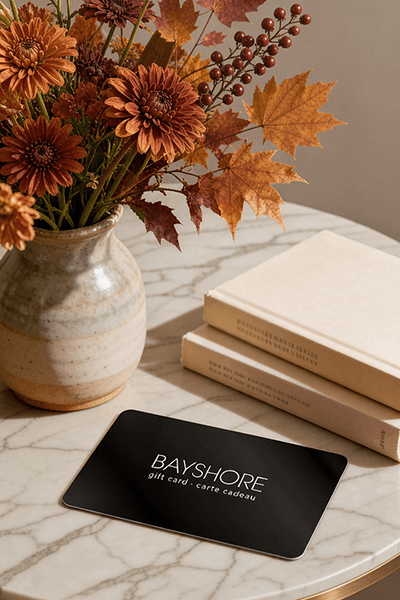
Too many options? Treat your friends and family to their favourite stores with a Bayshore Shopping Centre gift card, redeemable at participating retailers throughout the centre. Click below to purchase yours today!Purchase Here
Coles Private Women and the Public Good: Charity State Formation Hamilton, Ontario, 1846-93 at Bayshore Shopping Centre in Ottawa, ON
*Product information may vary - to confirm product availability, pricing, shipping and return information please contact Coles
In 1846, a group of women came together to form what would become one of nineteenth-century Hamilton’s most important social welfare institutions. Through the Ladies Benevolent Society and Hamilton Orphan Asylum, they managed and administered a charitable visiting society, orphan asylum, and aged women’s home.
At this time, in other parts of the Western world, the public sphere and women’s exclusion from it were reshaping political and gender relations. Although charitable women in Hamilton managed essential social services in the community, and although these efforts were publicly financed, their work was still defined as “private.”
In Private Women and the Public Good, Carmen J. Nielson explores the history of this pioneering charity and demonstrates that despite its notable political significance, women’s charitable work failed to challenge the staunch division of private and public spheres.
In 1846, a group of women came together to form what would become one of nineteenth-century Hamilton’s most important social welfare institutions. Through the Ladies Benevolent Society and Hamilton Orphan Asylum, they managed and administered a charitable visiting society, orphan asylum, and aged women’s home.
At this time, in other parts of the Western world, the public sphere and women’s exclusion from it were reshaping political and gender relations. Although charitable women in Hamilton managed essential social services in the community, and although these efforts were publicly financed, their work was still defined as “private.”
In Private Women and the Public Good, Carmen J. Nielson explores the history of this pioneering charity and demonstrates that despite its notable political significance, women’s charitable work failed to challenge the staunch division of private and public spheres.
Coles is renowned for its outstanding customer service and great selection of books. Along with the vast array of magazines, stationary, audio-books, children's literature, fiction, non-fiction and reference books, you can find accessories to make your reading experience more pleasurable. We can recommend the very best in reading today. We will help you search our titles for exactly what you need, and if we do not have it in stock, we will order it for you.