

Give the Gift of Choice!
Too many options? Treat your friends and family to their favourite stores with a Bayshore Shopping Centre gift card, redeemable at participating retailers throughout the centre. Click below to purchase yours today!Purchase HereHome
Project Value Management: Project Management for Economic Value Creation
Coles
Loading Inventory...
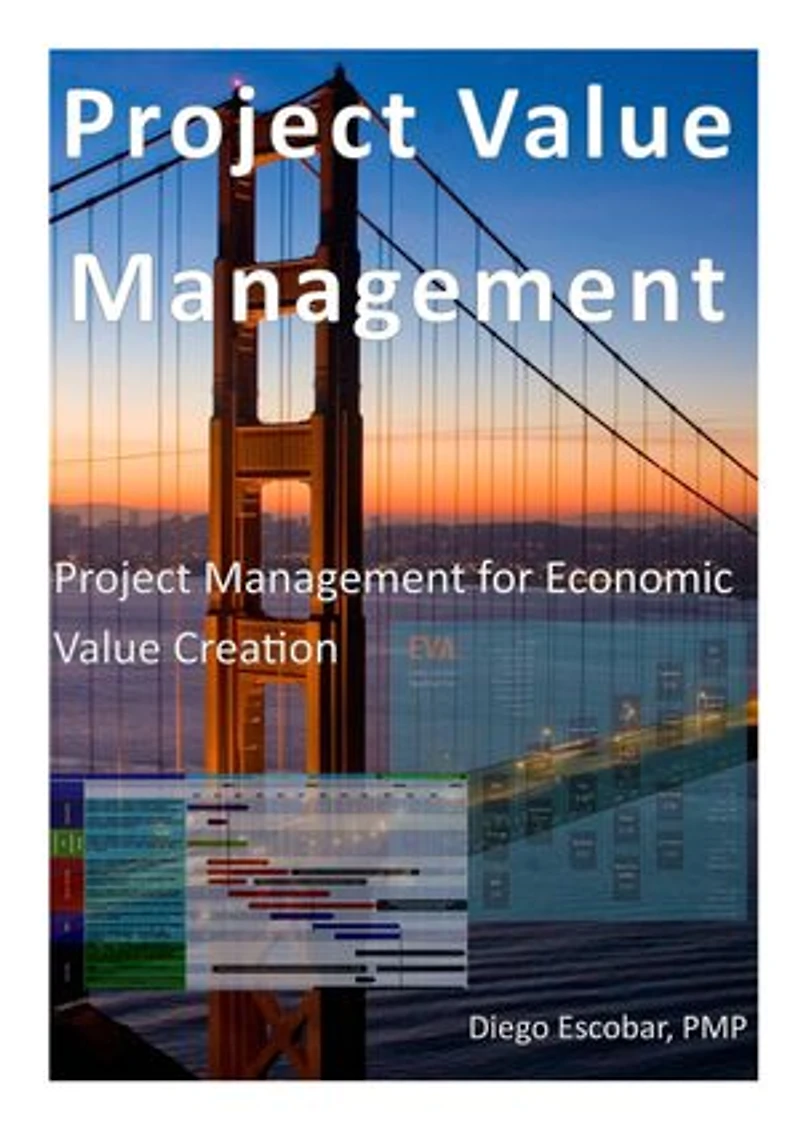
Project Value Management: Project Management for Economic Value Creation in Ottawa, ON
Current price: $13.99

Project Value Management: Project Management for Economic Value Creation in Ottawa, ON
Current price: $13.99
Loading Inventory...
Size: Kobo eBook
*Product information may vary - to confirm product availability, pricing, shipping and return information please contact Coles
When I started my career as project manager, I was wondering why the project managers are not considered business men, and have always considered as technicians who know how to manage. After several years of experience and study, I have come to the conclusion that the gap between businesses and projects are the main cause of the so-called "failures in projects". And I asked myself: how there are still so many companies that survive, doing so disastrous projects?
Obviously in the creation of economic value chain, projects are part of the beginning of the cycle of investment and revenues are generated by products that projects begin to generate, once concluded. Companies that fail are those that cannot generate, with the project and the product, sufficient economic value, paying above the cost of capital used.
Separating the projects from production, losing the integrated business vision, working by "silos", without seeing the whole value chain and, additionally not measuring the economic value as we mentioned, the results of the projects will always be in doubt (even if considered successful!), because we won't know if they are really generating wealth.
In this book, the author goes from theory to practice, showing the way to create a bridge between projects and production, to see in what way, between both, we can maximize the economic value, analyzing the impact of projects from different points of view; from marketing, strategy, finance, production and risks, considering the most important risk: the risk of not generating wealth.
When I started my career as project manager, I was wondering why the project managers are not considered business men, and have always considered as technicians who know how to manage. After several years of experience and study, I have come to the conclusion that the gap between businesses and projects are the main cause of the so-called "failures in projects". And I asked myself: how there are still so many companies that survive, doing so disastrous projects?
Obviously in the creation of economic value chain, projects are part of the beginning of the cycle of investment and revenues are generated by products that projects begin to generate, once concluded. Companies that fail are those that cannot generate, with the project and the product, sufficient economic value, paying above the cost of capital used.
Separating the projects from production, losing the integrated business vision, working by "silos", without seeing the whole value chain and, additionally not measuring the economic value as we mentioned, the results of the projects will always be in doubt (even if considered successful!), because we won't know if they are really generating wealth.
In this book, the author goes from theory to practice, showing the way to create a bridge between projects and production, to see in what way, between both, we can maximize the economic value, analyzing the impact of projects from different points of view; from marketing, strategy, finance, production and risks, considering the most important risk: the risk of not generating wealth.
You May Also Like










More About Coles at Bayshore Shopping Centre
Coles is renowned for its outstanding customer service and great selection of books. Along with the vast array of magazines, stationary, audio-books, children's literature, fiction, non-fiction and reference books, you can find accessories to make your reading experience more pleasurable. We can recommend the very best in reading today. We will help you search our titles for exactly what you need, and if we do not have it in stock, we will order it for you.
100 Bayshore Dr, Nepean, ON K2B 8C1, Canada
Find Coles at Bayshore Shopping Centre in Ottawa, ON
Visit Coles at Bayshore Shopping Centre in Ottawa, ON