

Give the Gift of Choice!
Too many options? Treat your friends and family to their favourite stores with a Bayshore Shopping Centre gift card, redeemable at participating retailers throughout the centre. Click below to purchase yours today!Purchase HereHome
Property and Riches in the Early Church
Coles
Loading Inventory...
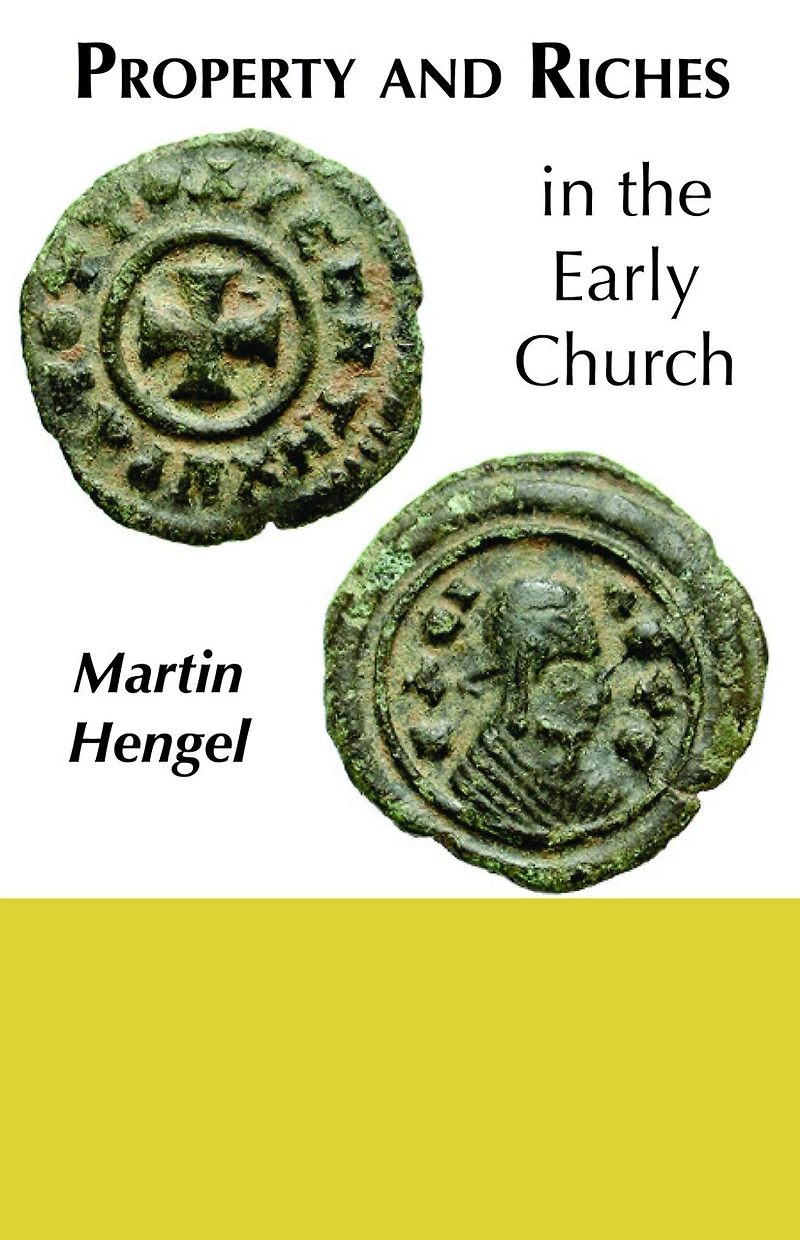
Property and Riches in the Early Church in Ottawa, ON
Current price: $20.97

Property and Riches in the Early Church in Ottawa, ON
Current price: $20.97
Loading Inventory...
Size: Paperback
*Product information may vary - to confirm product availability, pricing, shipping and return information please contact Coles
What should be the Christian attitude toward money and possessions? Have our own possessions left us blind to the utopian vision of the first Christians? Is anything short of a complete renunciation of possessions a compromise with Christian teaching? In this brief and lucid study, esteemed New Testament scholar and historian Martin Hengel examines the views of property and riches to be found in the teachings of Jesus, the early Christian communities, and the church fathers down to the fourth century. He compares Christian ideals with those to be found in Judaism and ancient philosophy, and sets what was taught alongside what was achieved in practice. A final chapter summarizes the relevance of these findings for Christianity today, and an annotated reading list indicates suggestions for further study.
What should be the Christian attitude toward money and possessions? Have our own possessions left us blind to the utopian vision of the first Christians? Is anything short of a complete renunciation of possessions a compromise with Christian teaching? In this brief and lucid study, esteemed New Testament scholar and historian Martin Hengel examines the views of property and riches to be found in the teachings of Jesus, the early Christian communities, and the church fathers down to the fourth century. He compares Christian ideals with those to be found in Judaism and ancient philosophy, and sets what was taught alongside what was achieved in practice. A final chapter summarizes the relevance of these findings for Christianity today, and an annotated reading list indicates suggestions for further study.







More About Coles at Bayshore Shopping Centre
Coles is renowned for its outstanding customer service and great selection of books. Along with the vast array of magazines, stationary, audio-books, children's literature, fiction, non-fiction and reference books, you can find accessories to make your reading experience more pleasurable. We can recommend the very best in reading today. We will help you search our titles for exactly what you need, and if we do not have it in stock, we will order it for you.
100 Bayshore Dr, Nepean, ON K2B 8C1, Canada
Find Coles at Bayshore Shopping Centre in Ottawa, ON
Visit Coles at Bayshore Shopping Centre in Ottawa, ON