

Give the Gift of Choice!
Too many options? Treat your friends and family to their favourite stores with a Bayshore Shopping Centre gift card, redeemable at participating retailers throughout the centre. Click below to purchase yours today!Purchase HereHome
Prosecuting Poverty, Criminalizing Care
Coles
Loading Inventory...
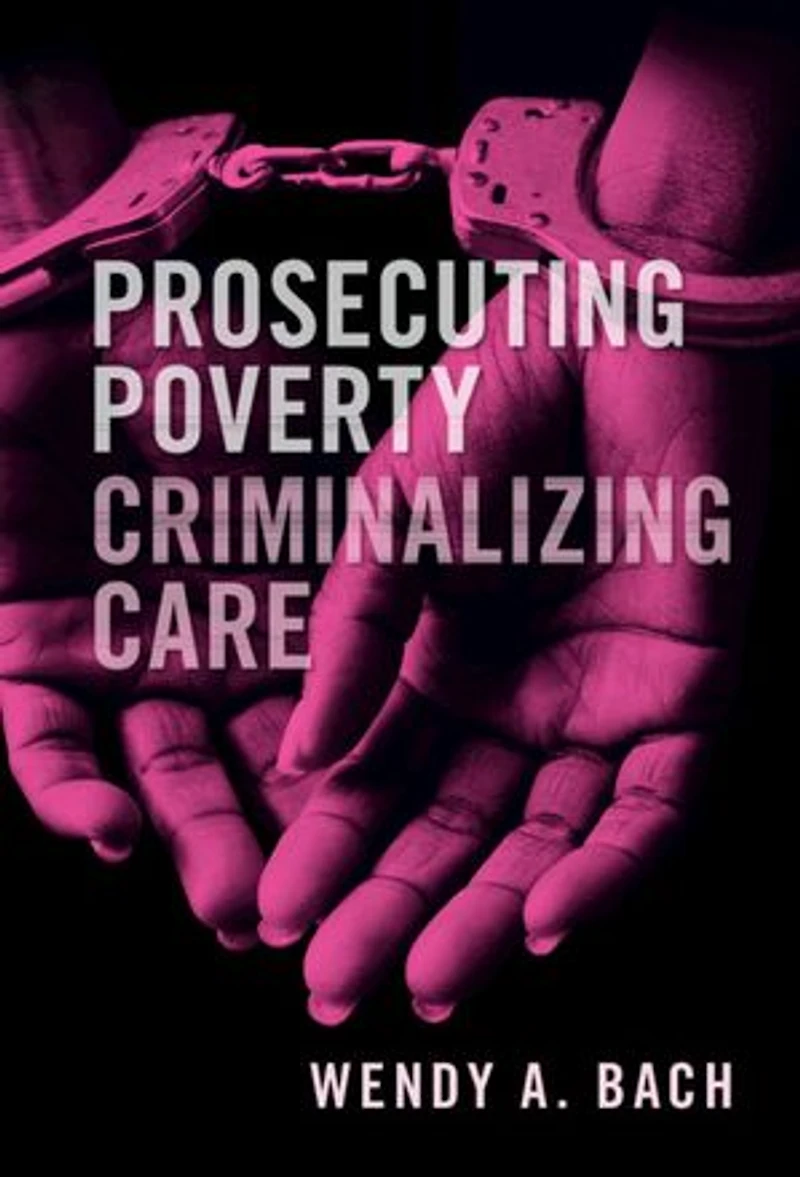
Prosecuting Poverty, Criminalizing Care in Ottawa, ON
Current price: $35.99
Original price: $44.95

Prosecuting Poverty, Criminalizing Care in Ottawa, ON
Current price: $35.99
Original price: $44.95
Loading Inventory...
Size: Kobo eBook
*Product information may vary - to confirm product availability, pricing, shipping and return information please contact Coles
At the height of the opiate epidemic, Tennessee lawmakers made it a crime for a pregnant woman to transmit narcotics to a fetus. They promised that charging new mothers with this crime would help them receive the treatment and support they often desperately need. In Prosecuting Poverty, Criminalizing Care, Wendy Bach describes the law's actual effect through meticulous examination of the cases of 120 women who were prosecuted for this crime. Drawing on quantitative and qualitative data, Bach demonstrates that both prosecuting 'fetal assault', and institutionalizing the all-too-common idea that criminalization is a road to care, lead at best to clinically dangerous and corrupt treatment, and at worst, and far more often, to an insidious smokescreen obscuring harsh punishment. Urgent, instructive, and humane, this retelling demands we stop criminalizing care and instead move towards robust and respectful systems that meet the real needs of families in poor communities.
At the height of the opiate epidemic, Tennessee lawmakers made it a crime for a pregnant woman to transmit narcotics to a fetus. They promised that charging new mothers with this crime would help them receive the treatment and support they often desperately need. In Prosecuting Poverty, Criminalizing Care, Wendy Bach describes the law's actual effect through meticulous examination of the cases of 120 women who were prosecuted for this crime. Drawing on quantitative and qualitative data, Bach demonstrates that both prosecuting 'fetal assault', and institutionalizing the all-too-common idea that criminalization is a road to care, lead at best to clinically dangerous and corrupt treatment, and at worst, and far more often, to an insidious smokescreen obscuring harsh punishment. Urgent, instructive, and humane, this retelling demands we stop criminalizing care and instead move towards robust and respectful systems that meet the real needs of families in poor communities.
You May Also Like












More About Coles at Bayshore Shopping Centre
Coles is renowned for its outstanding customer service and great selection of books. Along with the vast array of magazines, stationary, audio-books, children's literature, fiction, non-fiction and reference books, you can find accessories to make your reading experience more pleasurable. We can recommend the very best in reading today. We will help you search our titles for exactly what you need, and if we do not have it in stock, we will order it for you.
100 Bayshore Dr, Nepean, ON K2B 8C1, Canada
Find Coles at Bayshore Shopping Centre in Ottawa, ON
Visit Coles at Bayshore Shopping Centre in Ottawa, ON