

Give the Gift of Choice!
Too many options? Treat your friends and family to their favourite stores with a Bayshore Shopping Centre gift card, redeemable at participating retailers throughout the centre. Click below to purchase yours today!Purchase HereHome
Protectors of Pluralism: Religious Minorities and the Rescue Jews Low Countries during Holocaust
Coles
Loading Inventory...
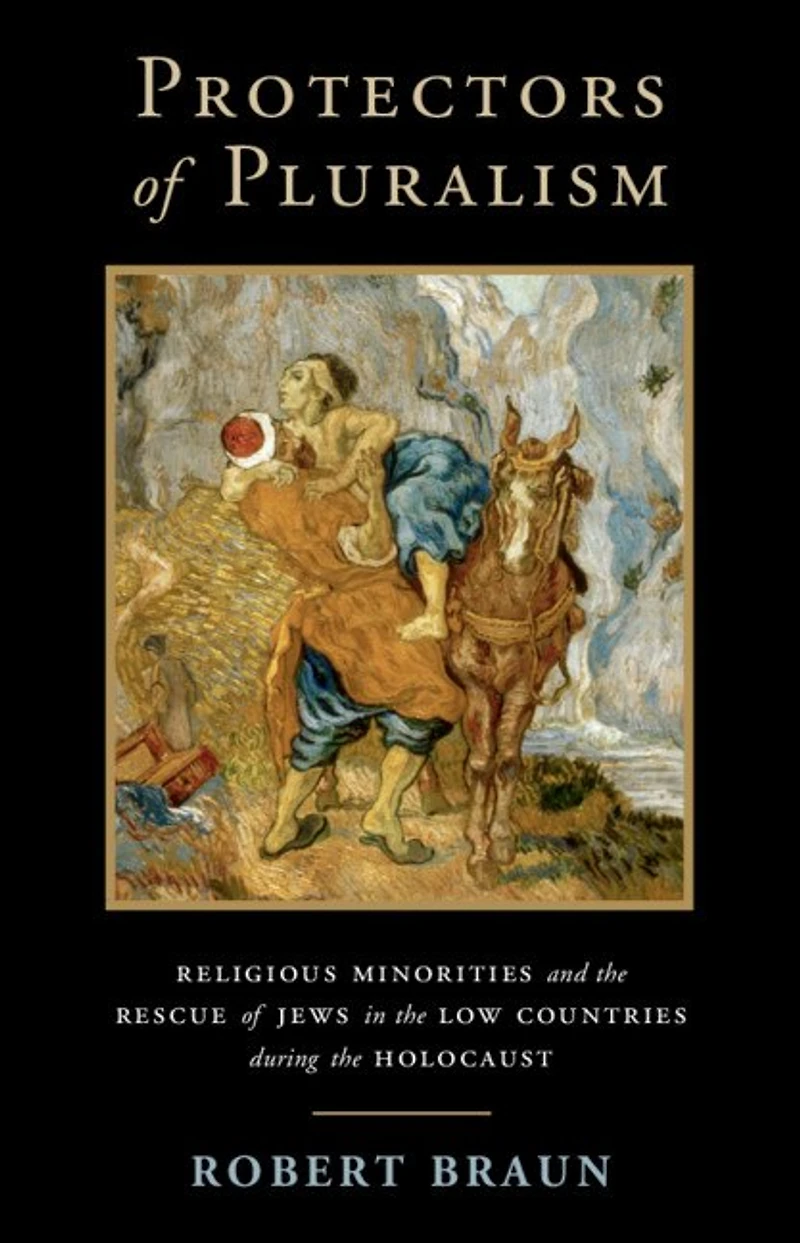
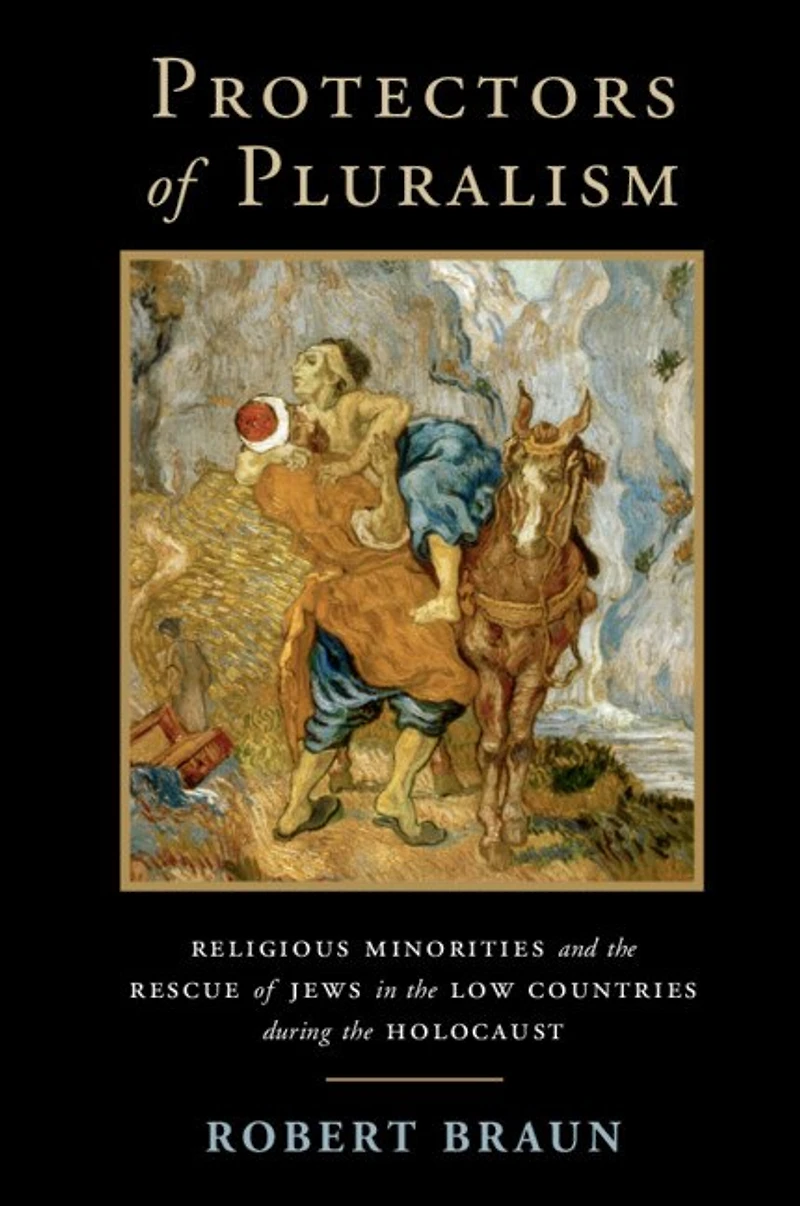
Protectors of Pluralism: Religious Minorities and the Rescue Jews Low Countries during Holocaust in Ottawa, ON
Current price: $160.95

Protectors of Pluralism: Religious Minorities and the Rescue Jews Low Countries during Holocaust in Ottawa, ON
Current price: $160.95
Loading Inventory...
Size: Hardcover
*Product information may vary - to confirm product availability, pricing, shipping and return information please contact Coles
Protectors of Pluralism argues that local religious minorities are more likely to save persecuted groups from purification campaigns. Robert Braun utilizes a geo-referenced dataset of Jewish evasion in the Netherlands and Belgium during the Holocaust to assess the minority hypothesis. Spatial statistics and archival work reveal that Protestants were more likely to rescue Jews in Catholic regions of the Low Countries, while Catholics facilitated evasion in Protestant areas. Post-war testimonies and secondary literature demonstrate the importance of minority groups for rescue in other countries during the Holocaust as well as other episodes of mass violence, underlining how the local position of church communities produces networks of assistance, rather than something inherent to any religion itself. This book makes an important contribution to the literature on political violence, social movements, altruism and religion, applying a range of social science methodologies and theories that shed new light on the Holocaust.
Protectors of Pluralism argues that local religious minorities are more likely to save persecuted groups from purification campaigns. Robert Braun utilizes a geo-referenced dataset of Jewish evasion in the Netherlands and Belgium during the Holocaust to assess the minority hypothesis. Spatial statistics and archival work reveal that Protestants were more likely to rescue Jews in Catholic regions of the Low Countries, while Catholics facilitated evasion in Protestant areas. Post-war testimonies and secondary literature demonstrate the importance of minority groups for rescue in other countries during the Holocaust as well as other episodes of mass violence, underlining how the local position of church communities produces networks of assistance, rather than something inherent to any religion itself. This book makes an important contribution to the literature on political violence, social movements, altruism and religion, applying a range of social science methodologies and theories that shed new light on the Holocaust.
You May Also Like












More About Coles at Bayshore Shopping Centre
Coles is renowned for its outstanding customer service and great selection of books. Along with the vast array of magazines, stationary, audio-books, children's literature, fiction, non-fiction and reference books, you can find accessories to make your reading experience more pleasurable. We can recommend the very best in reading today. We will help you search our titles for exactly what you need, and if we do not have it in stock, we will order it for you.
100 Bayshore Dr, Nepean, ON K2B 8C1, Canada
Find Coles at Bayshore Shopping Centre in Ottawa, ON
Visit Coles at Bayshore Shopping Centre in Ottawa, ON