

Give the Gift of Choice!
Too many options? Treat your friends and family to their favourite stores with a Bayshore Shopping Centre gift card, redeemable at participating retailers throughout the centre. Click below to purchase yours today!Purchase HereHome
Protest, Land Rights and Riots: Postcolonial struggles in Australia in the 1980s
Coles
Loading Inventory...
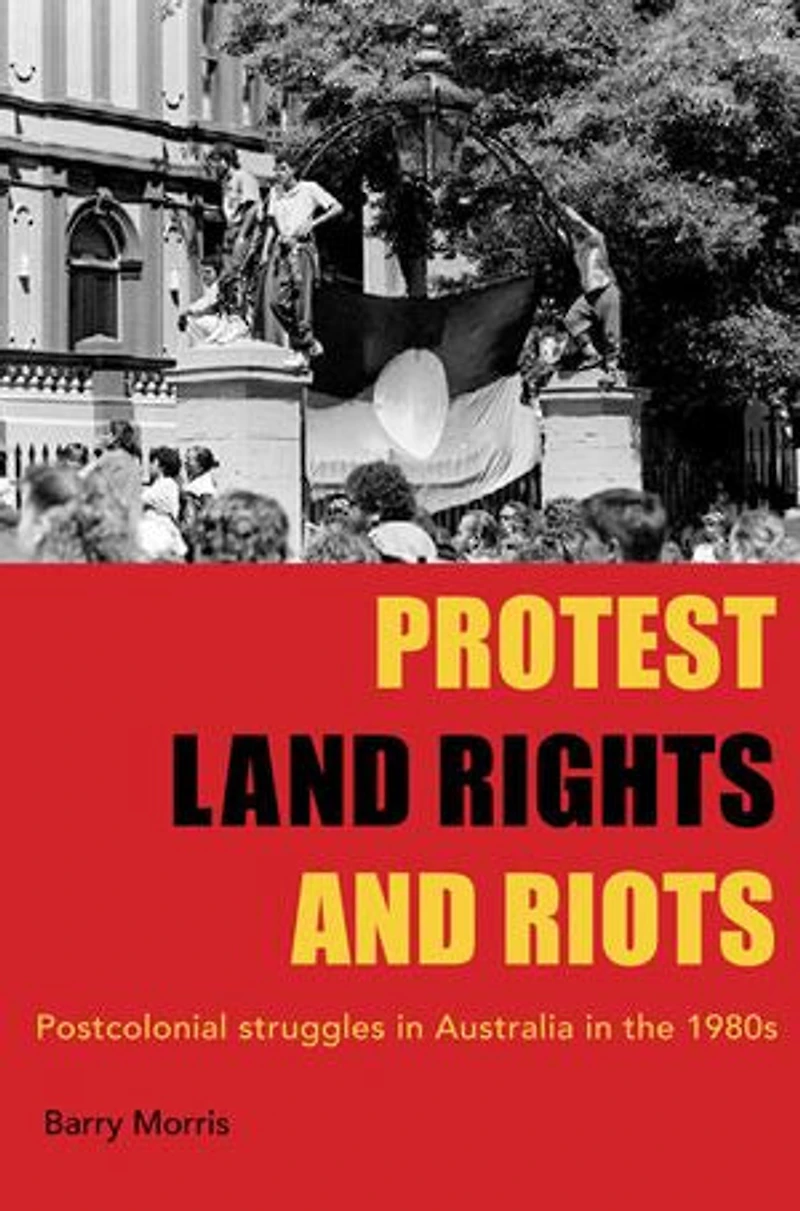
Protest, Land Rights and Riots: Postcolonial struggles in Australia in the 1980s in Ottawa, ON
Current price: $32.79
Original price: $40.94

Protest, Land Rights and Riots: Postcolonial struggles in Australia in the 1980s in Ottawa, ON
Current price: $32.79
Original price: $40.94
Loading Inventory...
Size: Kobo eBook
*Product information may vary - to confirm product availability, pricing, shipping and return information please contact Coles
The 1970s was a period of unprecedented political agency and legislative change in Aboriginal people's struggles for therecognition of postcolonial rights. What is significant is that they didn't just seek rights to be granted to them, but for some measure of rights to be restored to them.
Against this background, rural communities where large Aboriginal populations lived, were in foment as a consequence ofpolitical and economic change, major structural change, social fragmentation and unparalleled unemployment.
Politically, neoliberalism became the new orthodoxy recasting the state's role in the economy and redefining government programs and services. In Protest Land Rights and Riots, Barry Morris shows how those policies targeted those leastintegrated socially and culturally and who enjoyed fewer legitimate economic opportunities. The so-called riots, protests and law-and-order campaigns of the time captured much of the tense relations that existed between Indigenous people, the police and the criminal justice system.
The 1970s was a period of unprecedented political agency and legislative change in Aboriginal people's struggles for therecognition of postcolonial rights. What is significant is that they didn't just seek rights to be granted to them, but for some measure of rights to be restored to them.
Against this background, rural communities where large Aboriginal populations lived, were in foment as a consequence ofpolitical and economic change, major structural change, social fragmentation and unparalleled unemployment.
Politically, neoliberalism became the new orthodoxy recasting the state's role in the economy and redefining government programs and services. In Protest Land Rights and Riots, Barry Morris shows how those policies targeted those leastintegrated socially and culturally and who enjoyed fewer legitimate economic opportunities. The so-called riots, protests and law-and-order campaigns of the time captured much of the tense relations that existed between Indigenous people, the police and the criminal justice system.
You May Also Like








More About Coles at Bayshore Shopping Centre
Coles is renowned for its outstanding customer service and great selection of books. Along with the vast array of magazines, stationary, audio-books, children's literature, fiction, non-fiction and reference books, you can find accessories to make your reading experience more pleasurable. We can recommend the very best in reading today. We will help you search our titles for exactly what you need, and if we do not have it in stock, we will order it for you.
100 Bayshore Dr, Nepean, ON K2B 8C1, Canada
Find Coles at Bayshore Shopping Centre in Ottawa, ON
Visit Coles at Bayshore Shopping Centre in Ottawa, ON