

Give the Gift of Choice!
Too many options? Treat your friends and family to their favourite stores with a Bayshore Shopping Centre gift card, redeemable at participating retailers throughout the centre. Click below to purchase yours today!Purchase HereHome
Protest Publics: Toward A New Concept Of Mass Civic Action
Coles
Loading Inventory...
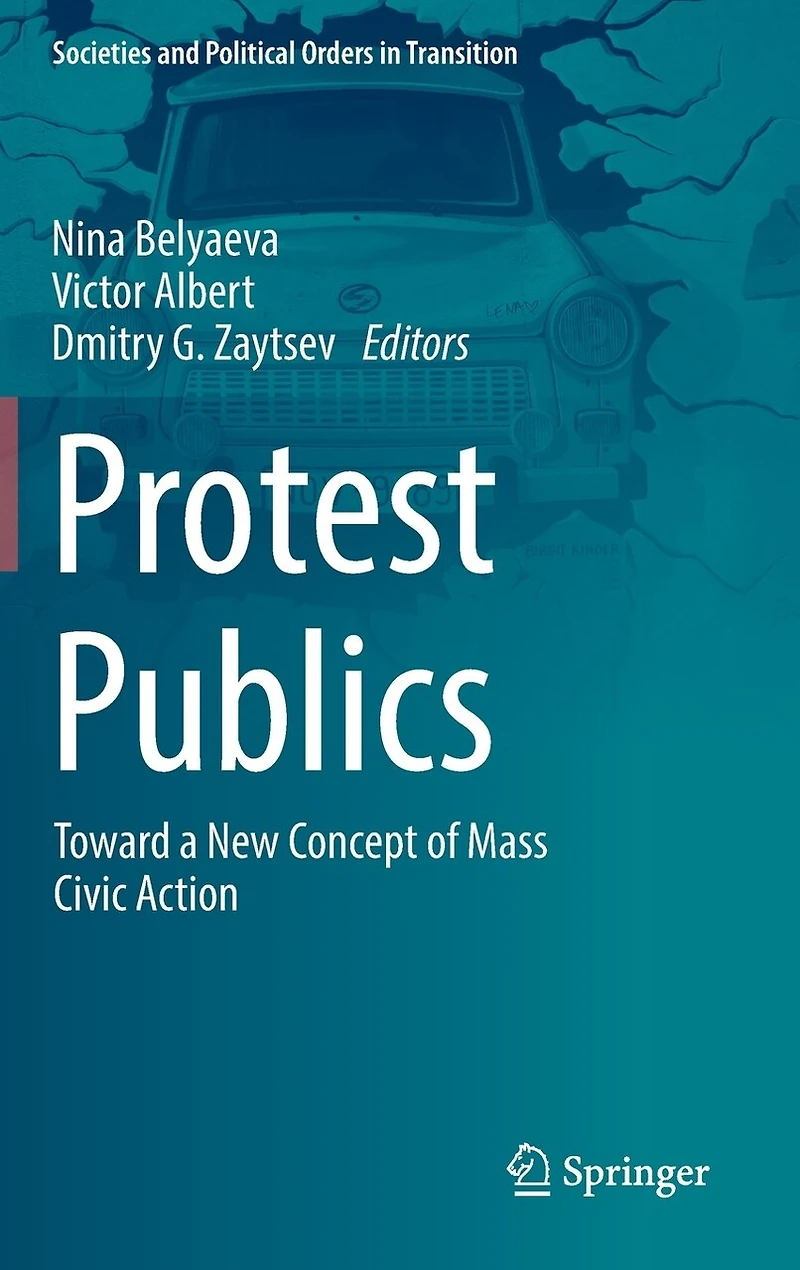

Protest Publics: Toward A New Concept Of Mass Civic Action in Ottawa, ON
Current price: $160.95

Protest Publics: Toward A New Concept Of Mass Civic Action in Ottawa, ON
Current price: $160.95
Loading Inventory...
Size: Hardcover
*Product information may vary - to confirm product availability, pricing, shipping and return information please contact Coles
This book examines the waves of protest that broke out in the 2010s as the collective actions of self-organized publics. Drawing on theories of publics/counter-publics and developing an analytical framework that allows the comparison of different country cases, this volume explores the transformation from spontaneous demonstrations, driven by civic outrage against injustice to more institutionalized forms of protest. Presenting comparative research and case studies on e.g. the Portuguese Generation in Trouble, the Arab Spring in Northern Africa, or Occupy Wall Street in the USA, the authors explore how protest publics emerge and evolve in very different ways - from creating many small citizen groups focused on particular projects to more articulated political agendas for both state and society. These protest publics have provoked and legitimized concrete socio-political changes, altering the balance of power in specific political spaces, and in some cases generating profound moments of instability that can lead both to revolutions and to peaceful transformations of political institutions. The authors argue that this recent wave of protests is driven by a new type of social actor: self-organized publics. In some cases these protest publics can lead to democratic reform and redistributive policies, while in others they can produce destabilization, ethnic and nationalist populism, and authoritarianism. This book will help readers to better understand how seemingly spontaneous public events and protests evolve into meaningful, well-structured collective action and come to shape political processes in diverse regions of the globe.
This book examines the waves of protest that broke out in the 2010s as the collective actions of self-organized publics. Drawing on theories of publics/counter-publics and developing an analytical framework that allows the comparison of different country cases, this volume explores the transformation from spontaneous demonstrations, driven by civic outrage against injustice to more institutionalized forms of protest. Presenting comparative research and case studies on e.g. the Portuguese Generation in Trouble, the Arab Spring in Northern Africa, or Occupy Wall Street in the USA, the authors explore how protest publics emerge and evolve in very different ways - from creating many small citizen groups focused on particular projects to more articulated political agendas for both state and society. These protest publics have provoked and legitimized concrete socio-political changes, altering the balance of power in specific political spaces, and in some cases generating profound moments of instability that can lead both to revolutions and to peaceful transformations of political institutions. The authors argue that this recent wave of protests is driven by a new type of social actor: self-organized publics. In some cases these protest publics can lead to democratic reform and redistributive policies, while in others they can produce destabilization, ethnic and nationalist populism, and authoritarianism. This book will help readers to better understand how seemingly spontaneous public events and protests evolve into meaningful, well-structured collective action and come to shape political processes in diverse regions of the globe.
You May Also Like















More About Coles at Bayshore Shopping Centre
Coles is renowned for its outstanding customer service and great selection of books. Along with the vast array of magazines, stationary, audio-books, children's literature, fiction, non-fiction and reference books, you can find accessories to make your reading experience more pleasurable. We can recommend the very best in reading today. We will help you search our titles for exactly what you need, and if we do not have it in stock, we will order it for you.
100 Bayshore Dr, Nepean, ON K2B 8C1, Canada
Find Coles at Bayshore Shopping Centre in Ottawa, ON
Visit Coles at Bayshore Shopping Centre in Ottawa, ON