

Give the Gift of Choice!
Too many options? Treat your friends and family to their favourite stores with a Bayshore Shopping Centre gift card, redeemable at participating retailers throughout the centre. Click below to purchase yours today!Purchase HereHome
Public Accountability and Health Care Governance: Public Management Reforms Between Austerity and Democracy
Coles
Loading Inventory...
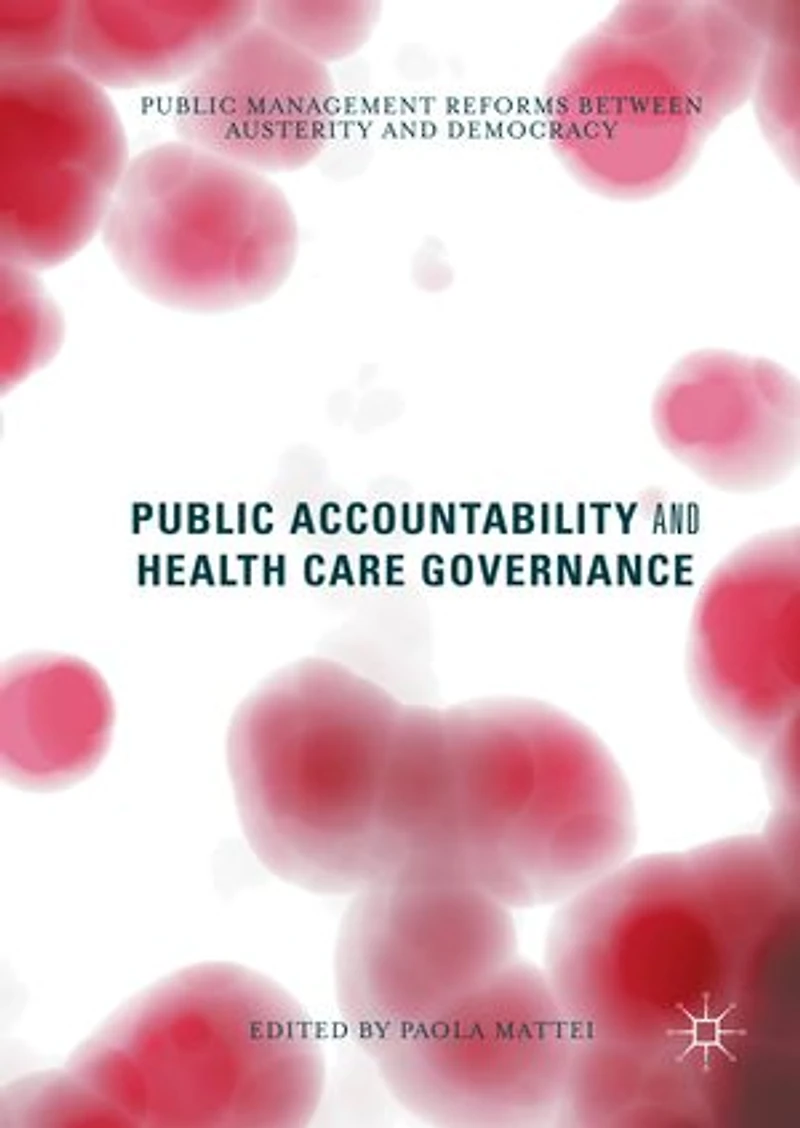
Public Accountability and Health Care Governance: Public Management Reforms Between Austerity and Democracy in Ottawa, ON
Current price: $116.09
Original price: $145.12

Public Accountability and Health Care Governance: Public Management Reforms Between Austerity and Democracy in Ottawa, ON
Current price: $116.09
Original price: $145.12
Loading Inventory...
Size: Kobo eBook
*Product information may vary - to confirm product availability, pricing, shipping and return information please contact Coles
This book deals with the critical empirical void created by the speed at which healthcare restructuring has taken place in Europe. Chapters explore the political uncertainty and budgetary pressures which have led governments increasingly to turn to New Public Management (NPM)-style reforms to attempt to balance the financial viability of public health structures, with democratic imperatives to maintain socially just outcomes. The authors of this volume consider how governments have therefore shifted identities from principal care providers to contractual monitors, setting targets increasingly directed toward third-party managers in quasi-markets and the private sector. Drawing upon extensive data from Germany, Norway, the Netherlands, and Israel, the contributions explore the often unexpected policy outputs and outcomes engendered by such reforms.
This book deals with the critical empirical void created by the speed at which healthcare restructuring has taken place in Europe. Chapters explore the political uncertainty and budgetary pressures which have led governments increasingly to turn to New Public Management (NPM)-style reforms to attempt to balance the financial viability of public health structures, with democratic imperatives to maintain socially just outcomes. The authors of this volume consider how governments have therefore shifted identities from principal care providers to contractual monitors, setting targets increasingly directed toward third-party managers in quasi-markets and the private sector. Drawing upon extensive data from Germany, Norway, the Netherlands, and Israel, the contributions explore the often unexpected policy outputs and outcomes engendered by such reforms.
You May Also Like















More About Coles at Bayshore Shopping Centre
Coles is renowned for its outstanding customer service and great selection of books. Along with the vast array of magazines, stationary, audio-books, children's literature, fiction, non-fiction and reference books, you can find accessories to make your reading experience more pleasurable. We can recommend the very best in reading today. We will help you search our titles for exactly what you need, and if we do not have it in stock, we will order it for you.
100 Bayshore Dr, Nepean, ON K2B 8C1, Canada
Find Coles at Bayshore Shopping Centre in Ottawa, ON
Visit Coles at Bayshore Shopping Centre in Ottawa, ON