

Give the Gift of Choice!
Too many options? Treat your friends and family to their favourite stores with a Bayshore Shopping Centre gift card, redeemable at participating retailers throughout the centre. Click below to purchase yours today!Purchase HereHome
Public Policy Transition Economies: An Institutional Perspective
Coles
Loading Inventory...
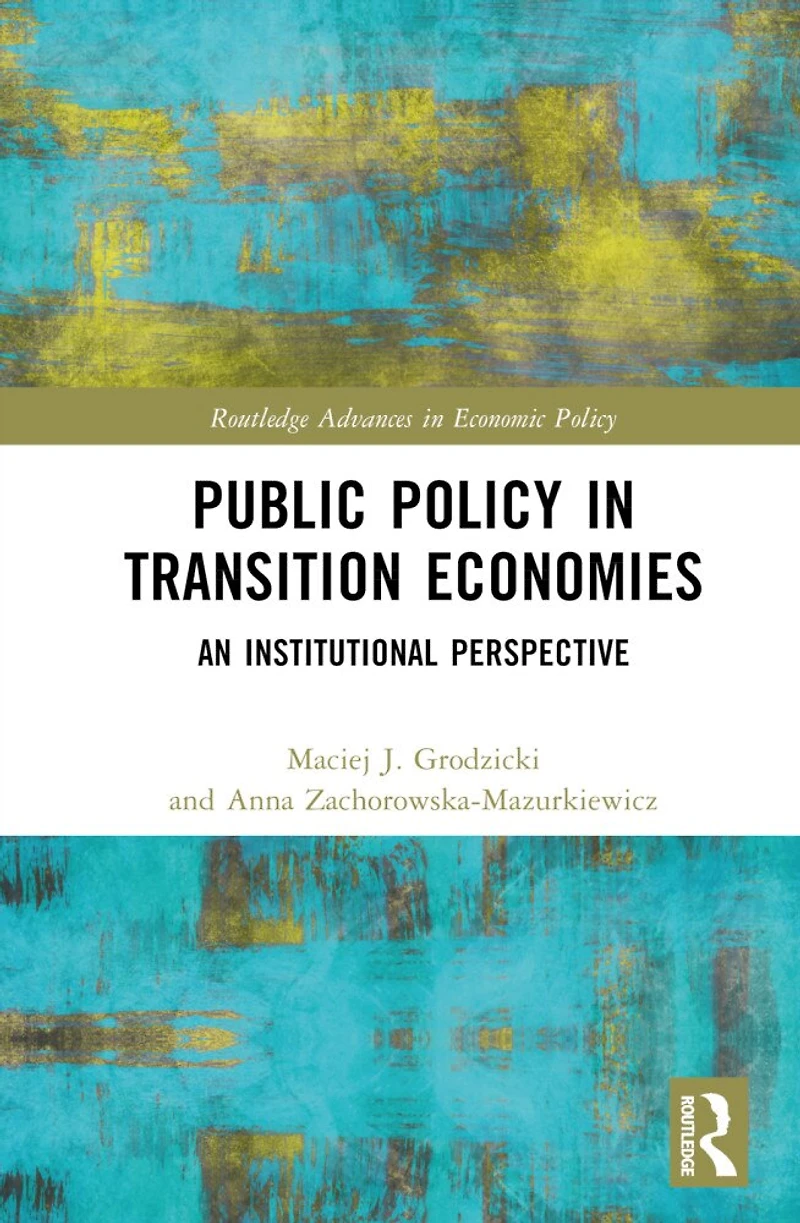
Public Policy Transition Economies: An Institutional Perspective in Ottawa, ON
Current price: $296.50

Public Policy Transition Economies: An Institutional Perspective in Ottawa, ON
Current price: $296.50
Loading Inventory...
Size: Hardcover
*Product information may vary - to confirm product availability, pricing, shipping and return information please contact Coles
Public policies are usually carefully designed to address a particular problem, but they are also shaped and influenced by the sociocultural heritage of a particular country. This volume explores the origins of economic and other public policies in Central and Eastern Europe. This region makes for a particularly interesting case because after going through a major system change - transitioning from a command economy into a market economy - many of the key policies were written anew. The contributors to this book look at key policy areas at the intersection of state and private sectors, including industrial, pension, energy, and competition policies. The chapters examine key questions such as: how did these policies evolve from the time of transition to their final form? What were the main drivers of policy conduct and factors influencing major policy choices? How does the historical context impact contemporary policy space? Throughout the volume, an institutional approach is adopted, according to which policies are perceived as the outcome of top-down design, filtered through social institutions inherited from the past. With this approach, this book presents a long-running assessment, over 30 years, of policymaking in transition economies, which were subject to profound changes throughout the period. This book will be of interest to readers in institutional economics, policy studies, transition economies, and the recent history of Eastern Europe.
Public policies are usually carefully designed to address a particular problem, but they are also shaped and influenced by the sociocultural heritage of a particular country. This volume explores the origins of economic and other public policies in Central and Eastern Europe. This region makes for a particularly interesting case because after going through a major system change - transitioning from a command economy into a market economy - many of the key policies were written anew. The contributors to this book look at key policy areas at the intersection of state and private sectors, including industrial, pension, energy, and competition policies. The chapters examine key questions such as: how did these policies evolve from the time of transition to their final form? What were the main drivers of policy conduct and factors influencing major policy choices? How does the historical context impact contemporary policy space? Throughout the volume, an institutional approach is adopted, according to which policies are perceived as the outcome of top-down design, filtered through social institutions inherited from the past. With this approach, this book presents a long-running assessment, over 30 years, of policymaking in transition economies, which were subject to profound changes throughout the period. This book will be of interest to readers in institutional economics, policy studies, transition economies, and the recent history of Eastern Europe.
You May Also Like












More About Coles at Bayshore Shopping Centre
Coles is renowned for its outstanding customer service and great selection of books. Along with the vast array of magazines, stationary, audio-books, children's literature, fiction, non-fiction and reference books, you can find accessories to make your reading experience more pleasurable. We can recommend the very best in reading today. We will help you search our titles for exactly what you need, and if we do not have it in stock, we will order it for you.
100 Bayshore Dr, Nepean, ON K2B 8C1, Canada
Find Coles at Bayshore Shopping Centre in Ottawa, ON
Visit Coles at Bayshore Shopping Centre in Ottawa, ON