

Give the Gift of Choice!
Too many options? Treat your friends and family to their favourite stores with a Bayshore Shopping Centre gift card, redeemable at participating retailers throughout the centre. Click below to purchase yours today!Purchase HereHome
Puer Natus In Bethlehem (Ein Kind geborn zu Bethlehem): for Brass Choir (2 brass quartets & brass quintet)
Coles
Loading Inventory...
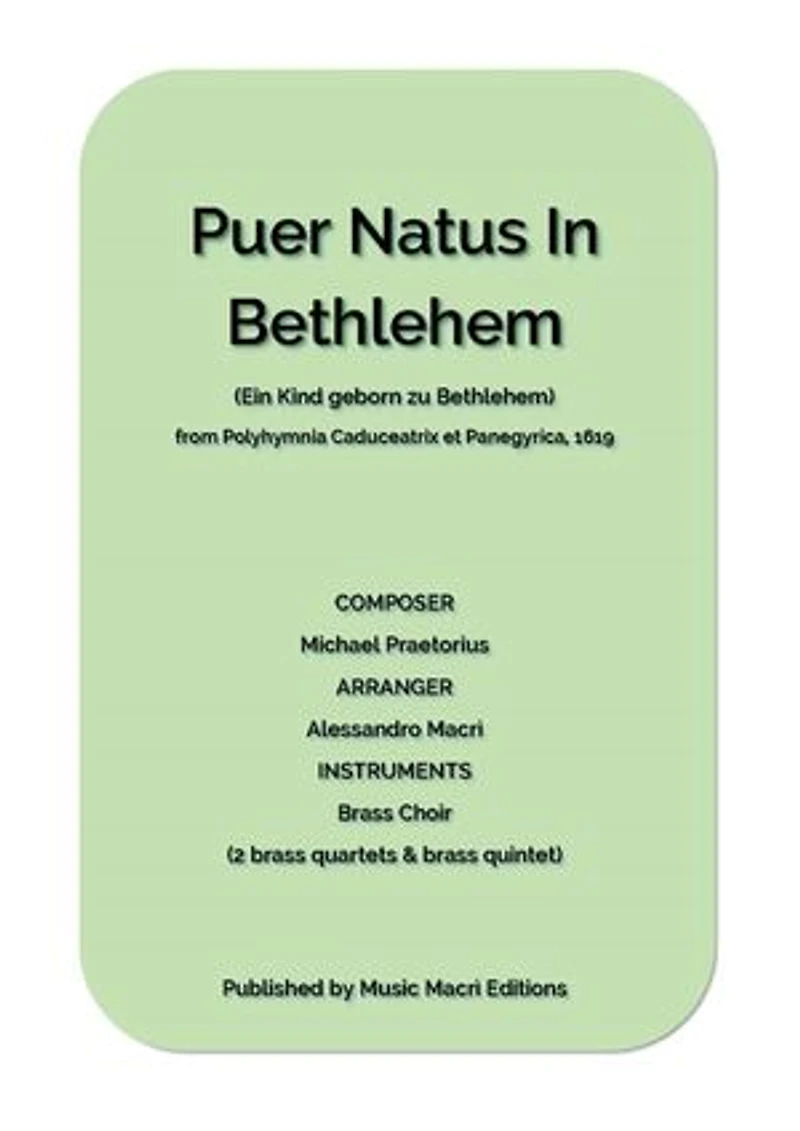
Puer Natus In Bethlehem (Ein Kind geborn zu Bethlehem): for Brass Choir (2 brass quartets & brass quintet) in Ottawa, ON
Current price: $14.99

Puer Natus In Bethlehem (Ein Kind geborn zu Bethlehem): for Brass Choir (2 brass quartets & brass quintet) in Ottawa, ON
Current price: $14.99
Loading Inventory...
Size: Kobo eBook
*Product information may vary - to confirm product availability, pricing, shipping and return information please contact Coles
Puer Natus In Bethlehem (Ein Kind geborn zu Bethlehem)
from Polyhymnia Caduceatrix et Panegyrica, 1619
for Brass Choir (2 brass quartets & brass quintet).
Within a relatively short publishing career, from 1605 to his death in 1621, Praetorius disseminated through print an astonishingly rich array of music for Lutheran liturgical use, focusing particularly on settings of traditional melodies (especially chorales). Writing for double choir predominates in the early volumes of his monumental series Musæ Sioniæ, which includes (in the second volume, 1607) the settings of In dulci jubilo and Puer natus in Bethlehem. Both represent the prominence of macaronic texts—mixing elements in Latin and the vernacular—in the Christmas repertory of the middle ages and beyond, and more generally the juxtaposition of Latin and German which was quite common practice in Lutheran churches. In Puer natus in Bethlehem the first verse of the medieval Latin hymn is then repeated in German translation (‘Ein Kind geborn zu Bethlehem’), whereafter the Christmas scene is presented in German, with a return to a mixture of Latin and German stanzas for the concluding offering of praise. This particular German translation of the Latin hymn, and the associated melody, date from the mid sixteenth century. In this lengthy work Praetorius keeps the listeners’ attention partly through the varied and witty manner in which he treats the ‘alleluia’ which ends every verse, and also through switches between triple and duple metre.
Puer Natus In Bethlehem (Ein Kind geborn zu Bethlehem)
from Polyhymnia Caduceatrix et Panegyrica, 1619
for Brass Choir (2 brass quartets & brass quintet).
Within a relatively short publishing career, from 1605 to his death in 1621, Praetorius disseminated through print an astonishingly rich array of music for Lutheran liturgical use, focusing particularly on settings of traditional melodies (especially chorales). Writing for double choir predominates in the early volumes of his monumental series Musæ Sioniæ, which includes (in the second volume, 1607) the settings of In dulci jubilo and Puer natus in Bethlehem. Both represent the prominence of macaronic texts—mixing elements in Latin and the vernacular—in the Christmas repertory of the middle ages and beyond, and more generally the juxtaposition of Latin and German which was quite common practice in Lutheran churches. In Puer natus in Bethlehem the first verse of the medieval Latin hymn is then repeated in German translation (‘Ein Kind geborn zu Bethlehem’), whereafter the Christmas scene is presented in German, with a return to a mixture of Latin and German stanzas for the concluding offering of praise. This particular German translation of the Latin hymn, and the associated melody, date from the mid sixteenth century. In this lengthy work Praetorius keeps the listeners’ attention partly through the varied and witty manner in which he treats the ‘alleluia’ which ends every verse, and also through switches between triple and duple metre.
You May Also Like










More About Coles at Bayshore Shopping Centre
Coles is renowned for its outstanding customer service and great selection of books. Along with the vast array of magazines, stationary, audio-books, children's literature, fiction, non-fiction and reference books, you can find accessories to make your reading experience more pleasurable. We can recommend the very best in reading today. We will help you search our titles for exactly what you need, and if we do not have it in stock, we will order it for you.
100 Bayshore Dr, Nepean, ON K2B 8C1, Canada
Find Coles at Bayshore Shopping Centre in Ottawa, ON
Visit Coles at Bayshore Shopping Centre in Ottawa, ON