

Give the Gift of Choice!
Too many options? Treat your friends and family to their favourite stores with a Bayshore Shopping Centre gift card, redeemable at participating retailers throughout the centre. Click below to purchase yours today!Purchase HereHome
Putinomics: Power and Money Resurgent Russia
Coles
Loading Inventory...
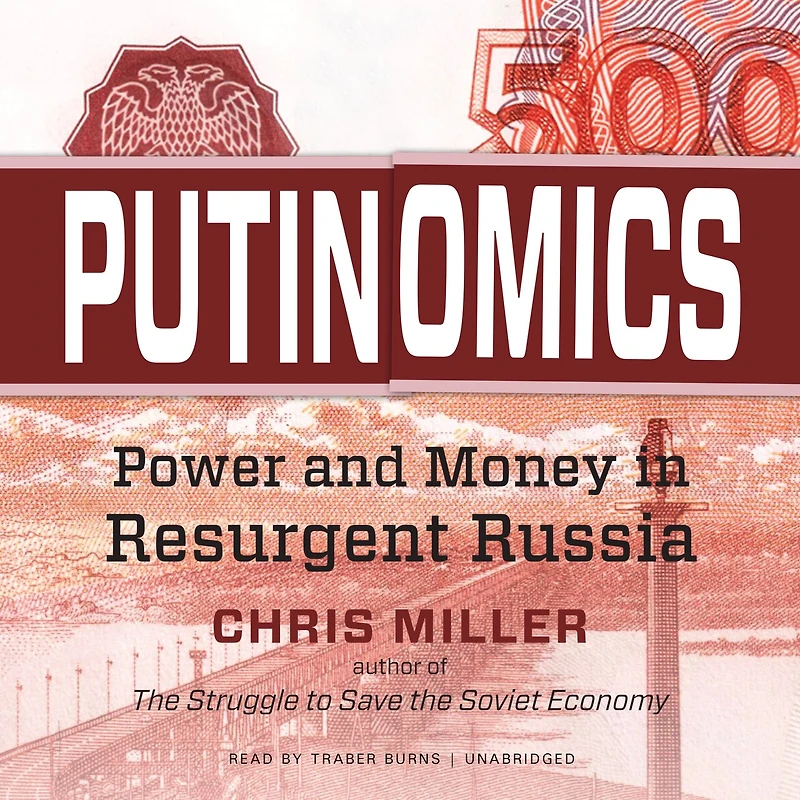
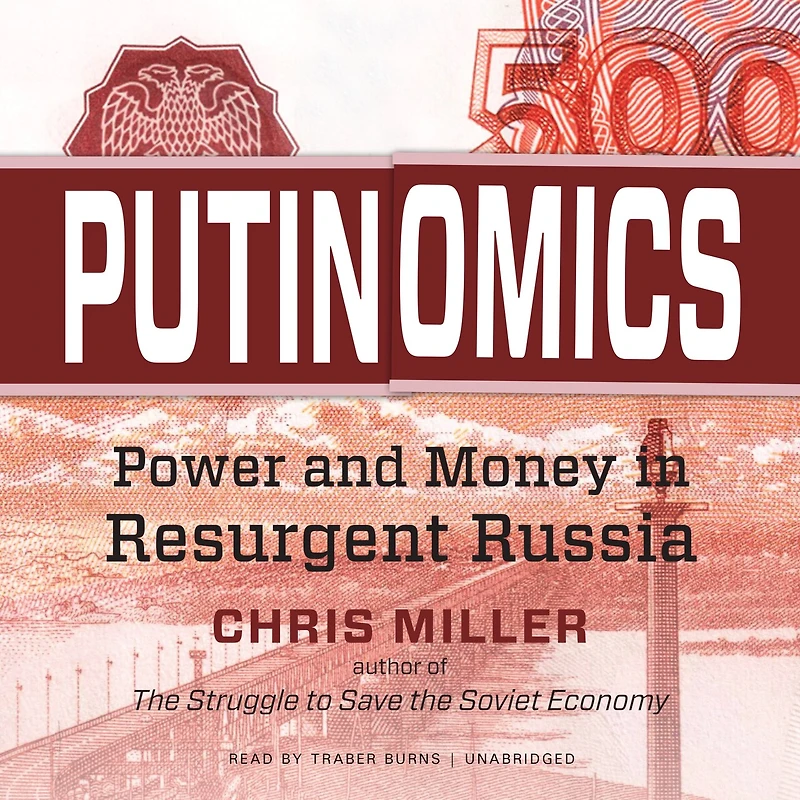
Putinomics: Power and Money Resurgent Russia in Ottawa, ON
Current price: $51.95

Putinomics: Power and Money Resurgent Russia in Ottawa, ON
Current price: $51.95
Loading Inventory...
Size: Audiobook (2018 A)
*Product information may vary - to confirm product availability, pricing, shipping and return information please contact Coles
When Vladimir Putin first took power in 1999, he was a little-known figure ruling a country that was reeling from a decade and a half of crisis. In the years since, he has reestablished Russia as a great power. How did he do it? What principles have guided Putin’s economic policies? What patterns can be discerned? In this new analysis of Putin’s Russia, Chris Miller examines its economic policy and the tools Russia’s elite have used to achieve its goals. Miller argues that despite Russia’s corruption, cronyism, and overdependence on oil as an economic driver, Putin’s economic strategy has been surprisingly successful. Explaining the economic policies that underwrote Putin’s two-decades-long rule, Miller shows how, at every juncture, Putinomics has served Putin’s needs by guaranteeing economic stability and supporting his accumulation of power. Even in the face of Western financial sanctions and low oil prices, Putin has never been more relevant on the world stage.
When Vladimir Putin first took power in 1999, he was a little-known figure ruling a country that was reeling from a decade and a half of crisis. In the years since, he has reestablished Russia as a great power. How did he do it? What principles have guided Putin’s economic policies? What patterns can be discerned? In this new analysis of Putin’s Russia, Chris Miller examines its economic policy and the tools Russia’s elite have used to achieve its goals. Miller argues that despite Russia’s corruption, cronyism, and overdependence on oil as an economic driver, Putin’s economic strategy has been surprisingly successful. Explaining the economic policies that underwrote Putin’s two-decades-long rule, Miller shows how, at every juncture, Putinomics has served Putin’s needs by guaranteeing economic stability and supporting his accumulation of power. Even in the face of Western financial sanctions and low oil prices, Putin has never been more relevant on the world stage.
You May Also Like








More About Coles at Bayshore Shopping Centre
Coles is renowned for its outstanding customer service and great selection of books. Along with the vast array of magazines, stationary, audio-books, children's literature, fiction, non-fiction and reference books, you can find accessories to make your reading experience more pleasurable. We can recommend the very best in reading today. We will help you search our titles for exactly what you need, and if we do not have it in stock, we will order it for you.
100 Bayshore Dr, Nepean, ON K2B 8C1, Canada
Find Coles at Bayshore Shopping Centre in Ottawa, ON
Visit Coles at Bayshore Shopping Centre in Ottawa, ON