

Give the Gift of Choice!
Too many options? Treat your friends and family to their favourite stores with a Bayshore Shopping Centre gift card, redeemable at participating retailers throughout the centre. Click below to purchase yours today!Purchase HereHome
Queen's Court: Judicial Power the Rehnquist Era
Coles
Loading Inventory...
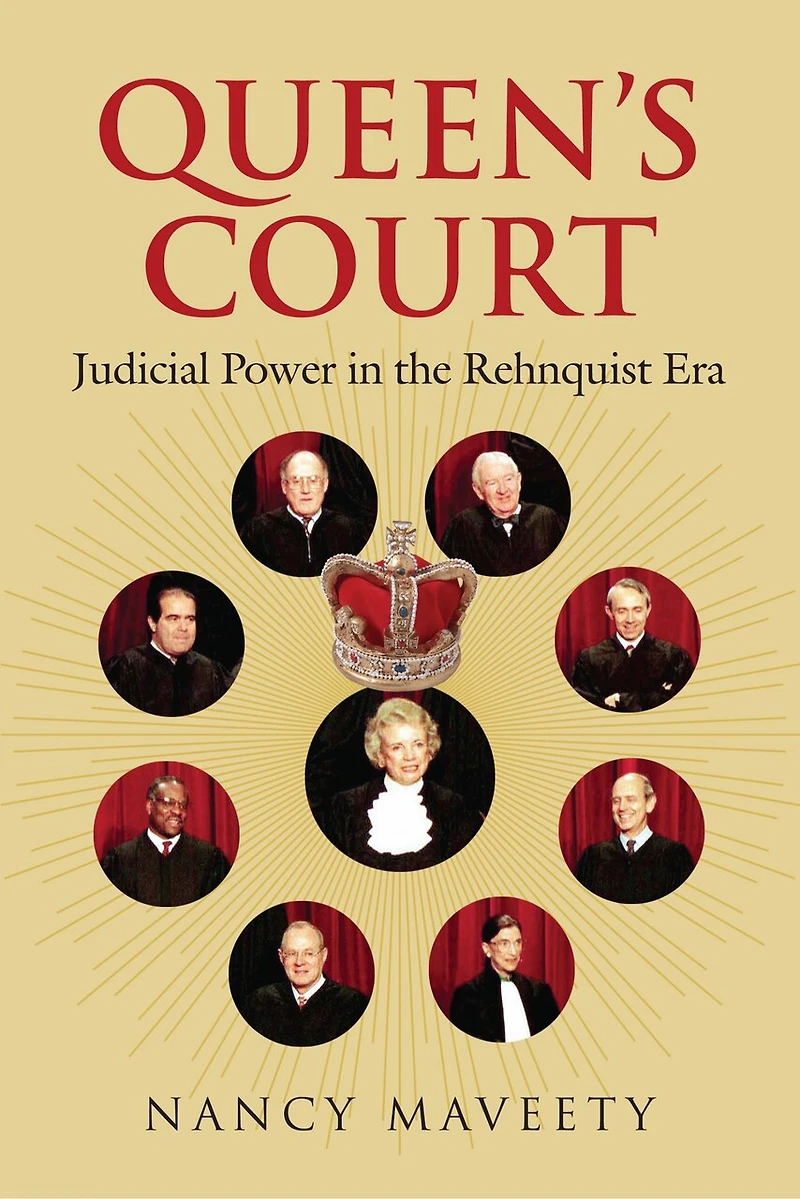
Queen's Court: Judicial Power the Rehnquist Era in Ottawa, ON
Current price: $74.95

Queen's Court: Judicial Power the Rehnquist Era in Ottawa, ON
Current price: $74.95
Loading Inventory...
Size: Hardcover
*Product information may vary - to confirm product availability, pricing, shipping and return information please contact Coles
As frequent swing vote and centrist voice, Justice Sandra Day O'Connor helped shape many of the Supreme Court's landmark decisions and opinions under the leadership of William Rehnquist. Indeed, many argue that her overall impact and influence was greater than that of the Chief Justice himself.
Nancy Maveety now takes a closer look at what might justifiably be known as the O'Connor Court, in which the voices of individual justices came to the fore. She describes how policy leadership was subdivided among these eminent jurists in a way that fostered an individualist conception of judicial power. And she explains how this distribution of power contributed to a proliferation of concurring opinions—and, in polarizing issues like Planned Parenthood v. Casey or the Michigan affirmative action cases, decisions that sidestepped precedent-setting principles.
Maveety's book is the first to look beyond the conventional wisdom that O'Connor's centrism gave her de facto control over a court notorious for its disunity, providing instead a more precise and systematic analysis of her influence. Maveety seeks not only to assign a definitive meaning to "the Rehnquist Court" but also to identify its historical importance for the constitutional order and the conception of judicial power within it—situating O'Connor squarely at its center.
Maveety describes the attributes that distinguish this Court from its predecessors and suggests how O'Connor's five years on the Burger Court foreshadowed her emergence as an accommodationist. Then, as the Court became more polarized under Rehnquist, there evolved the individualized behavior and rule-of-thumb jurisprudence that came to characterize O'Connor's decision making. What resulted were carefully circumscribed decisions like Bush v. Gore or Hamdi v. Rumsfeld that provide fewer precedents for lower courts.
Queen's Court ultimately reveals that the importance of the Rehnquist years extends from the substance of constitutional law to the institutional operation of Court decision-making—and that O'Connor was vital to those changes.
As frequent swing vote and centrist voice, Justice Sandra Day O'Connor helped shape many of the Supreme Court's landmark decisions and opinions under the leadership of William Rehnquist. Indeed, many argue that her overall impact and influence was greater than that of the Chief Justice himself.
Nancy Maveety now takes a closer look at what might justifiably be known as the O'Connor Court, in which the voices of individual justices came to the fore. She describes how policy leadership was subdivided among these eminent jurists in a way that fostered an individualist conception of judicial power. And she explains how this distribution of power contributed to a proliferation of concurring opinions—and, in polarizing issues like Planned Parenthood v. Casey or the Michigan affirmative action cases, decisions that sidestepped precedent-setting principles.
Maveety's book is the first to look beyond the conventional wisdom that O'Connor's centrism gave her de facto control over a court notorious for its disunity, providing instead a more precise and systematic analysis of her influence. Maveety seeks not only to assign a definitive meaning to "the Rehnquist Court" but also to identify its historical importance for the constitutional order and the conception of judicial power within it—situating O'Connor squarely at its center.
Maveety describes the attributes that distinguish this Court from its predecessors and suggests how O'Connor's five years on the Burger Court foreshadowed her emergence as an accommodationist. Then, as the Court became more polarized under Rehnquist, there evolved the individualized behavior and rule-of-thumb jurisprudence that came to characterize O'Connor's decision making. What resulted were carefully circumscribed decisions like Bush v. Gore or Hamdi v. Rumsfeld that provide fewer precedents for lower courts.
Queen's Court ultimately reveals that the importance of the Rehnquist years extends from the substance of constitutional law to the institutional operation of Court decision-making—and that O'Connor was vital to those changes.
You May Also Like

















More About Coles at Bayshore Shopping Centre
Coles is renowned for its outstanding customer service and great selection of books. Along with the vast array of magazines, stationary, audio-books, children's literature, fiction, non-fiction and reference books, you can find accessories to make your reading experience more pleasurable. We can recommend the very best in reading today. We will help you search our titles for exactly what you need, and if we do not have it in stock, we will order it for you.
100 Bayshore Dr, Nepean, ON K2B 8C1, Canada
Find Coles at Bayshore Shopping Centre in Ottawa, ON
Visit Coles at Bayshore Shopping Centre in Ottawa, ON