

Give the Gift of Choice!
Too many options? Treat your friends and family to their favourite stores with a Bayshore Shopping Centre gift card, redeemable at participating retailers throughout the centre. Click below to purchase yours today!Purchase HereHome
Quest for the High Ground: The Development of Sead Strategy
Coles
Loading Inventory...
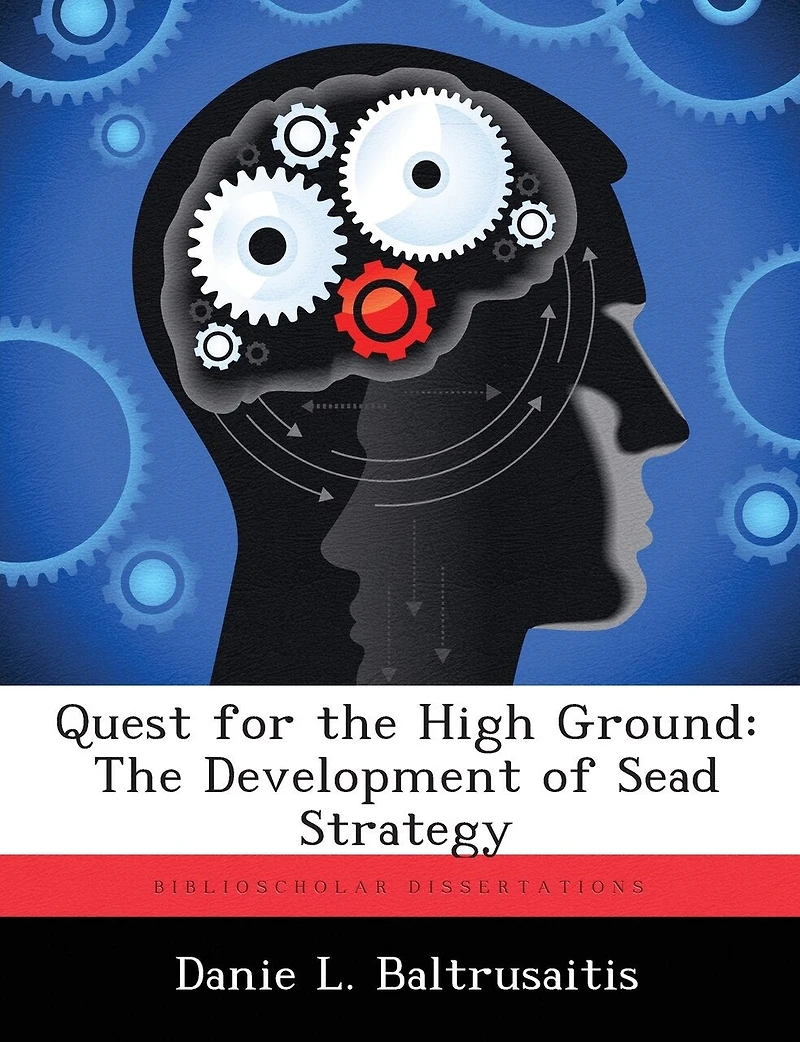
Quest for the High Ground: The Development of Sead Strategy in Ottawa, ON
Current price: $59.00

Quest for the High Ground: The Development of Sead Strategy in Ottawa, ON
Current price: $59.00
Loading Inventory...
Size: Paperback
*Product information may vary - to confirm product availability, pricing, shipping and return information please contact Coles
The danger of surface-to-air defenses grows as the nature of US conflicts continues to change. Ground based defenses promise attrition while forcing air forces into standoff range. Furthermore, ground-based defenses cost less and require less training than airborne systems; definite advantages for third world adversaries. Coalition performance in the Gulf War showed future adversaries that they would suffer tremendously by trying to match symmetrically US airpower capability. US strategists should expect enemy systems in the future aimed at causality sensitivity in situations where US vital interests are not at stake. These issues illuminate the need to make defense suppression a planning priority to ensure air superiority. Although air superiority relies on defeating both the air-to-air and surface-to-air defense, this study examines only one element in the quest for air superiority -- the suppression of enemy air defenses (SEAD). This study determines how SEAD operational objectives change with the nature and maturity of an air campaign and categorize SEAD objectives and strategy.
The danger of surface-to-air defenses grows as the nature of US conflicts continues to change. Ground based defenses promise attrition while forcing air forces into standoff range. Furthermore, ground-based defenses cost less and require less training than airborne systems; definite advantages for third world adversaries. Coalition performance in the Gulf War showed future adversaries that they would suffer tremendously by trying to match symmetrically US airpower capability. US strategists should expect enemy systems in the future aimed at causality sensitivity in situations where US vital interests are not at stake. These issues illuminate the need to make defense suppression a planning priority to ensure air superiority. Although air superiority relies on defeating both the air-to-air and surface-to-air defense, this study examines only one element in the quest for air superiority -- the suppression of enemy air defenses (SEAD). This study determines how SEAD operational objectives change with the nature and maturity of an air campaign and categorize SEAD objectives and strategy.
You May Also Like








More About Coles at Bayshore Shopping Centre
Coles is renowned for its outstanding customer service and great selection of books. Along with the vast array of magazines, stationary, audio-books, children's literature, fiction, non-fiction and reference books, you can find accessories to make your reading experience more pleasurable. We can recommend the very best in reading today. We will help you search our titles for exactly what you need, and if we do not have it in stock, we will order it for you.
100 Bayshore Dr, Nepean, ON K2B 8C1, Canada
Find Coles at Bayshore Shopping Centre in Ottawa, ON
Visit Coles at Bayshore Shopping Centre in Ottawa, ON